


Researchers identify egoviruses, a new group of giant DNA viruses in digestive systems
Scientists identified egoviruses, a previously unknown group of giant DNA viruses, in human and animal digestive systems; comparisons point to single-celled microbes as likely hosts.
How this story was made
This story was written with AI assistance from Nature’s source documents. Its figures and quotations were checked against their sources, and Digitalage Desk reviewed and approved it before publication. It is published under the name of Peter Michaels, Editor.
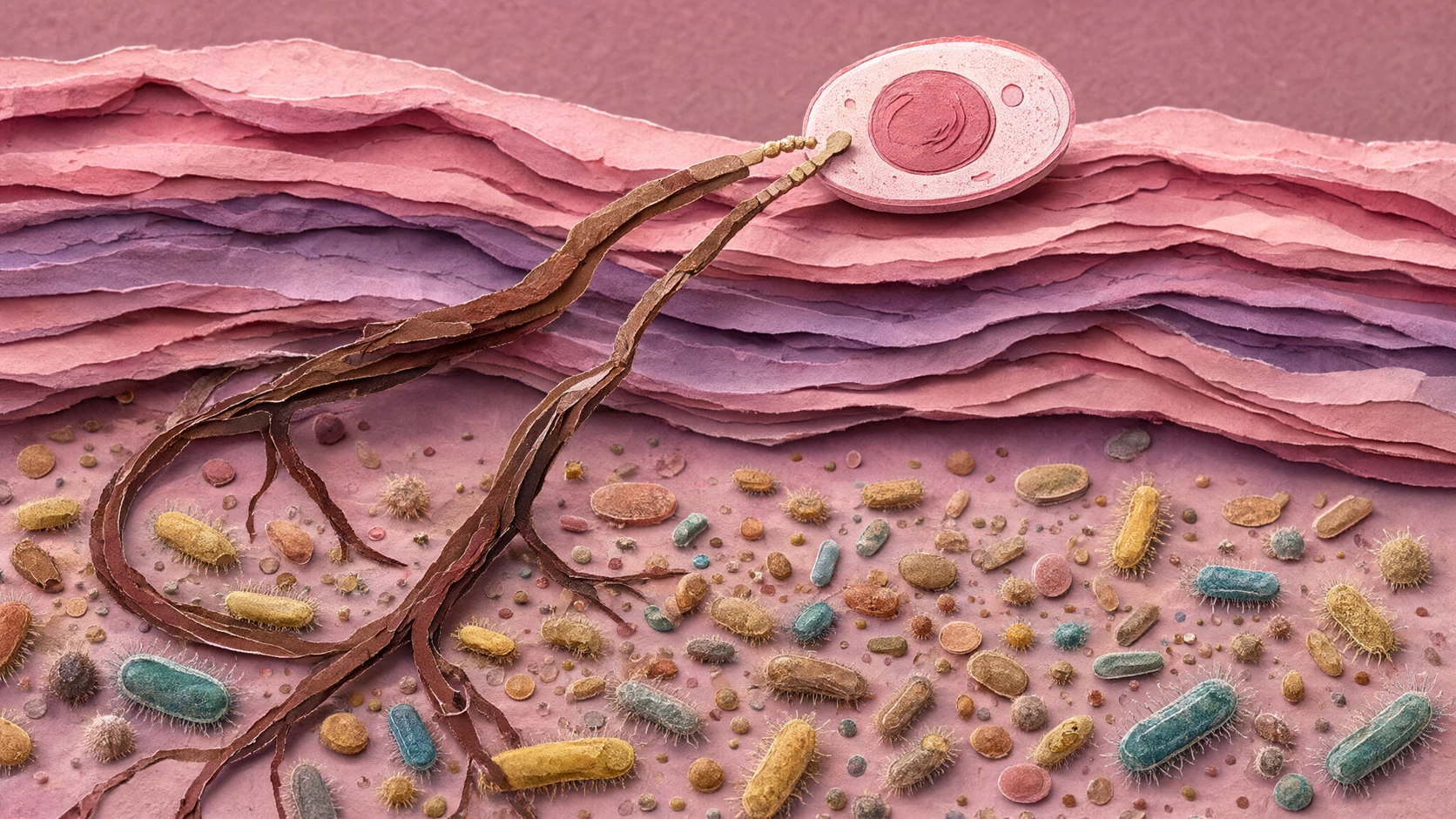
Scientists have identified a previously unknown group of giant DNA viruses in human and animal digestive systems, offering clues to the gut microbiome and the evolutionary origins of poxviruses.
The discovery, published in Nature on November 18, comes from genetic data. Researchers call the viruses egoviruses and propose that they form a new viral order, Egovirales.
A discovery made from DNA
The team searched 85,123 metagenomic assemblies, collections of genetic sequences reconstructed from mixed samples. It identified egovirus markers in 864 assemblies and characterized 12 complete, distinct genomes from samples associated with humans, buffalo, goats, chickens, deer and pigs.
Finding those sequences reveals that the viruses are present in the sampled environments. Identifying the cells they infect is a separate question. Comparisons of viral genes with other organisms’ genes point to single-celled microbes in digestive systems as likely hosts, an inference that still needs experimental testing.
Clues to an evolutionary transition
In an explanation from the French research agency CEA, the researchers describe egoviruses as the closest known relatives of poxviruses, the family that includes the viruses responsible for smallpox and mpox. That relationship concerns evolutionary ancestry; it does not show that the newly identified viruses cause either illness.
Primary sourceNature: “Closest relatives of poxviruses prevail in human and animal guts worldwide”Study leader Tom Delmont, a CNRS researcher, said in the CEA account that none of the egoviruses had yet been seen under a microscope or grown in a laboratory. Their possible effects on human and animal health remain unknown.
Further laboratory studies will need to establish their specific hosts and biological behavior. The current findings do not identify a new human disease.
End of story