


NASA puts up to $171 million behind 302 small-business space projects
The latest SBIR and STTR selections range from lunar-night batteries to robotic arms and reusable landing pads, with different tests ahead for early and later-stage teams.
How this story was made
This story was written with AI assistance from nasa.gov’s source documents. Its figures and quotations were checked against their sources, and Digitalage Desk reviewed and approved it before publication. It is published under the name of Peter Michaels, Editor.
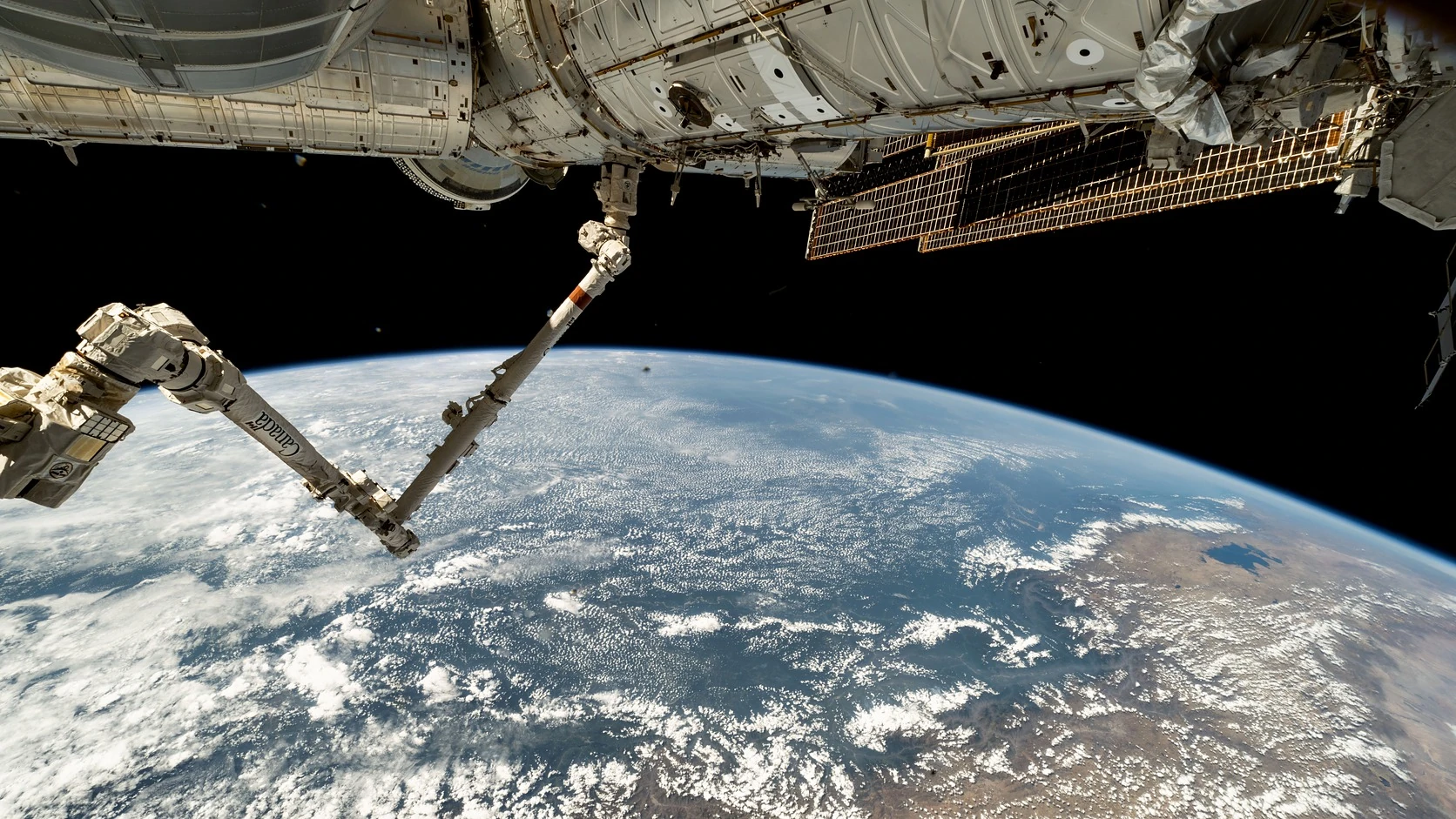
**WASHINGTON, November 22, 2026** - NASA has selected 302 small-business research projects for up to $171 million in seed funding, backing technologies that could help future Moon and Mars missions operate where ordinary equipment struggles. The November 20 announcement highlights batteries for extreme cold, robotic arms that can sense contact, deployable solar power and ways to prepare landing pads from lunar soil.
Primary sourcenasa.gov: “New NASA Seed Funding Primes Small Businesses for Innovation”According to NASA’s award announcement, new Phase I contracts can receive up to $225,000 apiece to establish feasibility. The agency also selected 98 Phase II contracts, valued at up to $1.3 million each, to continue work from 2025 Phase I projects.
Four technologies to watch
One Phase II project from Opterus Research and Development is pursuing rollable solar arrays that could be deployed robotically and potentially scaled to 50 kilowatts. The goal is to provide power for surface infrastructure, including operations in dusty conditions.
Intelligent Fiber Optic Systems is developing a ten-foot robotic arm that combines cameras with touch sensing. The arm is intended to help rovers inspect or manipulate equipment without relying on a human operator for every movement.
Elementium Materials is working on a battery module designed to operate down to minus 76 degrees Fahrenheit without active heating. That could reduce the mass devoted to warming and insulating batteries during the roughly 14-day lunar night. The announced capability is a development target, not proof of flight qualification.
Slate Geotechnical Consultants and the Colorado School of Mines will investigate how to prepare and repair lunar landing pads. Repeated rocket exhaust can disturb loose surface material, so landing-pad durability is a real infrastructure challenge rather than a cosmetic construction problem.
What the $171 million figure means
NASA describes the total as **up to** $171 million. The Phase I and Phase II ceilings are maximum contract values, not proof that every recipient has received its full possible amount. Nor does an award guarantee that NASA will buy or fly the resulting hardware.
The agency’s SBIR and STTR programs are designed to move promising technologies toward commercialization and possible mission use. Their success should ultimately be judged by prototypes, performance tests, subsequent contracts and actual deployment, not just the number of selections announced.
End of story