


Fractile raises $720 million as its first commercial AI chip remains ahead
The British startup is building hardware for running AI models, with public investors joining the round and a commercial chip planned for 2027.
How this story was made
This story was written with AI assistance from Wilson Sonsini’s own announcement. Its figures and quotations were checked against their sources, and Digitalage Desk reviewed and approved it before publication. It is published under the name of Peter Michaels, Editor.
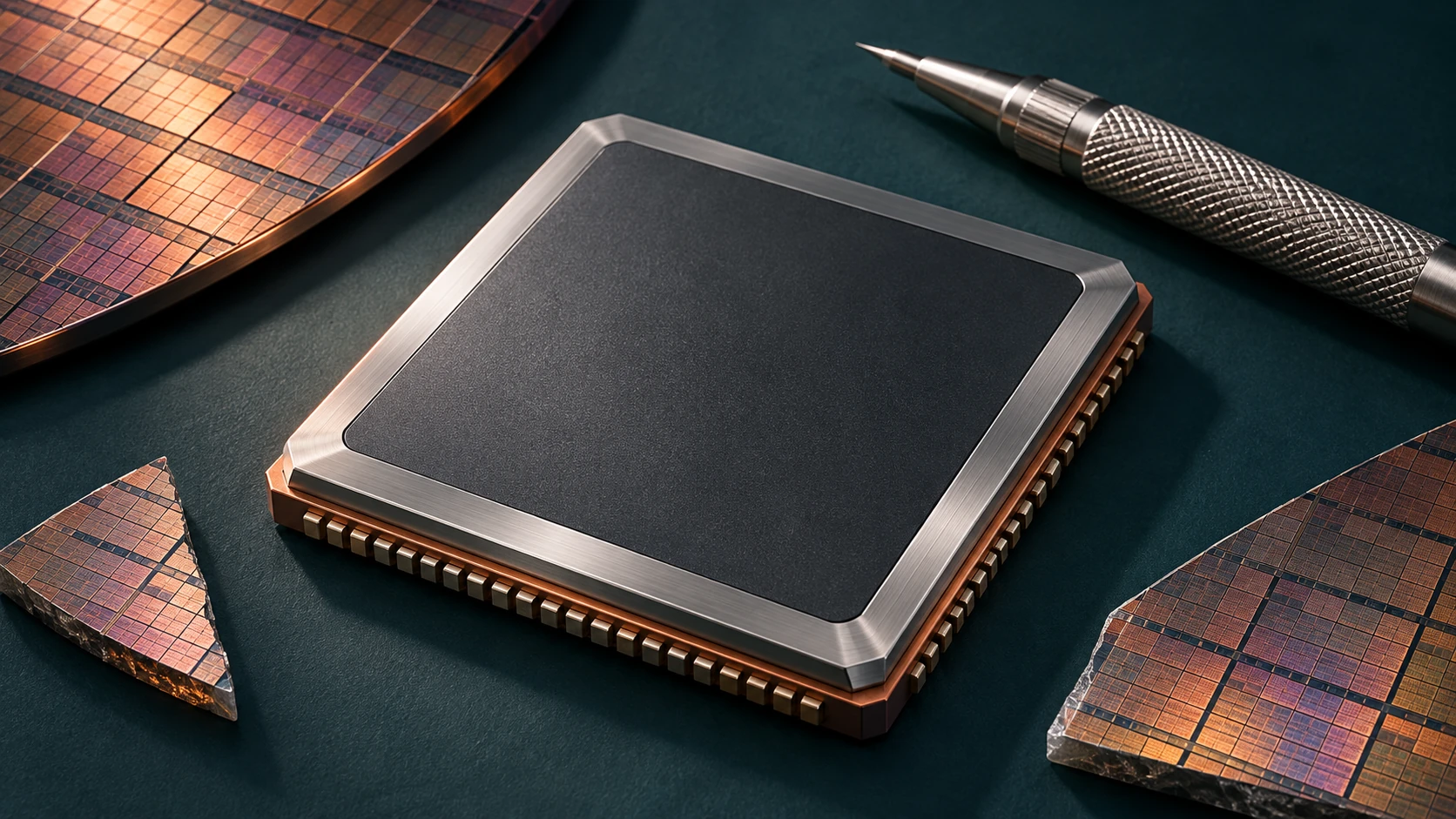
British chip startup Fractile has raised $720 million to move its AI hardware toward production, securing a large financing round before its first planned commercial chip reaches customers. The company is developing processors and complete systems for running AI models.
Law firm Wilson Sonsini says the Series C, announced November 11, was led by Thrive Capital, Founders Fund, Lightspeed Venture Partners and Redpoint Ventures. The law firm, which advised Fractile, says the funding will support bringing its chips and systems into production.
The British government’s announcement identifies Sovereign AI and the British Business Bank as investors in the London- and Bristol-based company. It describes a round exceeding £500 million, but does not disclose the government’s contribution, citing commercial sensitivity. The round’s total should not be read as the amount of public money invested.
Fractile’s target is inference: the work an AI system performs when it responds to a request. In a technical manifesto, founder Walter Goodwin argues that moving information between memory and processors can restrict how quickly increasingly demanding models produce answers.
Why it matters
Primary sourceWilson Sonsini: “Wilson Sonsini Advises Fractile on $720 Million Series C”Wilson Sonsini: “Wilson Sonsini Advises Fractile on $720 Million Series C”
Lightspeed’s investment explanation describes stacked memory placed directly above logic chips and a system designed around inference workloads. Lightspeed is an investor, so its assessment is part of the company’s financing case. The design description establishes the intended approach, not independently measured performance in customers’ data centers.
Reuters reported on November 11 that Fractile plans to release its first commercial chip in 2027. That schedule places the next test beyond fundraising: turning the design into hardware customers can obtain and evaluate.
The commercial release remains a plan. For prospective buyers, the useful evidence will come when a shipping system can be assessed on the workloads they actually need to run.
End of story