


NASA offers $500,000 challenge to accelerate electric rocket engines
Two US companies could receive up to $250,000 each to build and test mid-power Hall thrusters, with NASA facilities and technology access part of the prize.
How this story was made
This story was written with AI assistance from nasa.gov’s source documents. Its figures and quotations were checked against their sources, and Digitalage Desk reviewed and approved it before publication. It is published under the name of Peter Michaels, Editor.
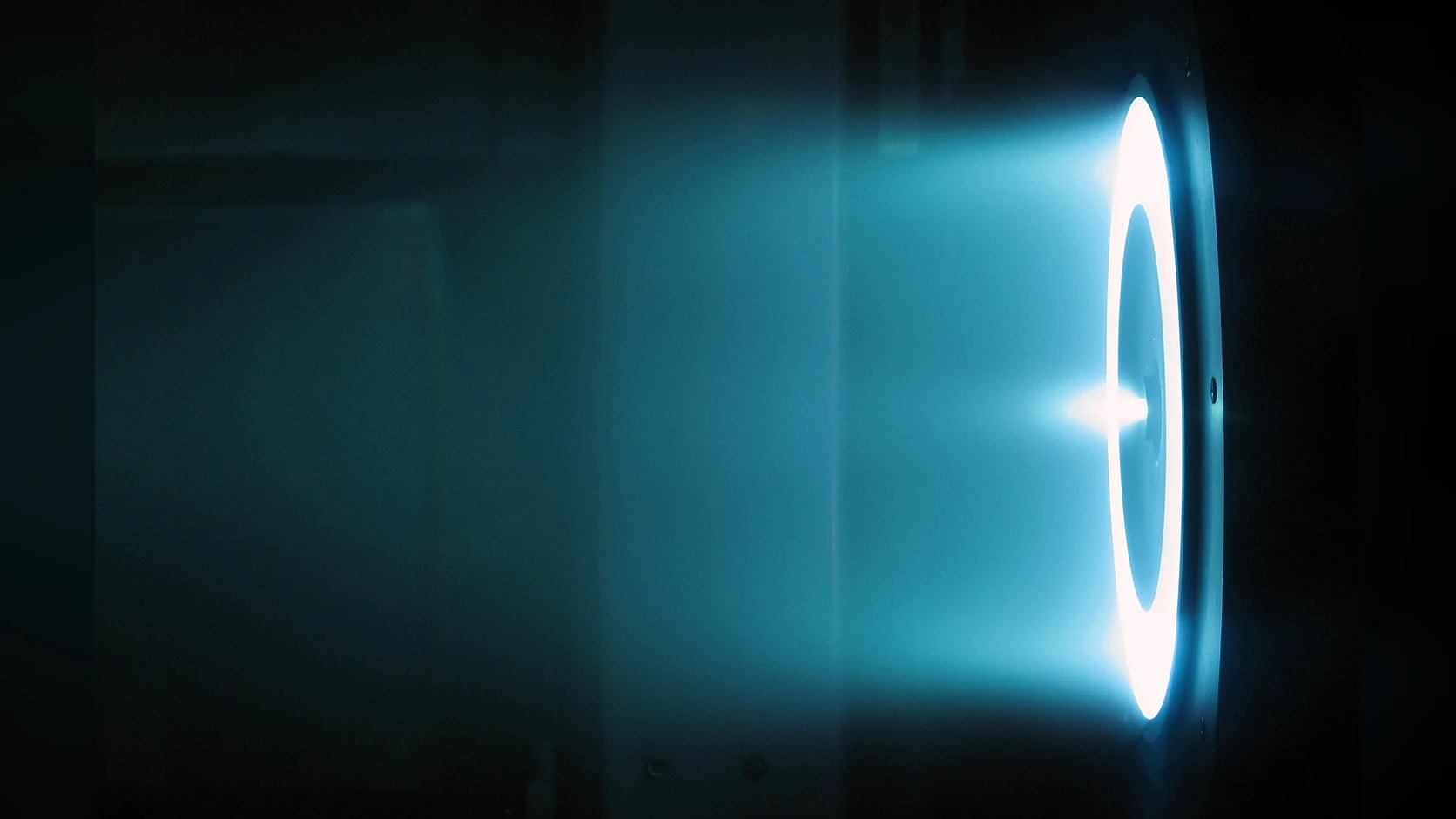
**CLEVELAND, November 22, 2026** - NASA is inviting US companies to compete to develop mid-power electric rocket engines, offering a combined $500,000 and access to agency expertise and test facilities. The Advanced Mid-Power Electric Rocket, or AMPERE, Challenge focuses on Hall effect thrusters, which accelerate propellant using electric fields rather than relying on the short, high-thrust burn of a chemical rocket.
The practical appeal is efficiency. Electric propulsion can provide thrust over long periods while using substantially less propellant, a useful trade for satellites and deep-space robotic missions. It is not a replacement for the powerful chemical engines needed to lift spacecraft from Earth’s surface.
NASA’s November 18 challenge announcement says two winning US teams may each receive up to $250,000. Registration is scheduled to close on **January 27, 2027, at 5 p.m. Eastern**.
Three phases, three different hurdles
In the first phase, participants must submit a concept design, a manufacturing plan and projections for cost and performance. NASA may then select two winners to build prototypes in Phase 2 while collaborating with agency engineers.
The teams may receive no-cost access to NASA-developed Hall thruster technology that uses krypton propellant. In Phase 3, the prototypes are intended to undergo testing at NASA’s Glenn Research Center, again with agency testing access provided at no cost to the teams.
The distinction is important for evaluating the contest. Winning the initial competition would not establish that a propulsion system meets every requirement for a future mission. Engineering data from prototype testing would be the more meaningful measure of progress.
Why mid-power matters
Primary sourcenasa.gov: “NASA Announces Mid-Power Electric Rocket Challenge for US Companies”NASA describes AMPERE as the first contest in its Tech Maturation Prize series. The program is managed through NASA Glenn and the Jet Propulsion Laboratory and is intended to help commercially viable technologies mature.
For interested companies, the next concrete step is reviewing the official eligibility and technical rules before the registration deadline. For readers following the space industry, the milestone worth watching is not the prize announcement itself but whether the selected thrusters demonstrate the projected performance in NASA testing.
End of story