


SpaceX Dragon returns space station research after Pacific splashdown
NASA confirmed the cargo capsule splashed down near Los Angeles on November 21 after undocking from the International Space Station the previous day.
How this story was made
This story was written with AI assistance from nasa.gov’s source documents. Its figures and quotations were checked against their sources, and Digitalage Desk reviewed and approved it before publication. It is published under the name of Peter Michaels, Editor.
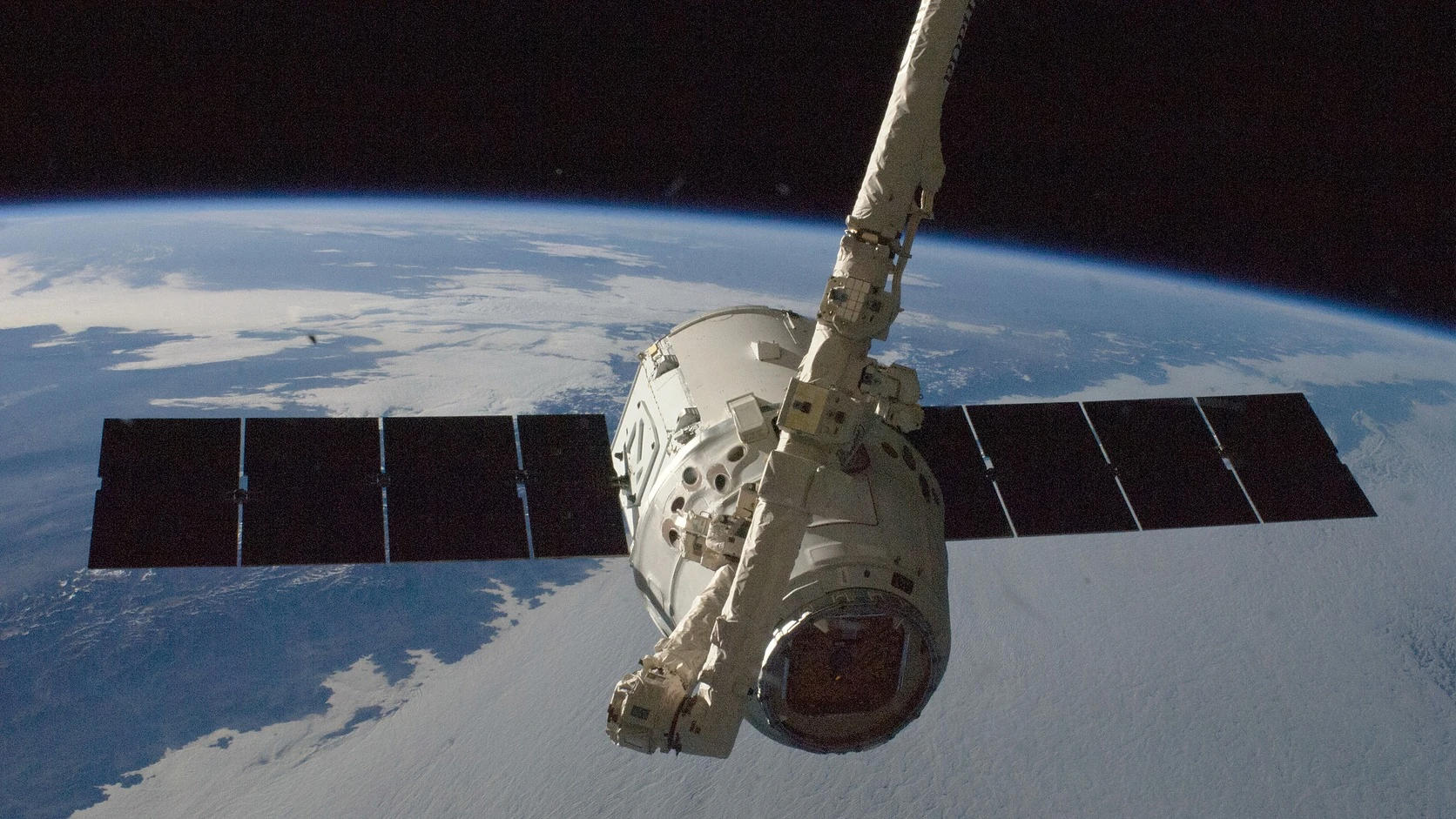
A SpaceX Dragon cargo spacecraft splashed down in the Pacific Ocean near Los Angeles at 2:03 p.m. Pacific time on November 21, NASA confirmed, returning research samples and equipment from the International Space Station.
The successful splashdown completed SpaceX’s 35th commercial resupply mission to the orbiting laboratory. It followed an undocking at 12:05 p.m. Eastern time on November 20 from the space-facing port of the station’s Harmony module, initiated by a command from SpaceX ground controllers.
What actually returned
The NASA departure report had forecast a splashdown around 1:55 p.m. Pacific time November 21. The confirmed return occurred about eight minutes later. The distinction matters: a forecast establishes a plan, while the subsequent NASA report establishes the completed landing.
Primary sourcenasa.gov: “Dragon Returns to Earth Packed With Science and Cargo”Returning a sample, however, is not the same as establishing that an experiment succeeded. The spacecraft’s splashdown confirms the return operation. Separate records would be needed to establish the condition of each specimen on receipt, whether particular laboratory analyses were completed, and what the research ultimately found.
Why the return capability matters
The International Space Station offers an environment where scientists can observe how cells, materials and biological systems behave without ordinary Earth gravity. Some measurements and analyses require instruments too large or specialized to operate aboard the station.
Dragon can bring scientific cargo back for those tests. That distinguishes it from supply vehicles that are intentionally destroyed during atmospheric reentry. The returned materials may help researchers evaluate changes after exposure to spaceflight, but NASA’s return announcement is not evidence of a new medical treatment or commercial product.
The samples will undergo the research teams’ established postflight procedures. The next meaningful reporting milestone is a documented scientific finding, not simply a successful ocean landing.
The mission is therefore complete as a spacecraft return, while the work of interpreting its scientific cargo continues. Readers should distinguish the confirmed splashdown from any later claims about laboratory results.
End of story