


Satellites reveal an extraordinary flowering season in Chile’s Atacama Desert
NASA’s latest account documents a sweeping spring bloom after winter storms, while researchers investigate its extent and changing mix of plants.
How this story was made
This story was written with AI assistance from NASA’s source documents. Its figures and quotations were checked against their sources, and Digitalage Desk reviewed and approved it before publication. It is published under the name of Peter Michaels, Editor.
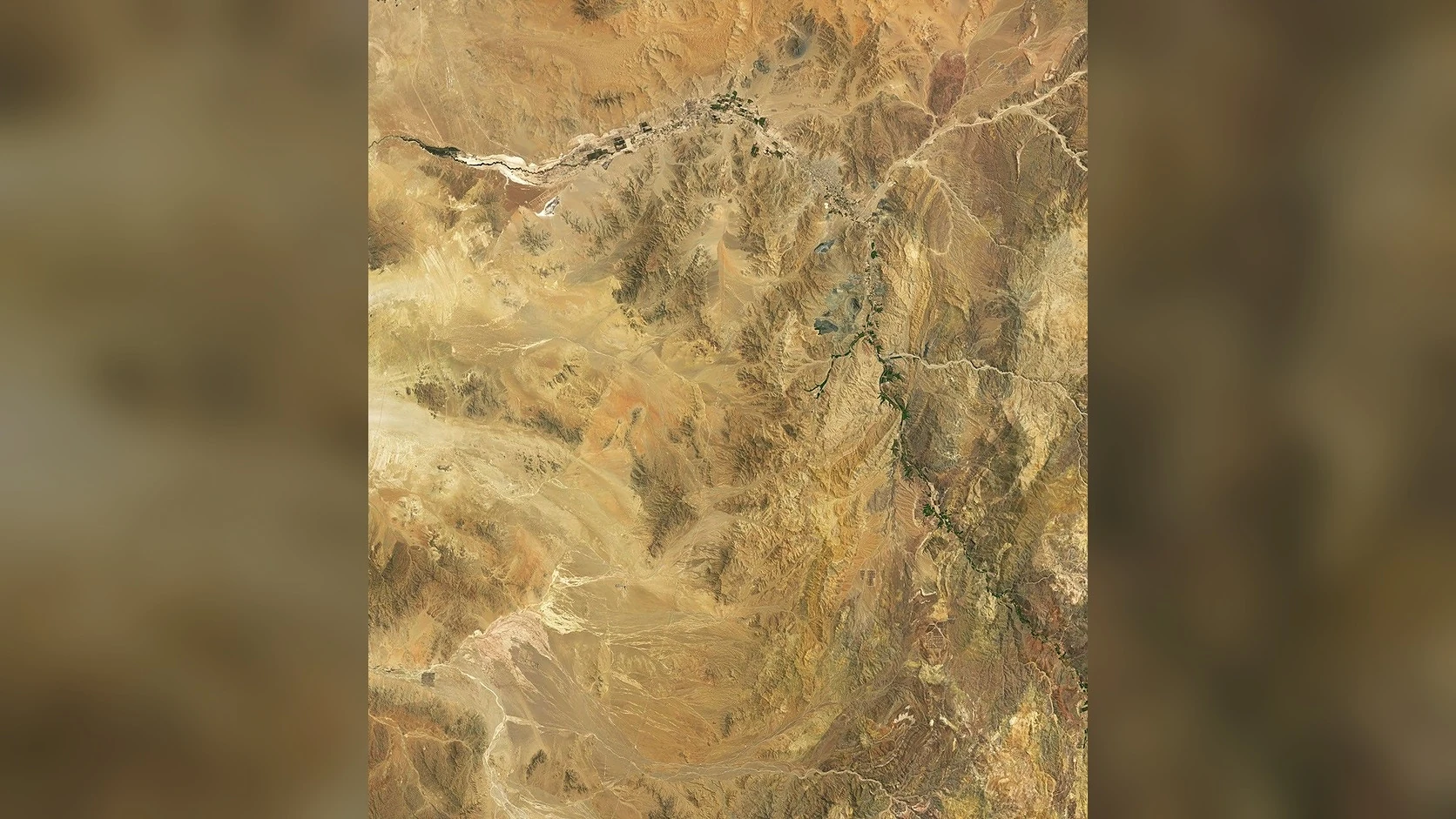
Satellite images released by NASA on November 19 show normally arid stretches of Chile’s Atacama Desert covered in purple, white and green vegetation after unusually heavy winter precipitation.
NASA Earth Observatory’s November 19 account compares Landsat observations from September 14 and October 24, 2026. The scenes show areas southwest of Copiapó changing as different flowers emerged during the Southern Hemisphere’s spring.
Researchers from Pontificia Universidad Católica de Valparaíso identified extensive purple Cistanthe blooms in the October scenes and white Nolana flowers in September. They also documented flowers on the ground and are combining satellite observations, drones and cameras to examine biodiversity across the landscape.
The wet winter behind the flowers
Chile’s national weather service documented a succession of storms from July 14 to 21 affecting the country from the Atacama region south to Los Lagos. Its August assessment described the episode as one of the most significant July precipitation events in recent decades.
The fronts interacted with a persistent atmospheric river. The agency identified El Niño conditions alongside other large-scale atmospheric patterns, including the Madden-Julian Oscillation and a changing Antarctic Oscillation. Together, those conditions helped sustain the rain. The explanation involves several interacting weather patterns, rather than a single cause.
A dormant landscape worth protecting
Primary sourceNASA: “El Niño Rains Paint the Atacama”The decree makes preserving that reservoir of seeds a conservation objective, alongside protecting native wildlife and supporting research. The legal designation predates this season’s bloom; the approximately 200 species describe the wider phenomenon, not a count of species confirmed flowering in 2026.
The potential record remains a scientific assessment. Researchers quoted by NASA describe exceptional extent, intensity and duration within their remote-sensing record, rather than establishing an all-time record for the desert.
End of story