


NIH plans sanctuary move for its last chimpanzees at Texas research center
Transfers to Chimp Haven are expected to begin in early 2027, with each animal’s health and social group helping determine the timetable.
How this story was made
This story was written with AI assistance from National Institutes of Health’s source documents. Its figures and quotations were checked against their sources, and Digitalage Desk reviewed and approved it before publication. It is published under the name of Peter Michaels, Editor.
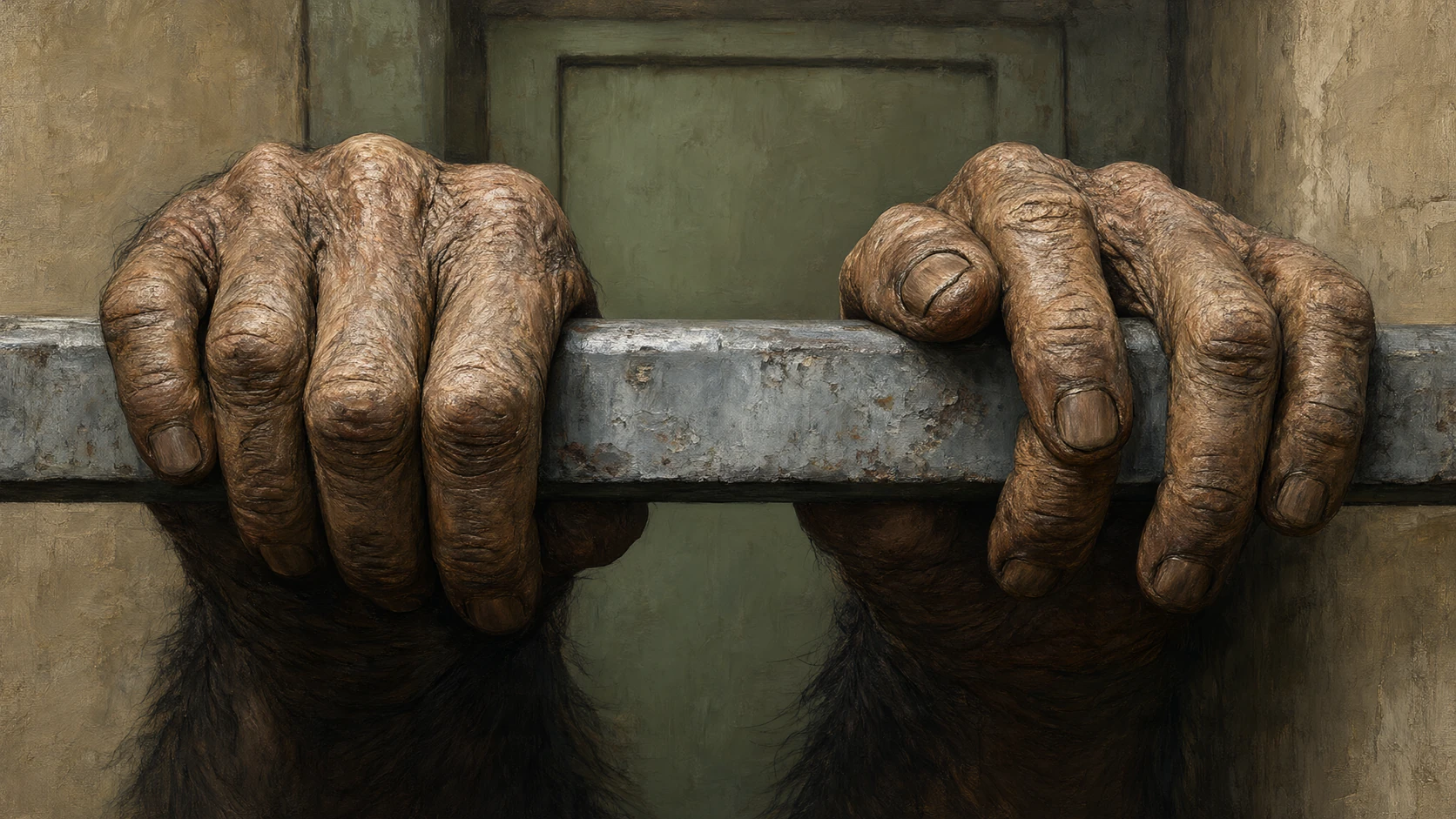
The National Institutes of Health plans to move its remaining chimpanzees at a Texas research facility to a Louisiana sanctuary, advancing a retirement commitment the agency made 11 years ago.
NIH’s November 18 announcement concerns animals at the Keeling Center for Comparative Medicine and Research in Bastrop, Texas. They will move to the federal sanctuary operated by Chimp Haven in Keithville, Louisiana.
The agency describes them as the last NIH-owned chimpanzees awaiting transfer to the federal sanctuary program. Relocations are expected to start in early 2027; NIH has announced a plan, not completed the moves.
An unfinished retirement
In November 2015, NIH said it would stop supporting biomedical research on chimpanzees. Its retirement plan made NIH-owned and NIH-supported animals outside the federal sanctuary eligible for relocation, with welfare and social groupings guiding the process.
Primary sourceNational Institutes of Health: “NIH to relocate remaining NIH-owned chimpanzees at Keeling Center to federal sanctuary”Chimp Haven’s own history records the arrival of its first two chimpanzees in 2005 and the transfer of all remaining animals from New Mexico’s Alamogordo Primate Facility in 2025. The sanctuary operates on 200 acres and provides permanent retirement for former research chimpanzees.
Care will set the timetable
NIH said experience with the Alamogordo transfers prompted it to revisit potential moves from Keeling. It will coordinate with both facilities, considering the animals’ health, welfare and existing social groups.
The agency also acknowledged that their health conditions increase risks during transport and adjustment to a new home. Continuity of care will be part of the relocation work.
At Chimp Haven, retirement does not mean release into the wild. The sanctuary provides continuing veterinary care and opportunities for climbing, exploration and life in bonded social groups. It says no invasive studies take place there, while staff use behavioral observations to monitor wellbeing and help animals integrate socially.
End of story