


NASA will end Terra satellite science operations after 27 years
The Earth-observing spacecraft is scheduled to stop collecting science data December 1, with decommissioning continuing into January 2027. Its historical data will remain publicly available.
How this story was made
This story was written with AI assistance from NASA’s source documents. Its figures and quotations were checked against their sources, and Digitalage Desk reviewed and approved it before publication. It is published under the name of Peter Michaels, Editor.
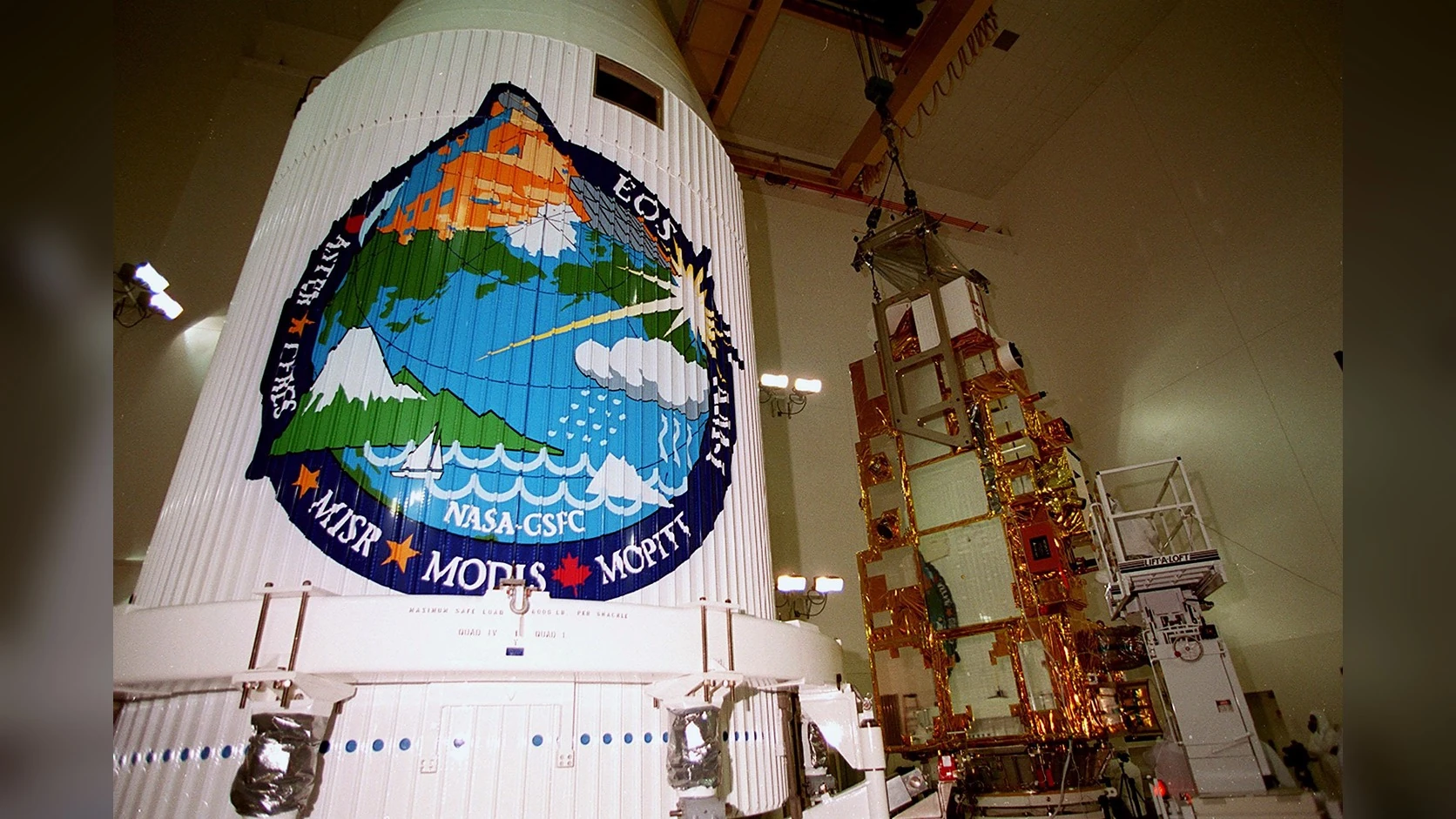
NASA says its long-running **Terra Earth-observing satellite will stop collecting science data on December 1, 2026**, bringing an end to a mission that has monitored changes across the planet for 27 years. The agency announced the plan November 17, explaining that the spacecraft’s aging systems and changing orbit are making continued operations increasingly difficult.
The official NASA mission update says Terra was originally designed for a **six-year mission**. Launched in December 1999, it has exceeded that planned life by more than four times while producing observations used by scientists, emergency responders and others studying Earth’s environment.
What the satellite has measured
Terra collected information about the atmosphere, land, oceans and living systems as part of NASA’s Earth Observing System. Its instruments helped scientists track changes in land use, wildfires, smoke and dust movement, atmospheric composition, ice cover and other patterns that unfold over time.
Primary sourceNASA: “NASA: nasas terra mission to end”Terra originally carried five instruments: ASTER, CERES, MISR, MOPITT and MODIS. NASA says MOPITT and portions of CERES and ASTER had already been turned off to conserve power as the spacecraft aged. The satellite was therefore not operating all of its original observing capabilities at full strength when the end-of-mission decision was announced.
What happens next
Stopping data collection is not identical to an immediate spacecraft shutdown. NASA plans a decommissioning process that includes using remaining propellant to lower Terra’s orbit. The agency then expects to **power off spacecraft systems in January 2027**.
These are scheduled steps, not a claim that Terra was already shut down on November 17 or 18. Operational timing could change if mission conditions require adjustments. NASA has not described a replacement satellite with identical capabilities that simply takes over every Terra measurement without interruption.
The long-running scientific record will not disappear when the spacecraft is retired. NASA says Terra’s historical data will remain **freely available to the public**, allowing researchers to use it for continued studies of environmental change and to compare observations from other satellites.
For the public, the end of Terra’s operations is a reminder that much of what scientists know about environmental trends comes from the continuity of instruments operating in space. The spacecraft is reaching the end of its technical life, but the value of its observations continues beyond the mission itself.
End of story