


Even cacti face sharp habitat losses when climate forecasts account for drought
A study of 993 cactus species projects much greater losses of suitable climate when severe drought is included, with consequences for conservation.
How this story was made
This story was written with AI assistance from Nature’s source documents. Its figures and quotations were checked against their sources, and Digitalage Desk reviewed and approved it before publication. It is published under the name of Peter Michaels, Editor.
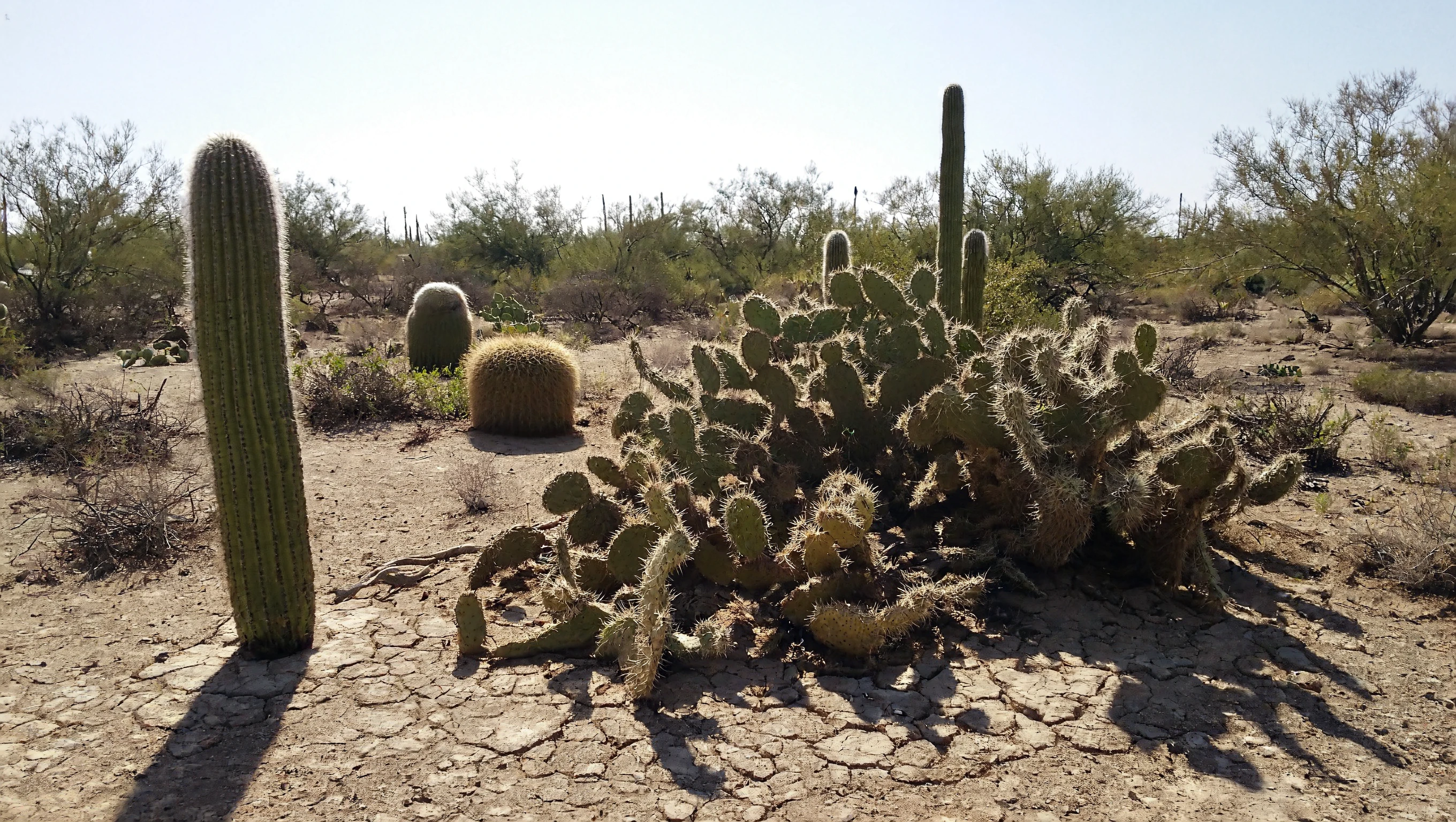
Cacti’s ability to survive dry conditions may offer less protection in a warmer world than their reputation suggests. A new Nature study, summarized by the journal on November 11, projects substantial losses of suitable climatic area when severe drought is included in forecasts.
The research modeled 993 cactus species using nearly 650,000 records of where the plants occur. Those records came from biodiversity databases, field observations and iNaturalist, according to IUCN, whose cactus specialists coauthored the study. The team combined them with new global projections of severe drought.
For 91% of the species, models including drought were better supported than models based on climate averages alone, IUCN reports. More than a quarter of the species analyzed could lose at least 80% of their suitable habitat by the end of the century.
The University of Arizona’s account of the research explains why that changes the picture. Conventional distribution models often rely on average temperatures and rainfall. A species must also survive unusually harsh episodes, and a tolerable average can obscure a damaging extreme.
The projections concern where climate may remain suitable by 2100. They are not a count of plants already lost or a finding that every affected species will become extinct. Their value is in identifying a risk that forecasts built mainly around averages can underestimate.
Cacti also occupy a much wider range of environments than a desert image implies. They occur across the Americas, including many ecosystems beyond deserts. The researchers identify Chile, Peru and northeastern Brazil as areas where projected losses could be particularly severe, according to the Arizona release.
Researchers quoted by the university report effects already visible in the U.S. Southwest, including deaths among chollas, prickly pears and saguaros. Drought has also affected saguaro growth and reproduction. Those observations add local context, although they do not by themselves verify every continent-wide forecast.
Primary sourceNature: “Cacti are severely threatened by drought in a warming world”The study will inform updated extinction-risk assessments rather than automatically change Red List categories. IUCN’s cactus specialist group plans regional expert workshops in the United States, Mexico and South America during 2027, with reassessment a priority over the next three years.
End of story