


UNICEF reports 128 child casualties and more than 330,000 displaced since September 3
UNICEF reports 64 children killed and 64 injured since September 3, while separate figures show the scale of displacement, aid needs and services actually provided.
How this story was made
This story was written with AI assistance from unicef.org.uk’s source documents. Its figures and quotations were checked against their sources, and Digitalage Desk reviewed and approved it before publication. It is published under the name of Peter Michaels, Editor.
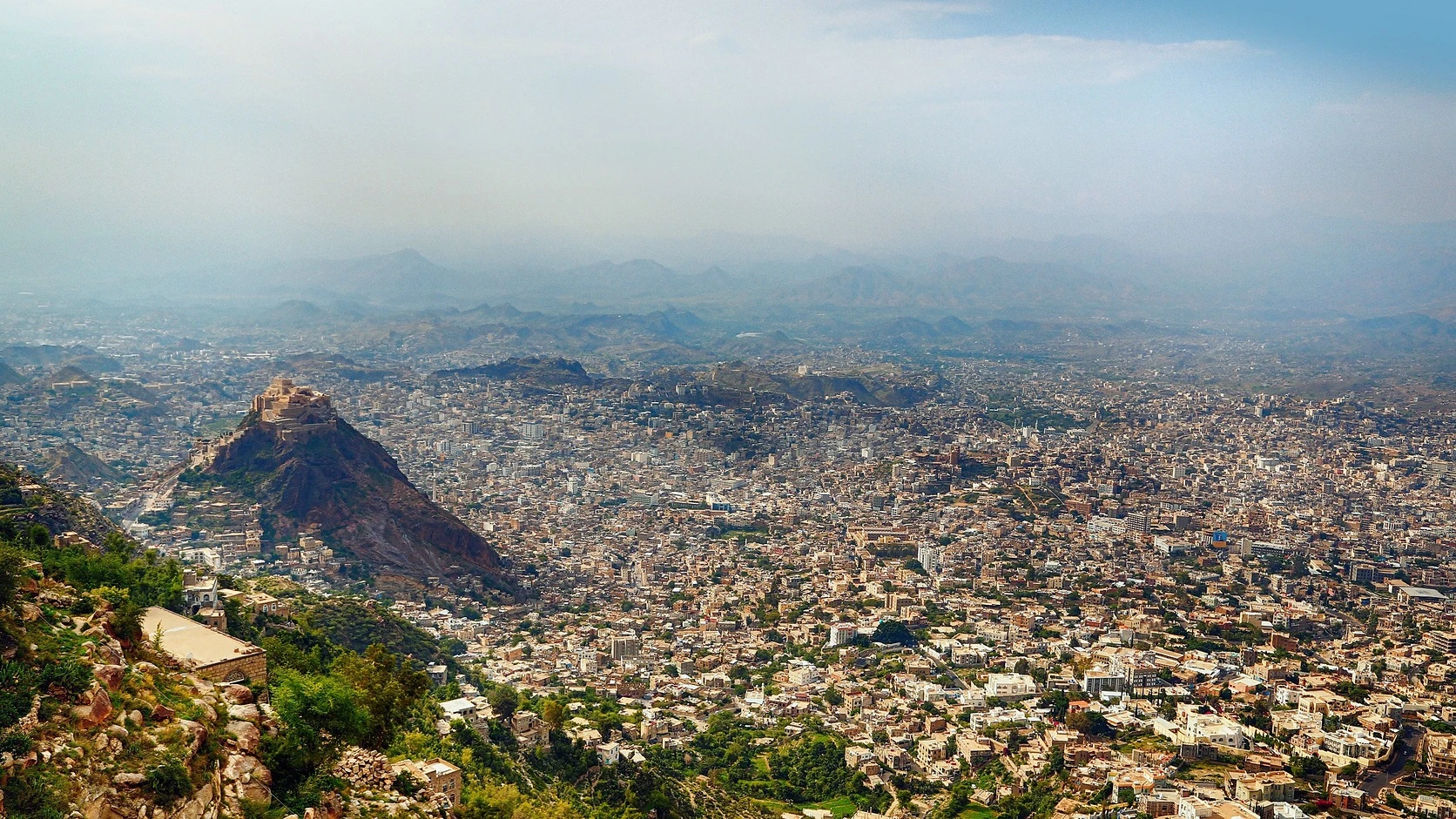
At least 64 children have been killed and another 64 injured in Yemen since fighting intensified September 3, according to UNICEF’s November 18 statement. The 128 reported casualties describe the recent escalation, not the cumulative toll of Yemen’s longer conflict.
The figures also tell only part of the story. UNICEF reports damage to at least seven schools and 28 health facilities, while families displaced by fighting face interrupted water, food, health care and education.
Three different numbers that should not be confused
UNICEF’s humanitarian situation update covering October 18 to November 9 says it requires **$8.5 million** to deliver urgent assistance to **560,000 affected and displaced people**. That is a funding requirement and an associated population in need, not a claim that 560,000 people have received aid.
The agency’s November 18 public statement separately says it is expanding its response to **reach up to 350,000 people**. That is an operational reach ambition in a later announcement, not an achieved total and not the same measure as the 560,000 figure.
The earlier situation update records concrete service reach: **77,817 people provided with safe water** and **91,300 people reached with health and nutrition services**. These are different services, and some recipients may overlap. Adding them together would not establish a count of unique people assisted.
Why Taiz is especially vulnerable
UNICEF says more than 330,000 people have been displaced since the escalation began, including an estimated 174,000 children. In Taiz, more than 800,000 people were reportedly cut off from humanitarian assistance as of late October after the main road from Aden closed and alternatives became insecure.
Water production in the city fell by nearly half, while food and fuel prices more than doubled, according to the agency. Those are reported conditions in Taiz, not national price or water statistics.
Primary sourceunicef.org.uk: “At least 64 children killed and 64 injured in Yemen as intensified hostilities approach three-month mark”The next test is whether humanitarian access and financing translate into delivered services. Separating people in need, people targeted for assistance and people actually reached helps readers see what the available numbers can, and cannot, establish.
End of story