


WFP warns three trade chokepoints could put food aid for 7.3 million people at risk
The humanitarian agency estimates additional costs of $727 million by mid-2027 if current conditions persist, even as October’s global food commodity index eased.
How this story was made
This story was written with AI assistance from World Food Programme’s source documents. Its figures and quotations were checked against their sources, and Digitalage Desk reviewed and approved it before publication. It is published under the name of Peter Michaels, Editor.
Key points
- WFP addressed the UN Security Council November 23 about disruptions affecting three maritime corridors. - Its additional-cost scenario is conditional, not an incurred total. - FAO estimates 20% to 30% of internationally traded fertilizer passes through Hormuz. - October’s global food-price index fell 1.2% from September.
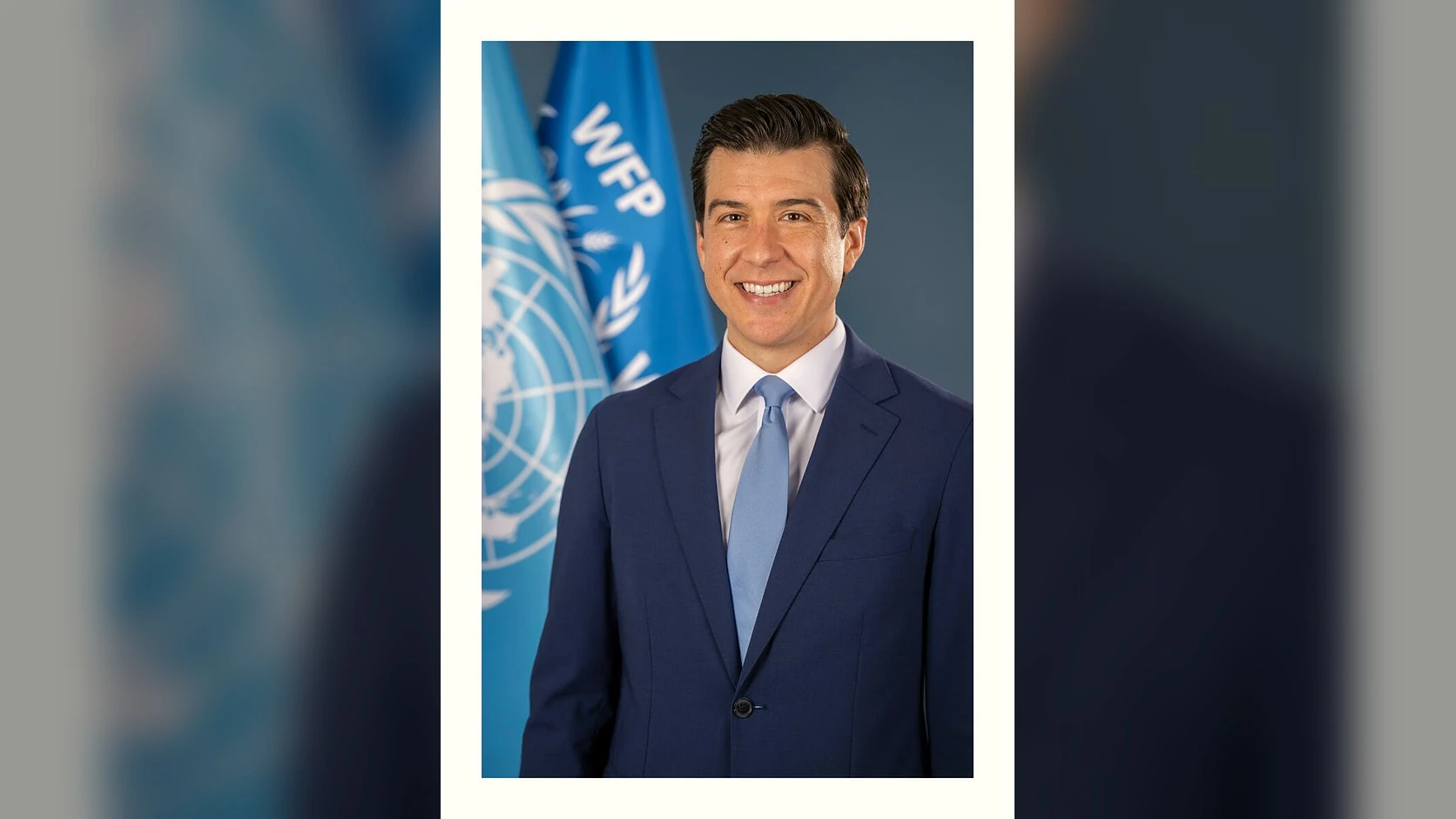
World Food Programme Executive Director Luke J. Lindberg addressed the United Nations Security Council on November 23, 2026, warning that disruption affecting the Strait of Hormuz, Bab-el-Mandeb and the Black Sea is increasing humanitarian and food-supply pressures. WFP says the three corridors matter to the movement of food, fertilizer and other farming inputs.
Primary sourceWorld Food Programme: “WFP Executive Director's briefing to the UN Security Council on Ukraine - Remarks as Delivered”Global prices and local pressures are different measures
The Food and Agriculture Organization estimates that 20% to 30% of internationally traded fertilizer passes through the Strait of Hormuz. This is a share of trade, not all global production or fertilizer supply.
Lindberg said the FAO Food Price Index approached a four-year high in September and wheat prices were nearly 10% above January levels. FAO’s November 6 release placed the October index at 133.9, down 1.2% from revised September. It reported that international wheat prices fell after four monthly increases.
A decline in global commodity prices does not mean humanitarian transport costs or food bills in every affected country have fallen. Lindberg reported that the cost of a basic diet in Sudan had risen 130% since February. WFP also warned that fertilizer disruptions could affect future harvests.
Why the trade routes matter
WFP says that by mid-October, 63% fewer vessels carrying wheat and maize passed through the Bosphorus than at the comparable point in 2025. It estimated that around 10 million tonnes of Russian and Ukrainian wheat could fail to reach global markets, an amount it says could feed an estimated 44 million people. These are agency estimates, not established future losses.
In an August 25 briefing, acting WFP Executive Director Carl Skau reported a 40% annual decline in grain shipments through the Bosphorus and 20% higher shipping costs for WFP. The August shipment measure and October vessel count are related, but they are not identical measures.
WFP estimates that 266 million people across food-crisis countries face acute hunger and warns of famine risk in parts of Sudan, South Sudan and Somalia.
Lindberg called for action to keep food moving and said WFP stands ready to facilitate humanitarian grain shipments from Russia and Ukraine. The issue is how disruptions affect the purchasing power and delivery of aid, even when the most recent global food commodity index moves lower.
End of story