


World Court finds Myanmar responsible for genocide against the Rohingya
The judgment orders reparations and investigations, with compensation amounts to be decided in a later stage of the case.
How this story was made
This story was written with AI assistance from refworld.org’s source documents. Its figures and quotations were checked against their sources, and Digitalage Desk reviewed and approved it before publication. It is published under the name of Peter Michaels, Editor.
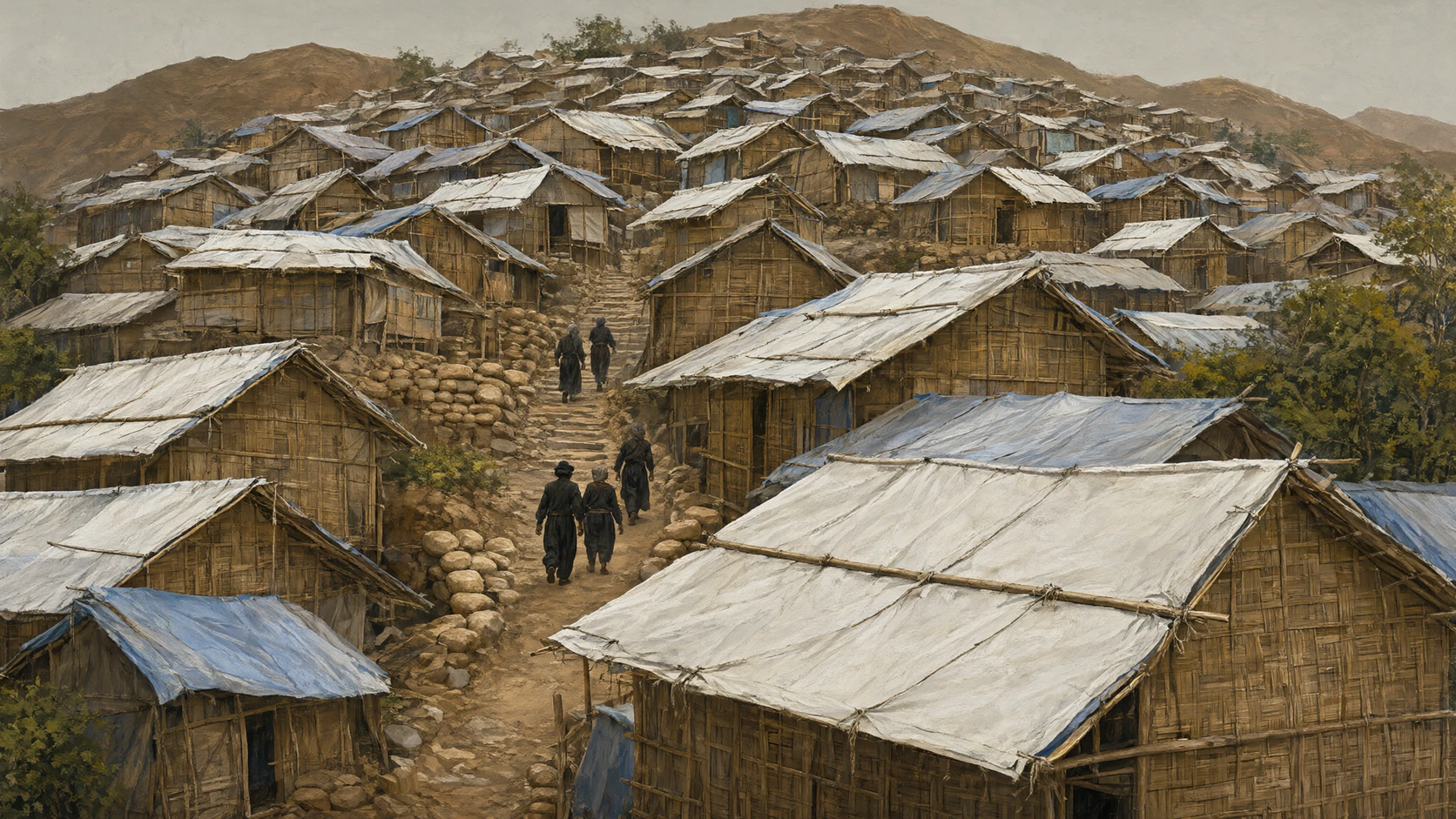
The International Court of Justice found on November 19 that Myanmar committed genocide against the Rohingya in northern Rakhine State, ordering the country to repair the harm and investigate suspected perpetrators.
The court’s judgment concerns the 2017 military operations. Judges voted nine to six on the finding that Myanmar committed genocide, establishing the state’s responsibility under the Genocide Convention.
Myanmar had argued that its operations responded to attacks by the Arakan Rohingya Salvation Army. The court rejected genuine counterinsurgency as an alternative explanation for the conduct it examined, concluding that the evidence established an intent to destroy a substantial part of the protected group.
What Myanmar must do
The UN’s Independent Investigative Mechanism for Myanmar summarizes the measures ordered: legislation implementing the convention, effective investigations and prosecutions where warranted, guarantees against repetition, and restitution and compensation for victims.
The return provisions cover Rohingya displaced inside Myanmar and abroad. Any return to their homes must be safe, voluntary and dignified, with provision for reuniting families.
Primary sourcerefworld.org: “refworld.org: 178 20261119 jud 01 00 en”State responsibility and individual prosecutions
The mechanism explains that the ICJ settles disputes between states and cannot prosecute individuals. The order to investigate and, where warranted, prosecute suspected perpetrators does not itself convict an individual defendant.
The Gambia brought the case in November 2019. The ICJ issued provisional measures in January 2020 and rejected Myanmar’s jurisdictional objections in 2022, before holding hearings on the merits in January 2026.
In a statement welcoming the decision, UN Secretary-General António Guterres described it as the first time the court had found a state responsible for committing genocide. He emphasized that the judgment is binding, final and without appeal, and called on Myanmar to comply.
End of story