


World Bank approves $300 million for rural Sindh water and sanitation
The program targets 1.5 million people, with plans for solar-powered systems and professional services intended to keep water safe after construction.
How this story was made
This story was written with AI assistance from World Bank’s source documents. Its figures and quotations were checked against their sources, and Digitalage Desk reviewed and approved it before publication. It is published under the name of Peter Michaels, Editor.
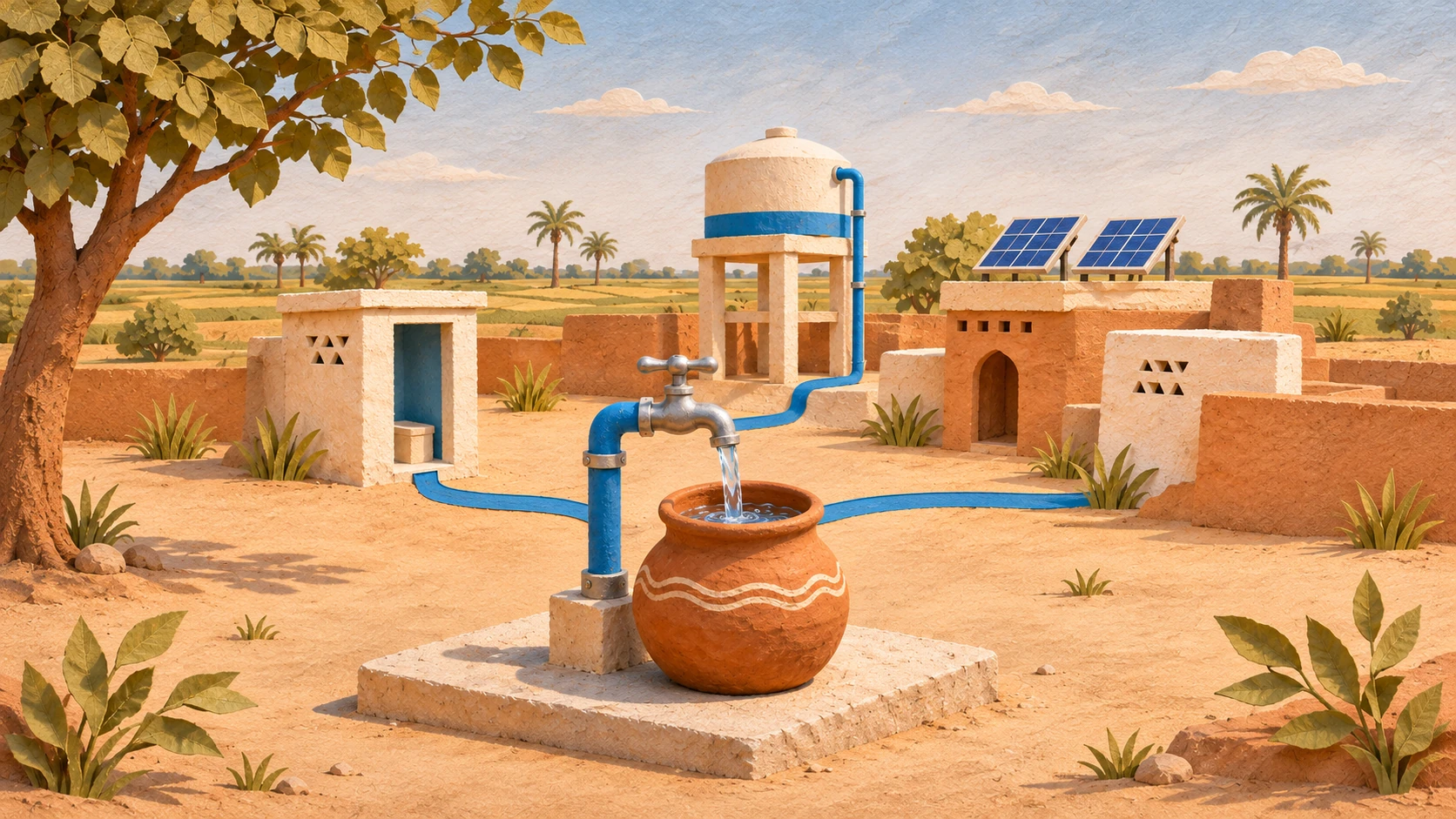
The World Bank has approved $300 million for water, sanitation and hygiene services in rural Sindh, Pakistan, backing a project intended to reach 1.5 million people and change how those services are operated.
The November 13 announcement describes solar-powered water systems, improved sanitation and hygiene programs. Its targets include halving contamination at the point of use and connecting 80% of the targeted rural communities to a professional service provider. These are project objectives, rather than results already recorded.
The operating model is central to the proposal. A World Bank concept-stage assessment published in May 2025 argued that building assets alone had not produced sustainable rural services at scale. It called for changes to institutions, service delivery and behavioral change alongside infrastructure.
That earlier preparation document also outlined the less visible work behind sanitation: transporting, treating and disposing of fecal sludge and wastewater, improving water storage practices and supporting hygiene at homes and public facilities. It describes the project’s design history, not evidence that those activities have been completed or a substitute for the final implementation arrangements.
The World Health Organization’s definition helps explain why a new pipe is only part of the task. Safely managed drinking water comes from an improved source on the premises, is available when needed and is free from fecal and priority chemical contamination. Access, reliability and quality therefore have to be assessed together.
Primary sourceWorld Bank: “Pakistan: World Bank project for safe water and sanitation in rural Sindh”The World Bank describes a $540 million overall project package, including $150 million from the Asian Development Bank and $90 million equivalent from Sindh’s government. Its $300 million approval should not be read as a statement that the entire package has already been disbursed.
What’s next
A further financing step is still scheduled. The Asian Development Bank’s board calendar lists its proposed loan for the Sindh project on December 2, 2026. That remains a proposed decision, while the service and contamination targets will depend on implementation.
End of story