


WHO warns dangerous antibiotic resistance is widespread across Europe
New surveillance findings show that in 21 of 43 reporting countries, at least half of serious Klebsiella pneumoniae infection samples resisted a major class of antibiotics.
How this story was made
This story was written with AI assistance from World Health Organization’s source documents. Its figures and quotations were checked against their sources, and Digitalage Desk reviewed and approved it before publication. It is published under the name of Peter Michaels, Editor.
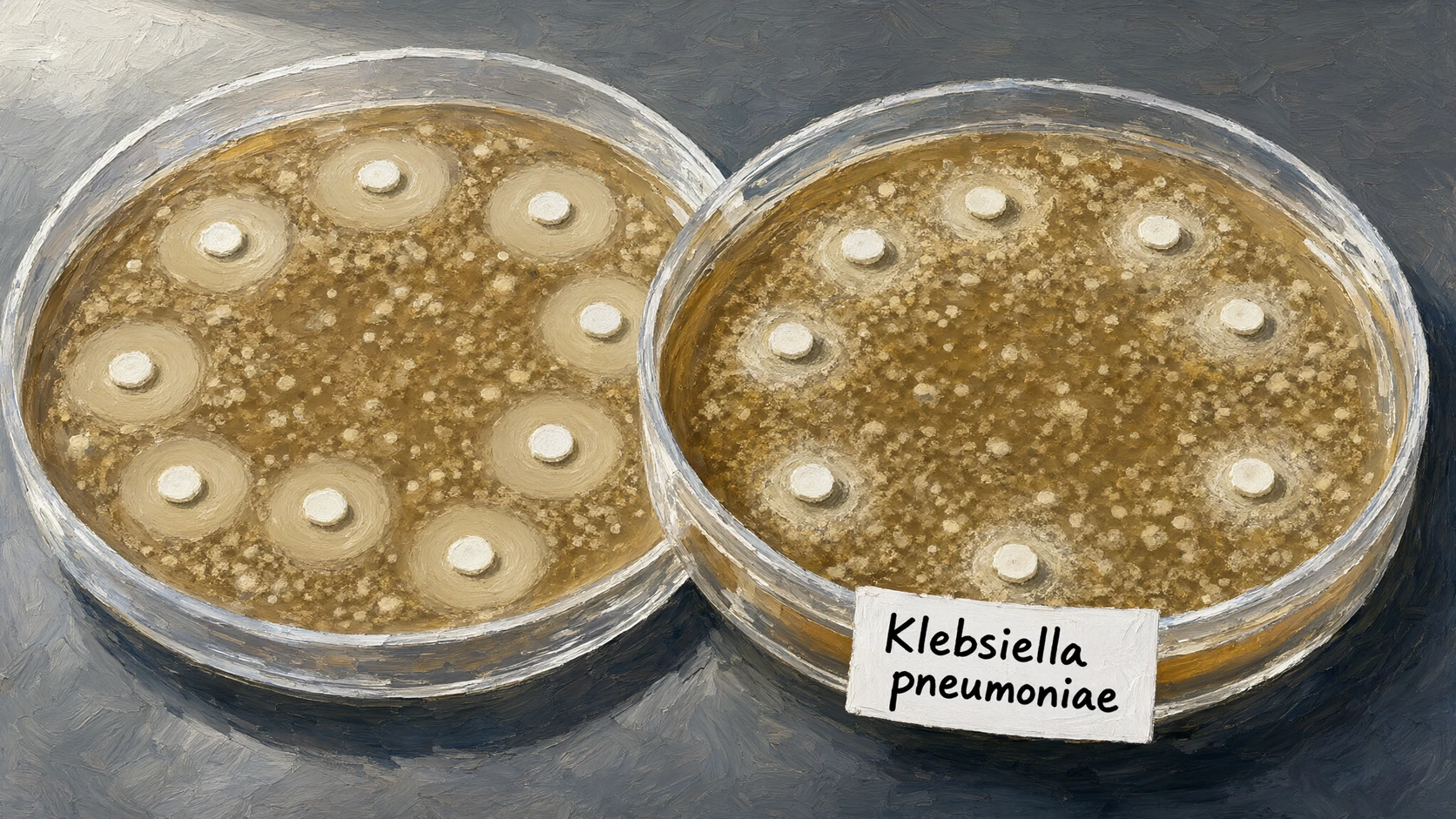
Resistance to important antibiotics has become common among bacteria responsible for serious hospital infections across much of the World Health Organization’s European Region, according to a November 18 report from WHO/Europe and the European Centre for Disease Prevention and Control.
The agencies’ joint assessment drew on 2025 surveillance data. Among **43 countries reporting data on Klebsiella pneumoniae**, **21 found that at least half of tested samples** from serious infections were resistant to third-generation cephalosporins, a class of antibiotics used to treat bacterial infections.
That finding is not a claim that half of everyone in Europe has a drug-resistant infection. It describes the proportion of selected bacterial samples reported by national surveillance systems. The numbers are particularly troubling because “Klebsiella pneumoniae” can cause serious bloodstream infections and other complications in hospitalized patients.
Why resistance can narrow treatment options
Primary sourceWorld Health Organization: “World Health Organization: 18 11 2026 resistance to key antibiotics is the norm for 2 common hospital bacteria in nearly half of reporting countries in the who european region”The joint surveillance covers more than a single organism or one type of hospital. It also highlights resistance involving “Acinetobacter” species, another group of bacteria that can cause severe infections in health-care settings. Surveillance methods and the patient populations sampled vary among countries, so individual national percentages should not be treated as directly interchangeable without understanding their data.
A separate ECDC risk assessment issued November 18 warns of a worsening situation involving carbapenem-resistant Enterobacterales in the European Union and European Economic Area. It points to the rising estimated incidence of bloodstream infections involving resistant “K. pneumoniae” and shrinking treatment options.
What health systems can do
The agencies emphasize preventing infections from spreading, improving laboratory testing and monitoring patterns of resistance. Appropriate prescribing matters too: antibiotics do not treat viral infections, and taking them unnecessarily can contribute to resistance over time.
The problem is not limited to individual decisions by patients. Hospitals need infection-prevention procedures, surveillance capacity and access to reliable diagnostics so clinicians can identify the organism involved and select treatment intelligently.
The release coincides with **World Antimicrobial Resistance Awareness Week, November 18–24**. Its central warning is that antibiotic resistance is not only a possible future danger. In many places, hospitals already have fewer dependable treatment options for serious infections, making prevention and accurate detection increasingly important.
End of story