


America has lost its measles elimination status
After 26 years of maintaining its elimination designation, the United States faces renewed measles transmission.
How this story was made
This story was written with AI assistance from paho.org’s source documents. Its figures and quotations were checked against their sources, and Digitalage Desk reviewed and approved it before publication. It is published under the name of Peter Michaels, Editor.
Key points
- The Pan American Health Organization announced on November 17 that the United States, Mexico and Bolivia had lost their measles elimination status. - CDC reported 5,838 confirmed U.S. cases in 2026 through November 19, compared with 2,289 during all of 2025. Both years’ totals remain preliminary. - Pennsylvania reported 1,638 confirmed cases, 330 hospitalizations and nine measles-associated deaths as of November 23. - CDC recommends vaccination and prompt contact with a healthcare provider after suspected exposure.
The United States has lost a public health designation it maintained since 2000. On November 17, the Pan American Health Organization (PAHO), the World Health Organization’s regional office for the Americas, announced the decision following a review by its regional verification commission. Mexico and Bolivia also lost their national elimination designations.
Elimination never meant that measles had disappeared worldwide or that no American could contract it. The designation means that sustained local transmission has been interrupted for at least 12 months. Imported infections and even outbreaks can occur without ending elimination if the chain of transmission is interrupted before it becomes established for a year.
Primary sourcepaho.org: “PAHO urges countries to step up efforts to stop measles outbreaks and move towards elimination in the Americas”What the numbers show
CDC’s November 20 update recorded 5,838 confirmed measles cases through November 19, including 18 among international visitors. The agency reported 43 new outbreaks this year and linked 5,629 cases to outbreaks that began in either 2025 or 2026. The national count for 2025 was 2,289, and the 2024 count was 285.
These are reported confirmed cases, not an estimate of every infection. The 2026 figure covers only part of the year, while the earlier totals cover full calendar years.
Pennsylvania’s November 23 update illustrates the impact on one state. Its health department reported 1,638 cases across 46 counties, 330 hospitalizations and nine associated deaths, including a newly reported death of an unvaccinated Centre County resident.
The CDC national table updated November 20 listed six deaths for 2026, while Pennsylvania’s later report alone lists nine associated deaths. CDC says its count can change as reviews are completed and that it is developing a standardized definition with state and territorial epidemiologists. These figures reflect different reporting dates and potentially different classification practices; they cannot be added or treated as a reconciled national death toll.
Why protection varies by community
CDC's school vaccination data show that documented national MMR coverage among kindergartners was 92.4% in the 2025-2026 school year, compared with 95.2% in 2019-2020. Approximately 280,000 kindergartners lacked documentation of completing the MMR series in the latest school year. That does not mean all of them received no doses.
Community vaccination coverage can differ substantially from national averages. Because measles spreads readily through the air, gaps in local immunity leave susceptible people exposed, including some infants and people who cannot receive the vaccine.
What families can do now
CDC recommends two doses of the measles, mumps and rubella (MMR) vaccine for children, routinely at 12 to 15 months and again at ages four to six. The agency estimates that one dose is 93% effective against measles and two doses are 97% effective. Protection is not absolute. Adults with uncertain vaccination records, international travelers and families in outbreak areas should ask a healthcare provider about age, immunity and exposure-specific recommendations. Some people, including those who are pregnant or severely immunocompromised, should not receive MMR; a clinician can advise them.
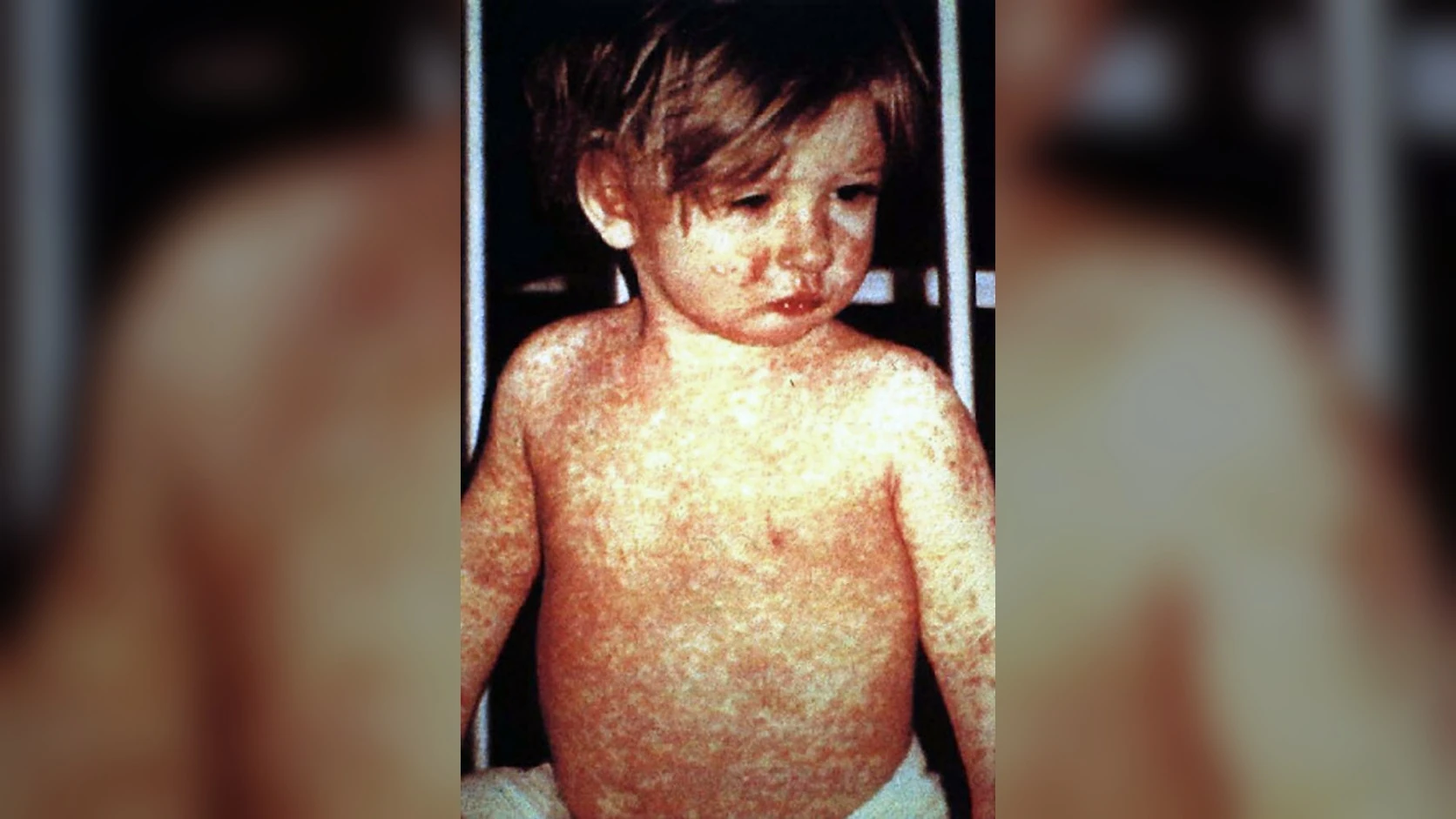
Measles commonly begins with fever, cough, runny nose and red eyes before a rash develops. Anyone who suspects measles or exposure should contact a healthcare provider immediately and call ahead before visiting a clinic to reduce the risk of exposing other patients.
For susceptible people who have recently been exposed, a clinician may consider MMR vaccination within 72 hours or immune globulin within six days, depending on eligibility and risk. Do not wait for a rash to seek advice after a known exposure. Severe symptoms such as difficulty breathing, confusion or dehydration warrant immediate emergency care; call ahead if possible without delaying treatment.
Families planning holiday gatherings or travel can check current local health department advisories and review their vaccination records with a healthcare provider. The national designation is an important measure of sustained transmission, but local conditions and individual protection are what matter for day-to-day decisions.
End of story