


UNICEF Launches Gaza Play Initiative as Families Report Few Safe Spaces
The Back to Play! campaign seeks community commitments and support for children’s recovery, while UNICEF warns that safe outdoor areas and basic play materials remain scarce.
How this story was made
This story was written with AI assistance from unicef.org’s source documents. Its figures and quotations were checked against their sources, and Digitalage Desk reviewed and approved it before publication. It is published under the name of Peter Michaels, Editor.
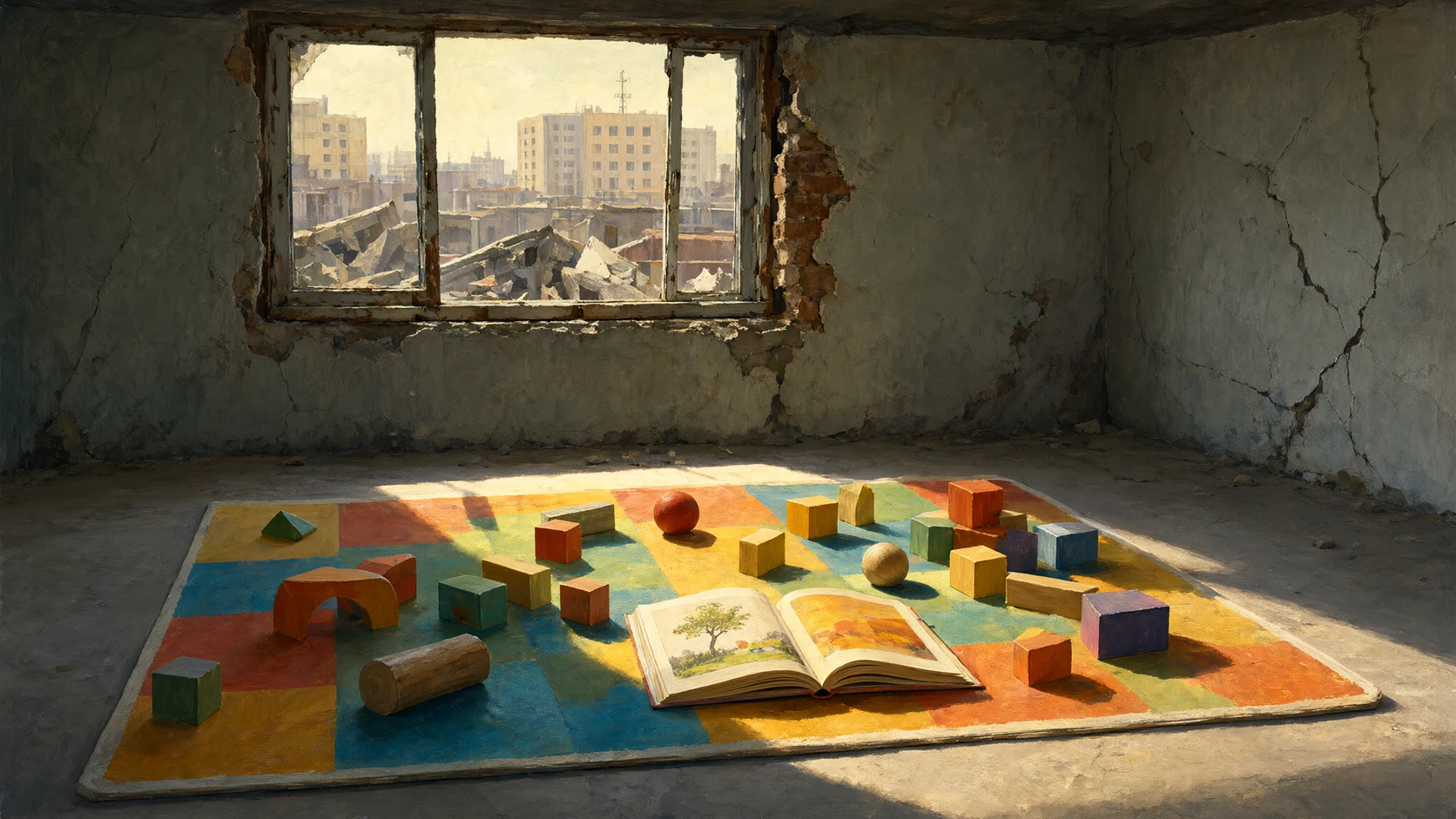
UNICEF launched its Back to Play! campaign in Gaza on November 20, World Children’s Day, calling on communities and organizations to protect opportunities for children to play amid the effects of prolonged conflict.
According to UNICEF’s announcement, two in three families in Gaza report that their children have no safe outdoor area to play. More than three in four families with young children say they lack toys or books.
The figures come from family reports cited by UNICEF, not individual child assessments.
Children asked for places to play
UNICEF says it and partners consulted more than 11,000 children in 2026 through an initiative called The Gaza We Want. Children asked for parks, sports fields and protected play spaces, placing them among their priorities.
More than 100 children joined a World Children’s Day event to launch Back to Play!, according to the agency. The campaign aims to mobilize pledges from communities and organizations to make time, supervision and physical space available for play.
Reaching every child remains a campaign goal, not a documented result.
What would show that the campaign is working
UNICEF’s November 20 announcement describes the launch, community pledges and an event involving more than 100 children. It does not report the number of new safe play sites opened, their operating hours, the children regularly served or whether access is sustained. Those are the measures that could distinguish a public appeal from a demonstrated expansion of services.
The family figures also need careful reading. Two in three families reporting no safe outdoor play area is not the same as two in three children being individually assessed, and UNICEF’s announcement does not describe how the figures were collected.
Building on existing support
Back to Play! builds on UNICEF’s Play to Heal program, which has operated in Gaza since the beginning of 2026. Trained facilitators use structured activities in learning centers, community centers and child-friendly spaces to help children communicate, rebuild trust and cope with stress.
Primary sourceunicef.org: “Children claim their right to play in Gaza on World Children's Day”World Children’s Day marks the anniversary of the adoption of the Convention on the Rights of the Child. This year’s campaign theme is My Day. My Rights. My Future.
UNICEF is asking local groups and international supporters to protect safe spaces, support early childhood development and provide flexible funding for play and psychosocial care.
End of story