


Trump threatens taxes on US companies building data centers overseas
President Donald Trump said November 20 that American companies building data centers outside the United States could face substantial taxes, but his remarks did not define the proposed tax.
How this story was made
This story was written with AI assistance from cbsnews.com’s source documents. Its figures and quotations were checked against their sources, and Digitalage Desk reviewed and approved it before publication. It is published under the name of Peter Michaels, Editor.
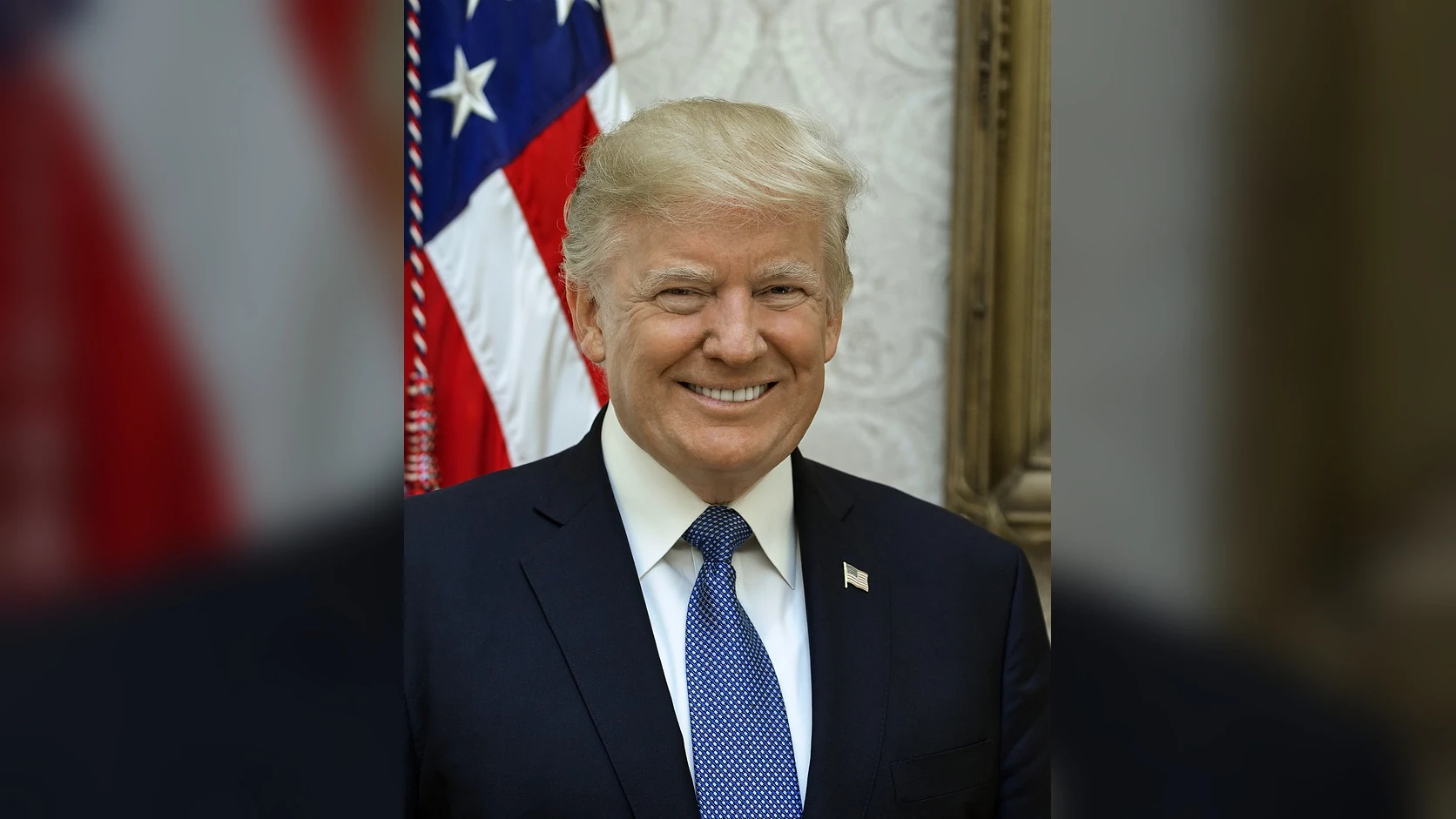
President Donald Trump said November 20 that American companies building data centers outside the United States could face substantial taxes, adding a new uncertainty for businesses investing in the infrastructure used to run cloud services and artificial intelligence.
At a White House news conference, Trump said he wanted U.S. companies to keep such facilities at home and warned of a large tax on overseas projects. His remarks did not include a proposed statutory text, an executive order, a tax percentage or an implementation date.
The practical questions for an overseas data center
Trump’s remarks, as reported by CBS News, did not define the proposed tax. That leaves unanswered whether it would apply to new facilities, existing investments, subsidiaries of American firms or facilities operated for foreign customers. Each distinction could substantially change the policy’s reach.
The overseas-location question is not simply a choice between American jobs and foreign jobs. Cloud services can depend on data centers close to customers to reduce network delays. Some governments also require certain information to be stored or processed within their borders. Axios reported that the president did not specify whether he would seek congressional approval or use executive authority to implement a tax, and noted these business reasons for operating internationally.
There is also a domestic tradeoff. Building more data centers in the United States could create construction work and demand for equipment, but local communities may face new electricity infrastructure costs and land-use disputes. None of those effects can be calculated from a threat that lacks a rate, coverage rules and an effective date.
Primary sourcecbsnews.com: “What to know about Trump's news conference today”What is known
Data centers house computing equipment used by internet services, businesses and increasingly AI systems. Companies often choose locations based on electricity supply, network connectivity, land, construction costs and access to customers.
A policy discouraging foreign construction could affect decisions by American technology companies, but the effect would depend on how a future rule defined a U.S. company, what counted as an overseas data center and whether existing projects were exempt.
Trump connected the issue to past decisions to manufacture semiconductor chips abroad, saying he did not want a similar shift in data-center capacity. That comparison was part of the president’s argument, not evidence that a new tax is already in force.
What would have to happen next
A new tax generally requires a lawful basis and a defined method for calculating liability. Depending on the mechanism chosen, congressional legislation, administrative action or other legal steps could be necessary. The White House did not set out those details in the remarks reported Friday.
A policy that treats all foreign projects alike could therefore raise questions about trade, competitiveness and how international operations are structured.
Communities in the United States may view new construction as an opportunity for jobs and investment, while others have raised concerns about electricity demand, water use and local infrastructure costs.
The immediate development is a policy threat made publicly by the president. It should not be described as an enacted tax, a ban on overseas construction or a rule already affecting company tax bills.
End of story