


Jensen Huang returns to Nvidia, but congressional and independent inquiries continue
The chipmaker’s leadership reversal brings renewed attention to board independence, export compliance and the relationship between America’s technology companies and national security policy.
How this story was made
This story was written with AI assistance from U.S. Securities and Exchange Commission’s SEC filing. Its figures and quotations were checked against their sources, and Digitalage Desk reviewed and approved it before publication. It is published under the name of Peter Michaels, Editor.
Not investment advice.
Key points
- Nvidia’s board reinstated Jensen Huang on November 22, announcing the decision the following day. - The board said senior U.S. government officials provided input before its decision. - An investigation overseen by independent directors remains ongoing, according to Nvidia. - Congressional committees confirmed that interviews with Huang and Nvidia’s general counsel remain scheduled for December 1 and 2, respectively. - Nvidia reported $115.8 billion in quarterly revenue, including $107.6 billion from its data-center business.
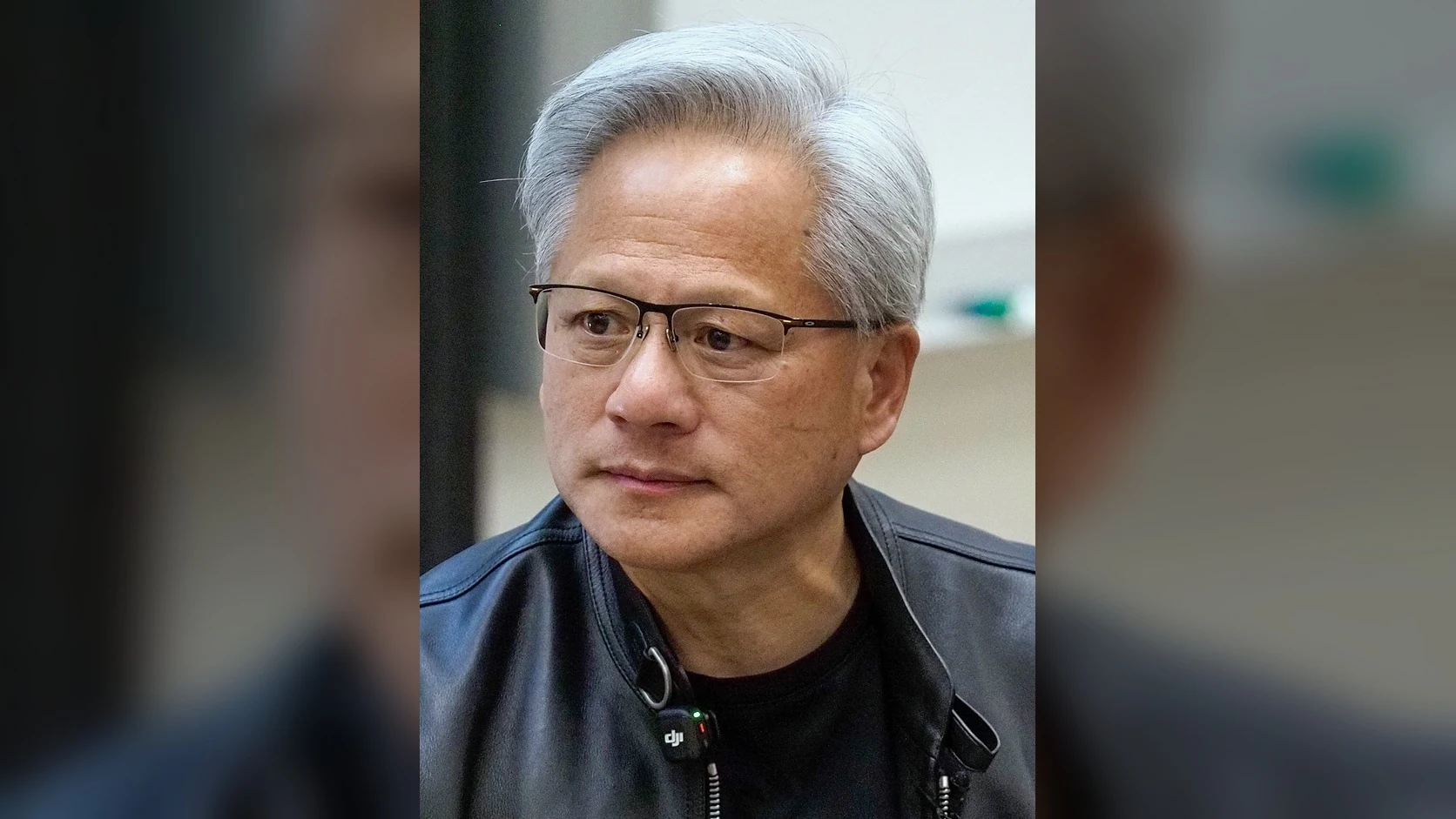
Nvidia has restored Jensen Huang as its chief executive officer, president and board member, reversing a leadership transition announced less than two weeks earlier. The decision resolves who leads the semiconductor company but leaves separate questions about oversight and national security unanswered.
The company’s Securities and Exchange Commission filings establish a precise timeline. Directors accepted Huang’s resignation on November 11, appointed Chief Financial Officer Colette Kress as interim chief executive and publicly announced the transition on November 12. On November 22, the board reinstated Huang, with a public announcement on November 23. Kress continues as chief financial officer, and Harvey C. Jones remains board chair.
On November 17, board chair Harvey C. Jones told investors that the board did not intend to reinstate Huang. The directors reversed that position five days later.
What the board decided, and what it did not
Nvidia announced on November 8 that it was initiating an investigation following reports that Huang had been targeted by a foreign intelligence effort. At that time, the company said it had no reason to believe national security or company secrets had been compromised.
Nvidia said its directors voted unanimously after discussions with Huang. The board said that input from senior levels of the U.S. government gave it confidence that his return posed no national security risk.
In a November 23 interview with CNBC, President Donald Trump said he had communicated with the board and persuaded it to reinstate Huang. He also said a government investigation had cleared Huang of wrongdoing. That is the president’s account, not an independently reviewed investigative report.
The board’s own assessment is distinct from the president’s account. It is not a published government security determination or the final result of the independent committee’s investigation. Nvidia says the inquiry will continue and Huang has agreed to cooperate.
Being the reported target of a foreign intelligence effort is not equivalent to knowingly participating in one. The company disclosures reviewed for this article do not establish personal criminal wrongdoing.
Congress still wants answers
On November 17, the chairs of the House Permanent Select Committee on Intelligence, House Foreign Affairs Committee and Select Committee on the Chinese Communist Party announced that Huang and Nvidia General Counsel Tim Teter had voluntarily agreed to participate in transcribed interviews.
Following the reinstatement, the three committee chairs confirmed on November 23 that the interviews would proceed as scheduled: Huang on December 1 and Teter on December 2. The chairs criticized the brevity of the board review and said they were seeking answers about alleged large-scale smuggling of Nvidia products, diversion for Chinese military use and implications for China’s AI capabilities.
Those concerns are the lawmakers’ stated investigative agenda, not adjudicated findings. The scheduled interviews are also distinct from a confirmed public hearing or completed testimony.
The Senate Banking Committee has separately scheduled an open hearing on U.S. export controls for December 3, listing Huang as its witness.
A separate federal investigation and new export restrictions
In a joint statement dated November 16 and posted on the Justice Department’s website on November 17, the Justice and Commerce departments said Commerce began investigating Singapore-based Megaspeed in 2024 over potential export-control violations. Investigators requested records from Nvidia in May 2025, and Nvidia placed Megaspeed on its internal no-sale list in June 2025. The Justice Department subsequently took the lead in the criminal investigation of Megaspeed.
A Commerce Department final rule adds Singapore-based Megaspeed International Pte. Ltd. and six other entities to the Entity List, citing diversion risks. The restrictions took effect upon public inspection on November 23, with formal Federal Register publication scheduled for November 25. The rule requires licenses for items subject to the Export Administration Regulations when a listed entity is a party to a covered transaction, with a presumption of denial. A limited savings clause applies to certain shipments already in transit. Megaspeed has denied allegations of transferring restricted Nvidia chips to China, according to CBS News.
These are distinct regulatory and investigative actions. The joint statement does not announce criminal charges against Megaspeed or accuse Huang or Nvidia of a crime. Nvidia says it will continue cooperating with government inquiries.
Separately, California Attorney General Rob Bonta announced on November 19 that his office had served Nvidia with an investigative subpoena seeking information about possible transfers of advanced chips or confidential information to China and whether the company misled investors or the public. The subpoena seeks evidence and does not establish a violation of California law.
Why the business matters
Nvidia’s latest financial results illustrate the commercial scale behind these governance decisions. For its fiscal third quarter ended October 25, 2026, Nvidia reported revenue of $115.8 billion, an increase of 103% from a year earlier. Data-center revenue reached $107.6 billion, up 110% year over year.
Primary sourceU.S. Securities and Exchange Commission: “NVIDIA Board Reinstates Jensen Huang as President, CEO and Board Director”New compliance measures
Nvidia has established a National Security and Export Control Committee consisting of independent directors. It is also seeking a chief compliance officer who will oversee company-wide compliance and report to the board’s Nominating and Corporate Governance Committee.
The committee’s effectiveness will depend on its authority, resources, reporting practices and implementation. Creating a committee is not the same as demonstrating that every compliance concern has been resolved.
For shareholders, the distinction is straightforward: confidence in management, independent investigative findings and effective compliance controls are three different things. The next meaningful evidence will come from corporate disclosures, the committee’s eventual findings if released, and the congressional inquiry. Huang’s return settles the immediate leadership question. It does not settle the outstanding inquiries.
End of story