


The Leonids peak this week. Here is when to look up
NASA recommends watching before dawn on November 17 and 18, after moonset, with a dark viewing spot and realistic expectations.
How this story was made
This story was written with AI assistance from NASA’s source documents. Its figures and quotations were checked against their sources, and Digitalage Desk reviewed and approved it before publication. It is published under the name of Peter Michaels, Editor.
The Leonid meteor shower is approaching its annual peak, giving early risers another reason to spend some time under a dark sky this week. NASA’s November skywatching guide recommends the early morning hours of November 17 and 18, after the Moon sets.
The agency suggests around 15 meteors an hour under ideal conditions, while cautioning that most people will see fewer. It is an invitation to watch patiently, with realistic expectations about how much activity a particular patch of sky will deliver.
The International Meteor Organization’s 2026 calendar places the shower’s regular maximum at about 23:45 UTC on November 17. It also records an alternative prediction earlier that day. Those estimates describe activity in the meteor stream; the useful viewing hours still depend on darkness and the sky above your location.
The Moon is near its first-quarter phase around the peak, according to the calendar. Waiting until it has set leaves a darker stretch before dawn. The Leonids remain active through November 30, so the shower extends beyond a single night, although activity varies.
The streaks come from debris shed by comet 55P/Tempel-Tuttle, which takes roughly 33 years to orbit the Sun. As Earth crosses that material, particles enter the atmosphere and create the flashes we see. NASA’s Leonid background guide describes them as particularly fast meteors, traveling at about 71 kilometers a second.
The shower’s name comes from Leo, the constellation containing the point from which its meteors appear to spread. You can still watch a broad area of sky. NASA says trails can look longer away from that apparent starting point.
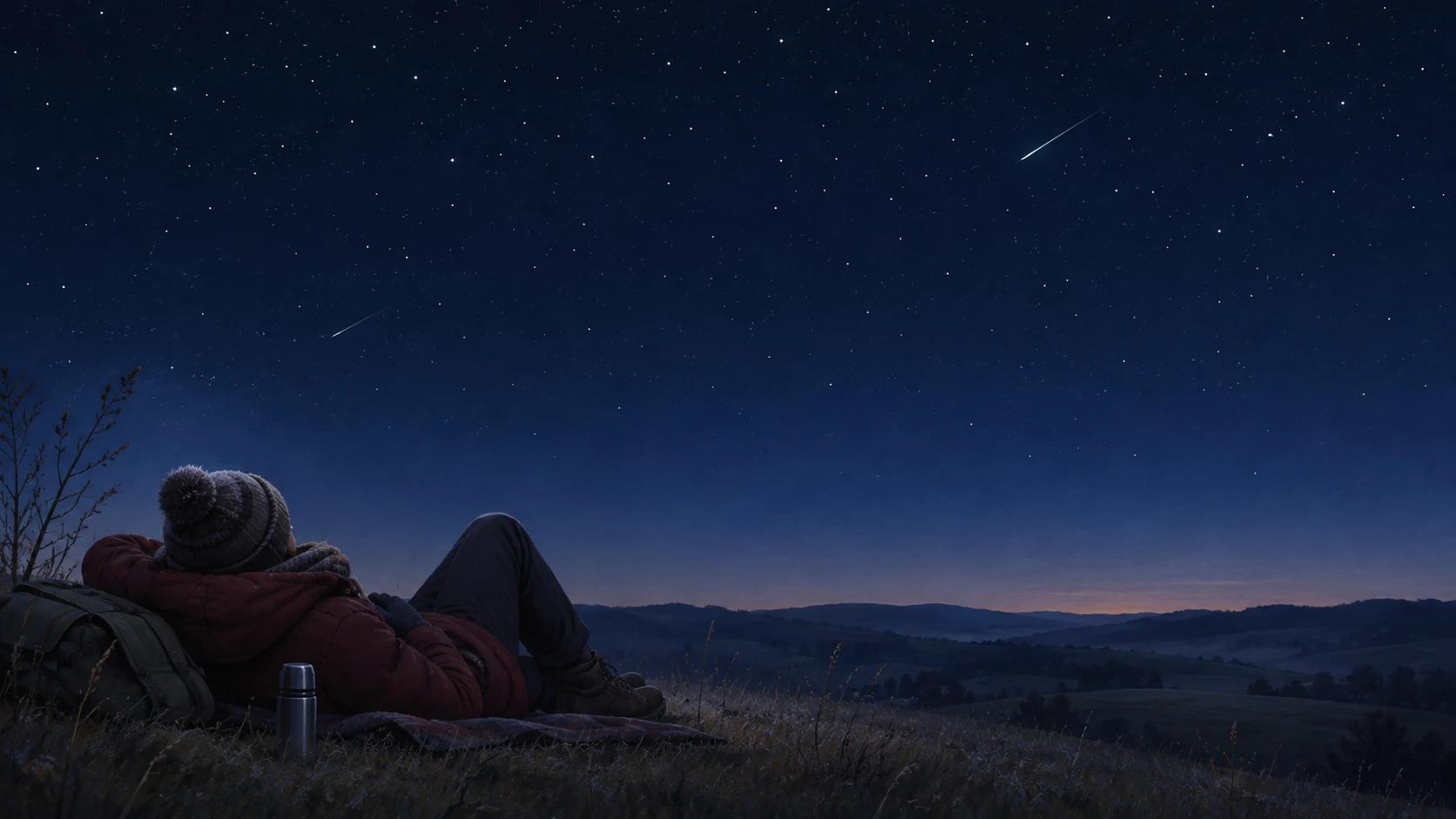
For a comfortable watch, choose somewhere away from streetlights, bring warm layers and use a reclining chair or blanket. Give your eyes about half an hour to adjust to the darkness. Settling in for a longer look is a better plan than expecting a meteor in the first few minutes.
Primary sourceNASA: “NASA’s November skywatching guide”End of story