


NOAA records 8,058 marine-mammal strandings and explains when to call for help
The newly released 2025 tally covers whales, dolphins and seals under NOAA’s jurisdiction, while guidance stresses that beach visitors should give animals space.
How this story was made
This story was written with AI assistance from NOAA Fisheries’s source documents. Its figures and quotations were checked against their sources, and Digitalage Desk reviewed and approved it before publication. It is published under the name of Peter Michaels, Editor.
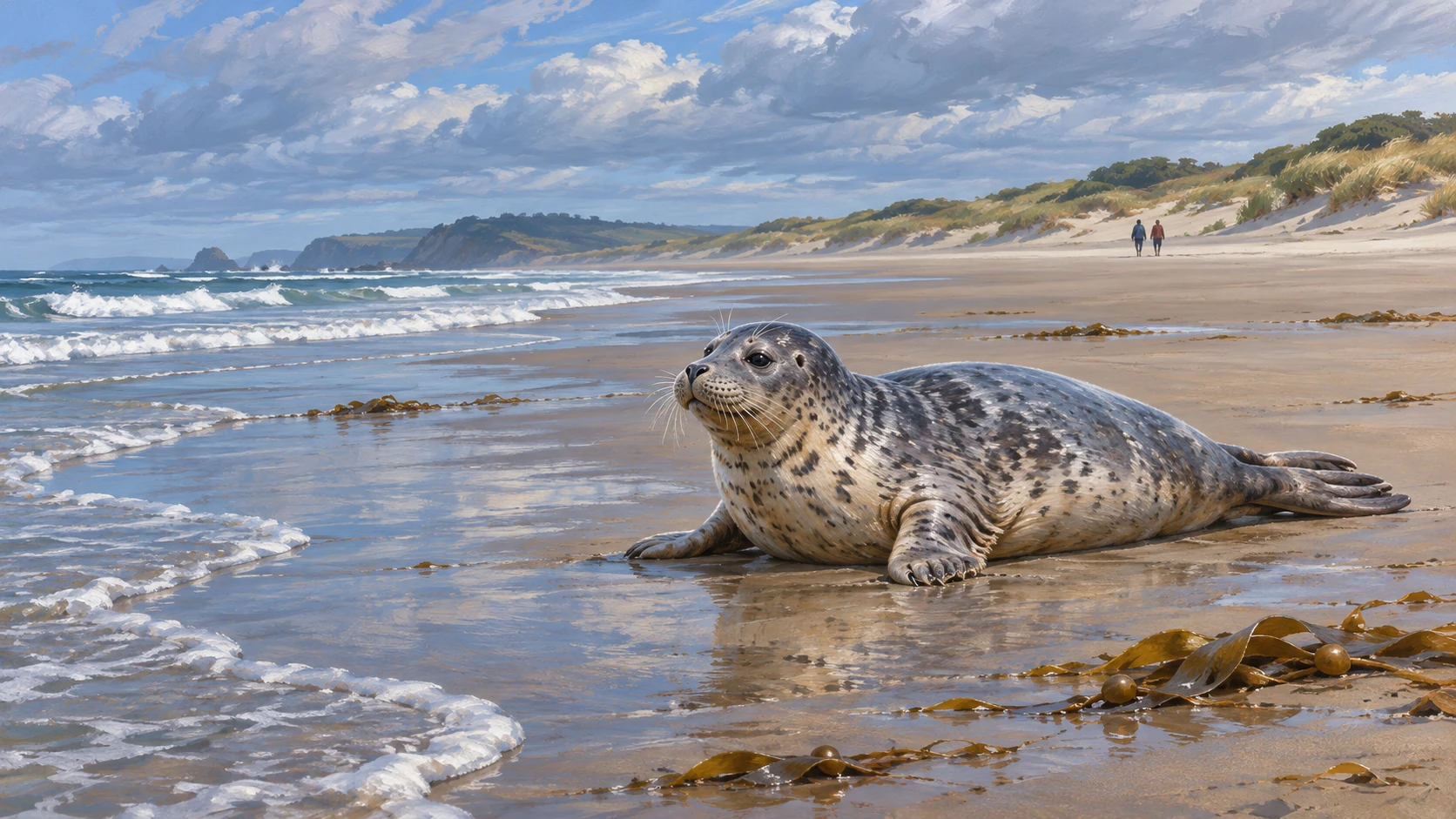
NOAA Fisheries has reported 8,058 confirmed marine-mammal strandings in the United States during 2025, a total that includes dead animals and live animals needing assistance. The annual report’s November 13 summary covers whales, dolphins, porpoises, seals and sea lions under the agency’s jurisdiction.
The agency highlights an early-2025 harmful algal bloom off Southern California that led to more sick and dead animals washing ashore, particularly California sea lions and common dolphins. That event is one contributor, not an explanation for every stranding in the nationwide total.
Primary sourceNOAA Fisheries: “2025 Report of Marine Mammal Strandings in the United States”For visitors who see a sick, injured, entangled or dead animal, NOAA’s reporting guidance recommends immediately contacting the local stranding network. Its national directory provides regional and state contacts so a report can reach trained responders. Keep people and pets at least 50 yards, or 150 feet, away while seeking help.
NOAA asks observers for the location, time, number of animals, apparent condition and safely taken photographs. Leave approach and handling to authorized responders, who can assess what assistance an animal needs.
The agency’s general wildlife-viewing guidelines also recommend at least 50 yards from seals and sea lions, including pups. A curious young animal may approach, but its mother can be nearby and may perceive interaction as a threat. NOAA recommends limiting observation to 30 minutes or less because continued human presence can cause stress.
That distance is a general guide for these shore encounters, not a substitute for stricter local or species-specific requirements. The viewing guidance explains that some whales require substantially greater separation. Anyone planning wildlife watching should check the rules for the place and animal involved before approaching the area.
End of story