


EU and UK agree to link carbon markets, with January 2028 start conditional on ratification
The agreement could change carbon costs for businesses on both sides of the Channel, but a planned border-tax exemption is not yet automatic.
How this story was made
This story was written with AI assistance from climate.ec.europa.eu’s source documents. Its figures and quotations were checked against their sources, and Digitalage Desk reviewed and approved it before publication. It is published under the name of Peter Michaels, Editor.
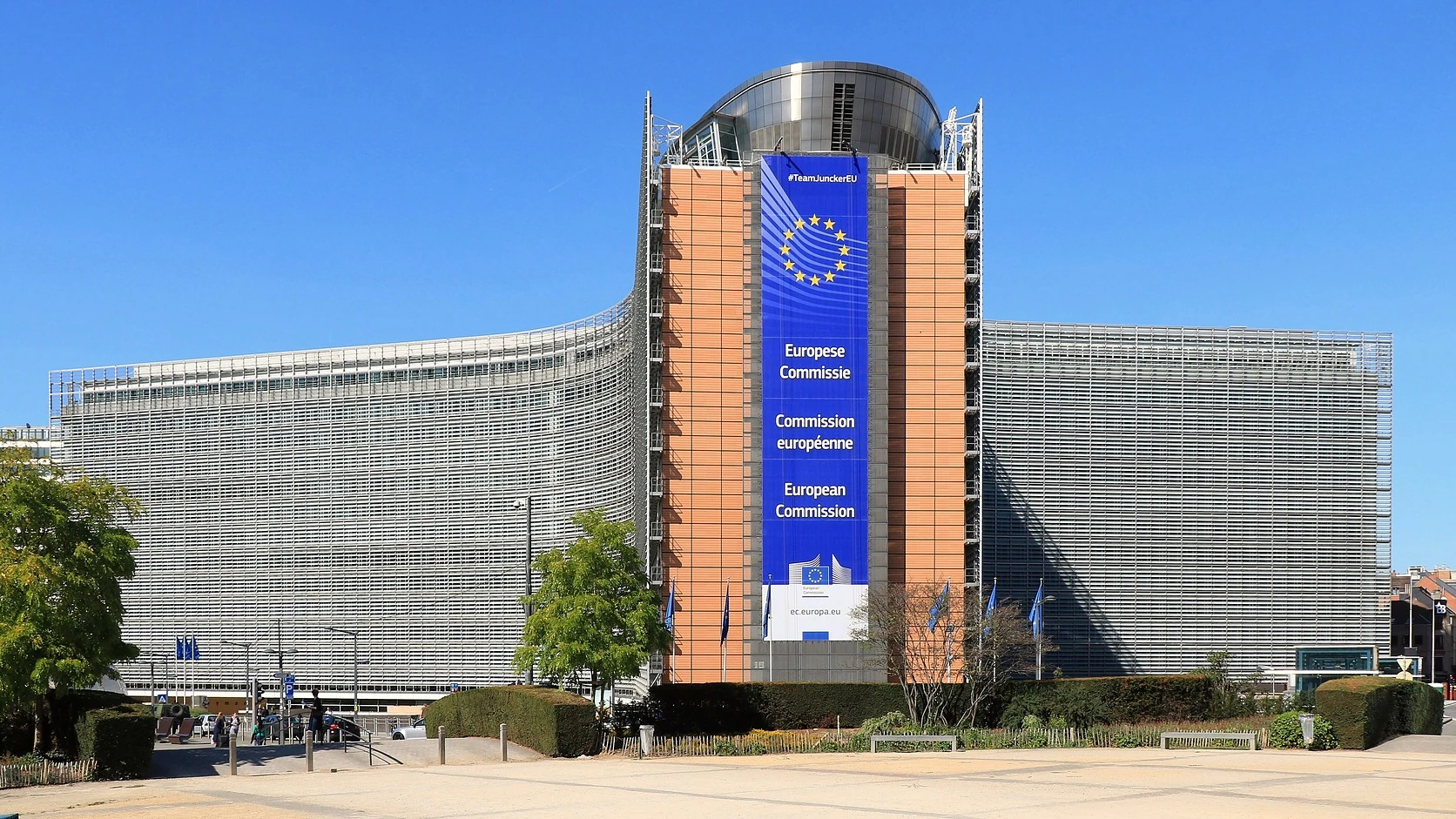
European Union and United Kingdom leaders announced on November 20 that negotiators had finalized an agreement to link their emissions trading systems, with a planned application date of January 1, 2028. The start date depends on ratification and the agreement entering into force in both jurisdictions.
The European Commission announcement describes the deal as a step toward a larger carbon market. It does not say the two systems are already linked or that new cross-border exemptions take effect immediately.
What businesses need to distinguish
There are three separate milestones: the negotiated text, ratification in both jurisdictions, and any later carbon-border exemption. The Commission’s November 20 account explicitly makes the January 2028 application conditional. It also calls a mutual carbon-border exemption a “possible future” result, rather than a consequence already in force.
Primary sourceclimate.ec.europa.eu: “climate.ec.europa.eu: negotiations finalised link eu and uk emissions trading systems 2026 11 20 en”What linking would change
Emissions trading systems require covered businesses to account for greenhouse gas emissions through allowances. Linking systems is intended to make carbon pricing more consistent across participating markets and expand the pool of allowances and participants.
The Commission says the United Kingdom will expand its system to cover additional aviation and maritime activity. It estimates that more than 10 million tonnes of existing carbon dioxide emissions will become covered, not that pollution will increase by that amount. Both markets would also monitor non-carbon-dioxide climate effects from aviation.
The Commission expects a larger, more liquid market to support investment decisions and create more comparable rules for businesses operating across the Channel. Those are projected benefits, not independently measured outcomes of a system that has not yet begun operating under the agreement.
Border charges remain a separate legal step
A second potential consequence concerns carbon border adjustment mechanisms, which are designed to address differences in carbon costs on imported goods. The Commission says linking the markets could provide a basis for mutual exemptions.
But an exemption requires additional legal action. The Commission’s customs and taxation explanation says the United Kingdom would need to be added to the relevant annex of the EU carbon border regulation after the linking agreement enters into force and the necessary procedures are completed. A corresponding approach is expected in the United Kingdom.
That distinction matters for manufacturers and importers: the November announcement is not itself an immediate waiver of border charges.
The EU has operated a linked carbon market with Switzerland since January 2020. Officials say that arrangement will remain in place.
The new EU-UK agreement is a substantial political development, but its economic effects depend on the final legal steps and implementation.
End of story