


EU opens infringement cases over deforestation rule enforcement
The European Commission’s November enforcement package includes formal notices to member states, but those notices are not court findings or automatic penalties.
How this story was made
This story was written with AI assistance from Eurostat’s source documents. Its figures and quotations were checked against their sources, and Digitalage Desk reviewed and approved it before publication. It is published under the name of Peter Michaels, Editor.
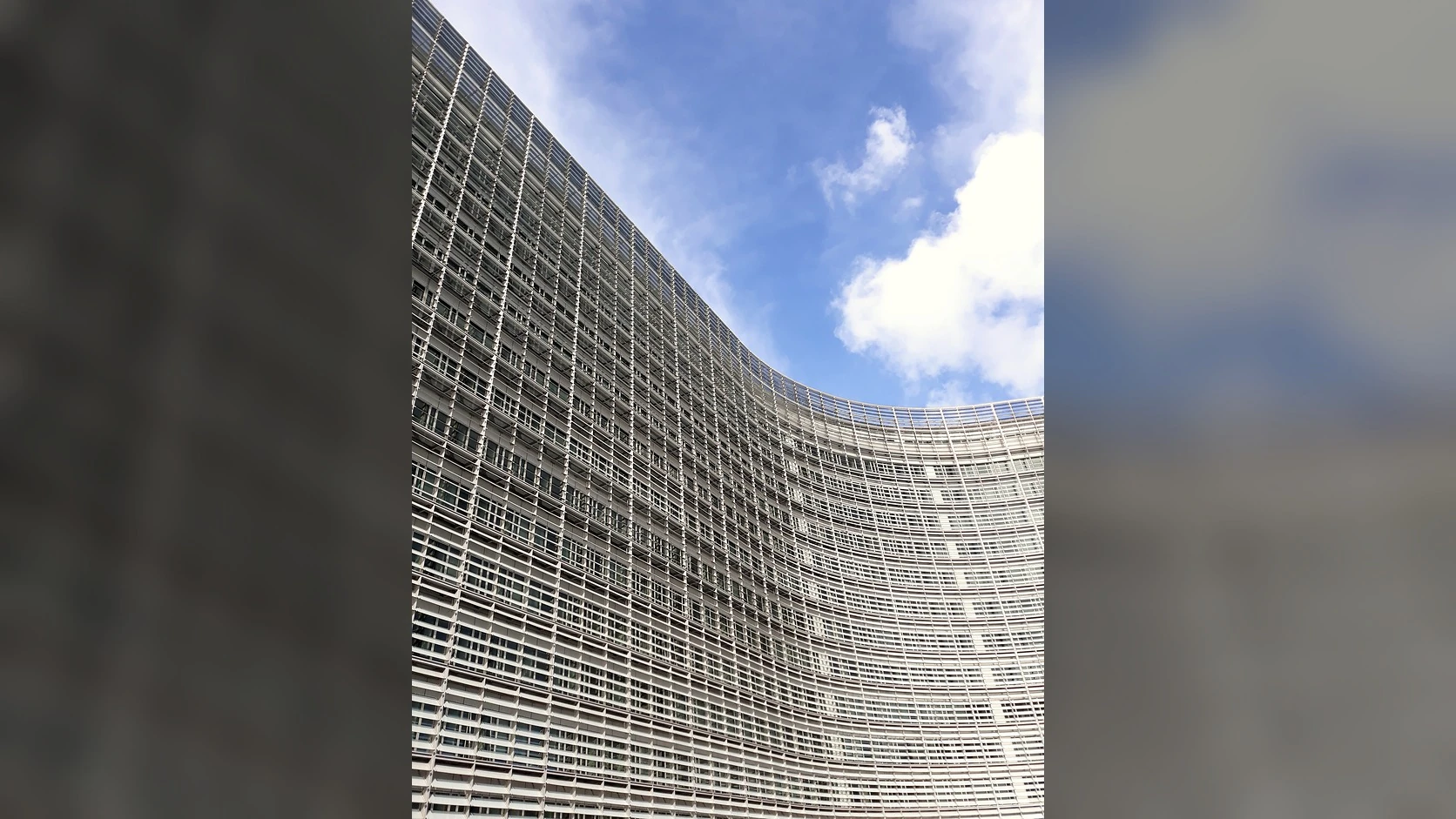
The European Commission opened infringement procedures against Bulgaria, Greece, Malta and Poland on November 19 over their implementation of the European Union’s Deforestation Regulation.
The Commission says the four countries did not fully meet requirements to designate competent authorities responsible for applying the regulation and notify Brussels. The alleged gaps vary by country, and the opening notices do not amount to a judicial finding that any government has violated EU law.
The action forms part of the Commission’s regular November infringement package, which spans multiple policy areas.
What the Commission alleges
According to the official November infringement decisions, EU countries were required by December 30, 2023, to designate one or more competent authorities for the Deforestation Regulation and inform the Commission.
Those authorities are meant to check whether relevant operators and traders comply with the law and, where necessary, order corrective measures or penalties.
The Commission says Bulgaria designated competent authorities for the regulation’s covered commodities except rubber. For Greece, Malta and Poland, the Commission says each failed to designate competent authorities, notify it of the designation, or both.
Each government now has two months to respond to the letter of formal notice and address the identified shortcomings. If the Commission is not satisfied, it may issue a reasoned opinion, a further procedural step. Referral to the EU Court of Justice is possible later, but it is not automatic.
Why the rubber exception matters
The four countries are not accused of exactly the same administrative failure. Bulgaria has named authorities for the other covered commodities but not rubber; the Commission describes broader designation or notification gaps in Greece, Malta and Poland. That difference matters because it identifies which national enforcement arrangements Brussels says are missing, rather than suggesting that all four countries have failed every part of the regulation.
Primary sourceEurostat: “European Commission - Infringements decisions November infringements package: key decisions”A larger enforcement package
The Commission’s November 19 daily news bulletin reports 49 letters of formal notice, 27 reasoned opinions and three decisions to refer cases to the Court of Justice across the month’s package.
It also reports 55 case closures where the Commission says the relevant issues were resolved. Those totals describe separate procedural actions, not 49 proven violations or 55 findings of wrongdoing.
The Deforestation Regulation seeks to limit the contribution of goods placed on the EU market to deforestation and forest degradation. Designating enforcement authorities is one part of implementing that framework.
The next observable step is each government’s response within the two-month window. A reasoned opinion or court referral would require further Commission action; neither follows automatically from the notices.
End of story