


Human lung chip reveals how excessive stretching can worsen flu complications
A laboratory model links immune cells and mechanical strain to lung injury, offering an experimental route for investigating secondary infections.
How this story was made
This story was written with AI assistance from Nature’s source documents. Its figures and quotations were checked against their sources, and Digitalage Desk reviewed and approved it before publication. It is published under the name of Peter Michaels, Editor.
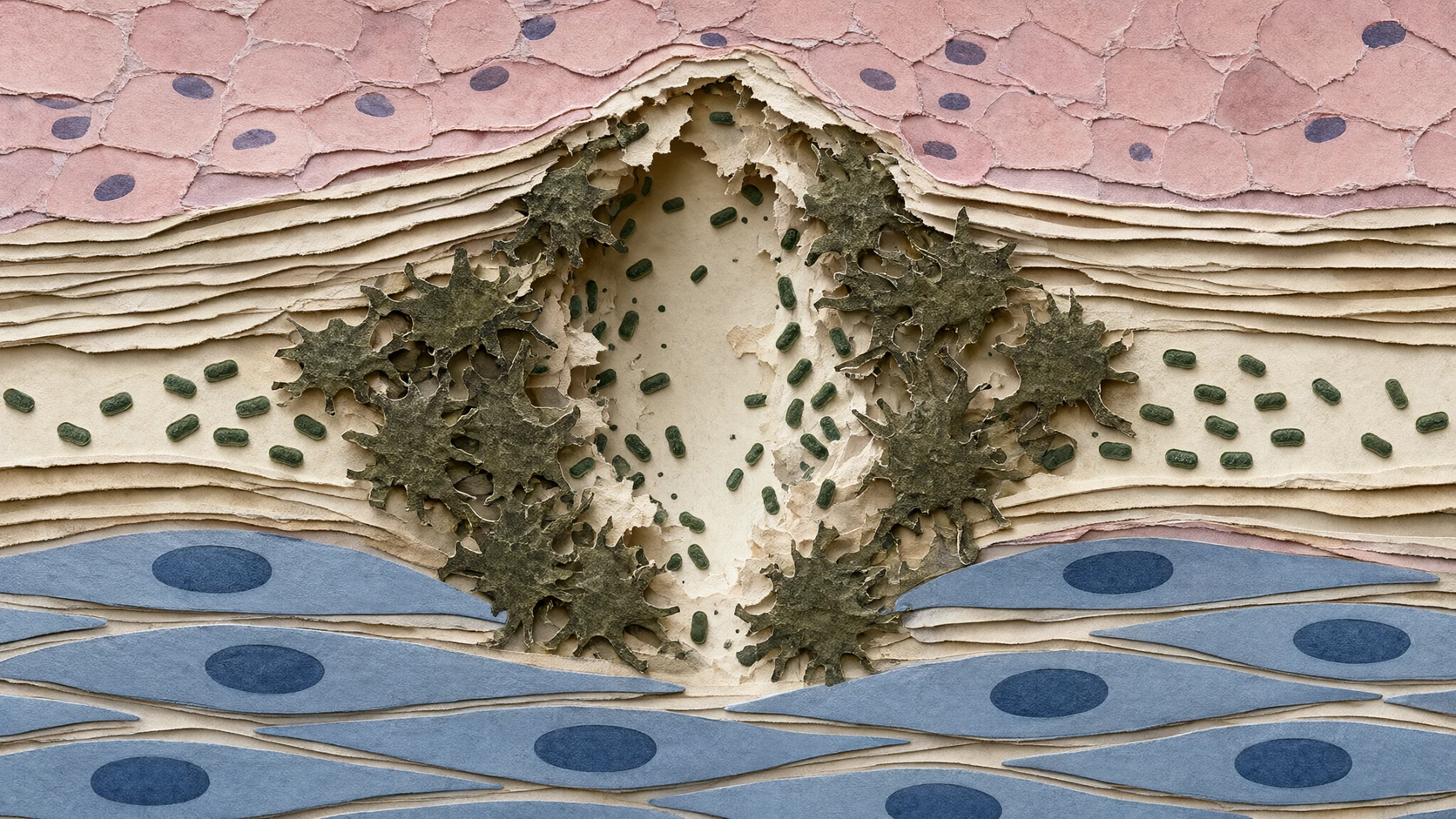
A miniature model built with living human cells has reproduced key features of severe influenza and the bacterial infections that can follow it, according to research published November 19 in Nature Communications.
Recreating an infection outside the body
The technology uses channels lined with cells to reproduce selected functions of an organ. The Wyss Institute at Harvard describes its organ chips as clear, flexible devices roughly the size of a USB memory stick, built using techniques adapted from microchip manufacturing.
Fluid channels and living tissue allow researchers to examine interactions that would be difficult to isolate inside a person. The devices are laboratory research tools, rather than miniature complete organs or implants. Wyss researchers developed their first living human lung chip in 2010 and subsequently extended the approach to organs including the intestine and kidney.
In the new study, lung lining and blood-vessel cells were combined with macrophages, a type of immune cell. Macrophages intensified virus-related injury. Normal breathing-like strain supported tissue stability, while excessive stretching promoted secondary infection by Pseudomonas aeruginosa bacteria.
The distinction concerns the forces applied to the model. The National Heart, Lung, and Blood Institute explains that ventilators support people who struggle to breathe or get enough oxygen into their blood. Clinicians control the amount and frequency of air delivered; ventilation also carries risks, including pneumonia.
A possible target for further experiments
Computational analysis and laboratory testing identified SIRT1 as a possible regulator of inflammation and susceptibility to secondary infection. Drugs activating it reduced those problems in the model.
Primary sourceNature: “Macrophage-exacerbated viral lung injury and mechanical overdistension-driven bacterial superinfection replicated in a human lung chip”Organ chips are already used in drug-development research. Wyss says its technology is being applied to influenza and other diseases, with commercial development through Emulate. The new paper discloses several authors’ connections to that company, including senior author Donald Ingber’s equity and board roles.
End of story