


Google brings interactive Genie 4 worlds to AI Ultra subscribers
The experimental update adds live scene changes and generated sound, while access depends on subscription, age and usage limits.
How this story was made
This story was written with AI assistance from Google’s own announcement. Its figures and quotations were checked against their sources, and Digitalage Desk reviewed and approved it before publication. It is published under the name of Peter Michaels, Editor.
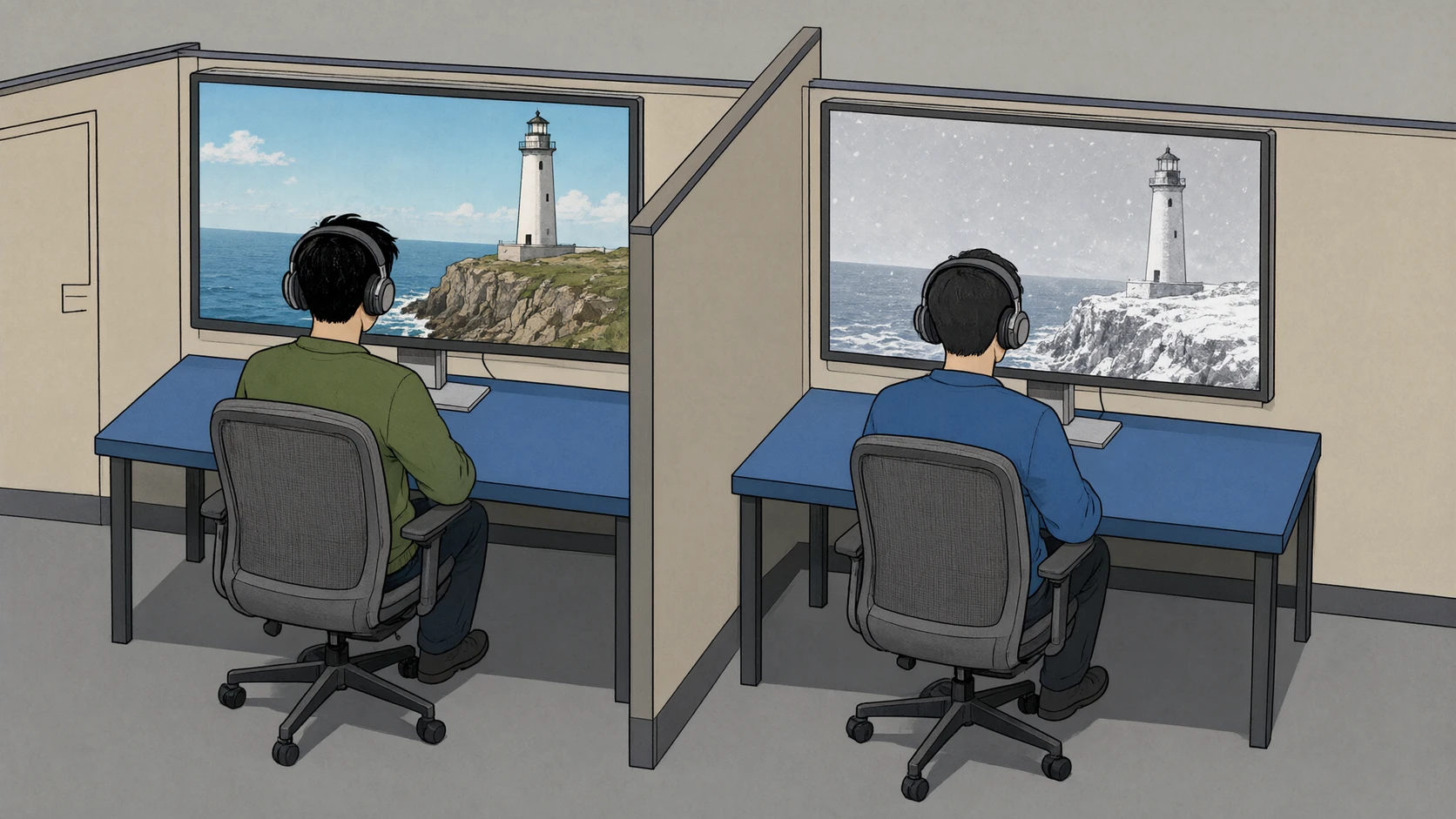
Google began rolling out Genie 4 to eligible Google AI Ultra subscribers on November 18, 2026, giving users of its Project Genie service new ways to alter an AI-generated world while exploring it.
The update lets users type instructions during a session to change the weather, introduce characters or redirect events. It also adds sound generated alongside the visuals, including environmental audio and character dialogue, according to Google.
Primary sourceGoogle: “Genie 4 is now available”More control, with different model limits
Project Genie runs in a browser. Its new creative agent helps assemble experiences from conversational instructions, and a community gallery lets people discover, share and remix worlds.
The update also expands the older Genie 3 model. That model can now run for up to three minutes per generation, compared with 60 seconds previously, and accepts panoramic images as starting points. The three-minute allowance is a Genie 3 feature; Google does not present it as a universal Genie 4 session length.
Google says world generation currently does not consume users’ AI credits because Project Genie remains an early research prototype. Daily usage limits still apply, vary with plan and demand, and can prevent another generation until the following day. Heavy demand can also mean waiting for a turn.
Experimental worlds and public sharing
DeepMind’s Genie 4 model card describes output of 720p video at up to 24 frames per second with synchronized audio. It also identifies unresolved problems with physical interactions, spatial accuracy, readable text and consistent audio.
Objects and visual details can change unexpectedly as sessions continue or users make complex edits. Those limitations matter for anyone expecting a generated environment to preserve its layout and behavior throughout an experience.
Sharing also exposes more than the finished scene. Google’s help page says that when creators share or publish an experience and allow remixing, other users can see and reuse its prompts, images and other assets. Creators can make experiences private or switch off remixing.
End of story