


Glucose-powered implant improves blood-sugar control in rat experiments
The prototype uses the body’s sugar supply to power nerve stimulation, but the animal findings do not establish a treatment for people.
How this story was made
This story was written with AI assistance from Nature’s source documents. Its figures and quotations were checked against their sources, and Digitalage Desk reviewed and approved it before publication. It is published under the name of Peter Michaels, Editor.
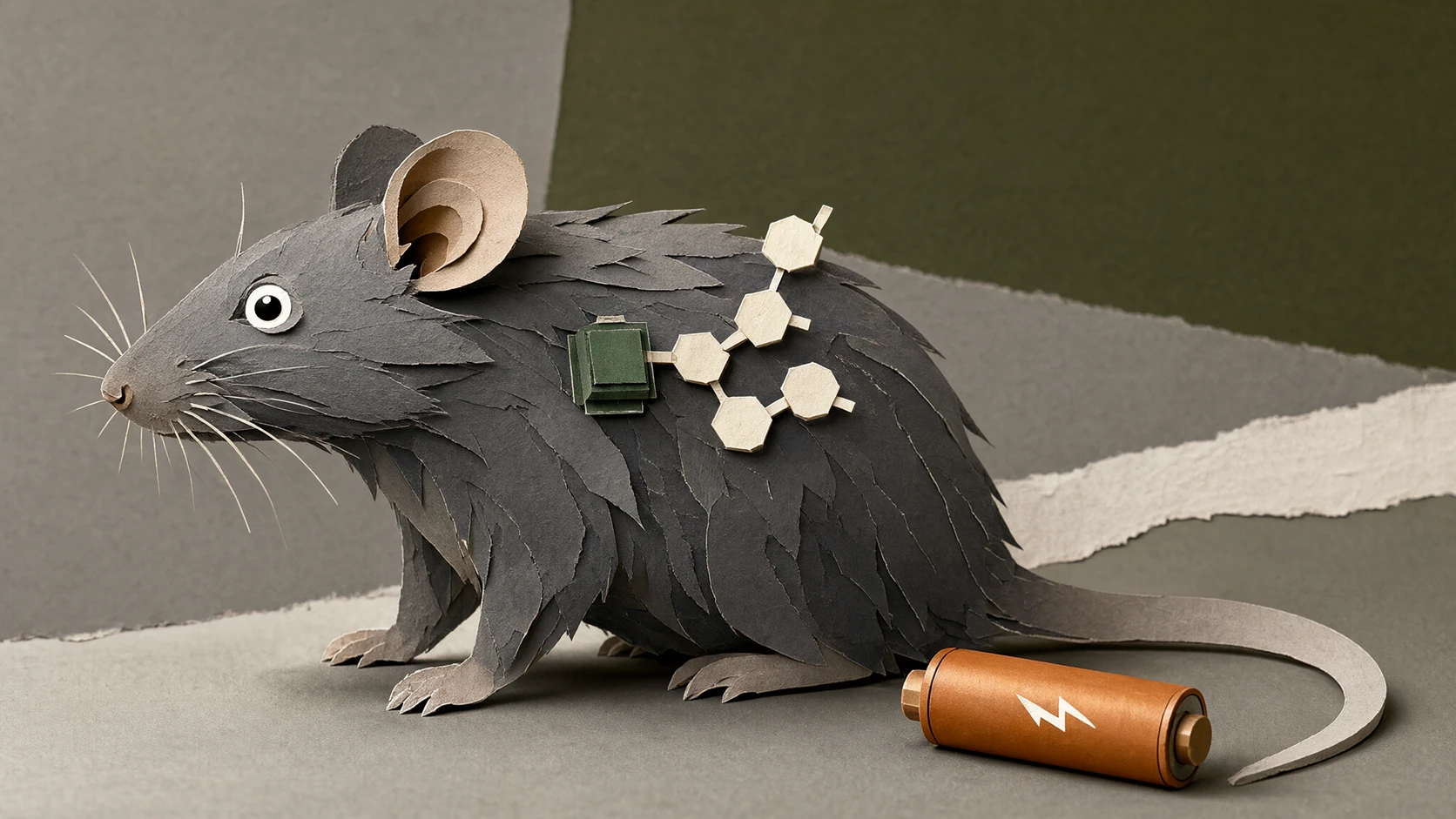
An experimental implant powered by glucose improved blood-sugar control in rat models of diabetes, offering an early demonstration of a device that responds automatically to changes in metabolism.
The study, published November 18 in Nature, describes NeuroAxis, a system that operates without batteries or wireless power transfer. Its energy comes from glucose already present in the body.
Linking metabolism and nerve signals
An accompanying Nature commentary describes the device as a proof of principle: it stimulates the vagus nerve, a major connection between the brain and internal organs, when blood sugar is high.
Primary sourceNature: “Nature: s41586 026 11251 7”The distinction matters because managing diabetes involves more than supplying energy to cells. The National Institute of Diabetes and Digestive and Kidney Diseases explains that insulin helps glucose enter cells; when insulin is absent, insufficient or used poorly, glucose can remain elevated in the bloodstream.
In type 1 diabetes, the immune system destroys insulin-producing pancreatic cells. In type 2, cells do not use insulin properly and the pancreas may not supply enough to maintain normal glucose levels.
Promising animal results, substantial limits
The researchers reported improved glucose tolerance and insulin sensitivity in both rat models. The type 1 experiments showed recovery of insulin-producing cells and reduced inflammatory responses; the type 2 experiments showed changes in immune cells and lower chronic inflammation.
The study’s reported inflammation and metabolic-marker analyses included experiments with five animals per group. These are preclinical observations, not evidence of safety or effectiveness in human patients.
The authors also disclosed a National University of Singapore patent application involving three researchers. The work establishes an experimental approach, with human benefits still to be demonstrated.
Existing care remains consequential: NIDDK explains that people with type 1 diabetes need insulin to stay alive. The rat findings do not establish that nerve stimulation can replace that treatment.
End of story