


France’s diesel relief depends on retailers passing reserve savings to drivers
The government’s fuel-stock plan targets lower pump prices, while a separate loan scheme helps small stations finance purchases.
How this story was made
This story was written with AI assistance from French Ministry of the Economy’s source documents. Its figures and quotations were checked against their sources, and Digitalage Desk reviewed and approved it before publication. It is published under the name of Peter Michaels, Editor.
Not investment advice.
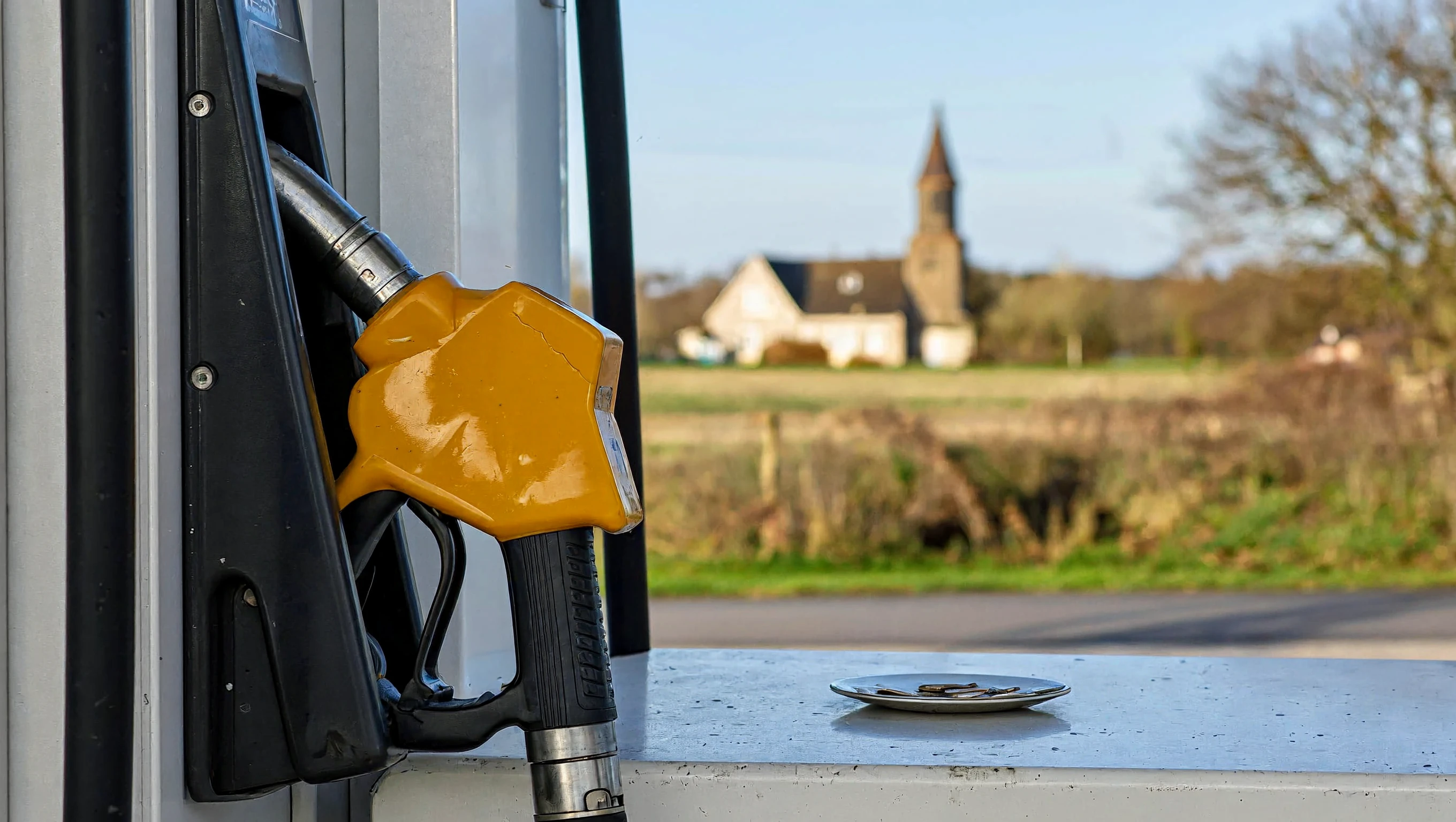
France’s effort to lower diesel prices depends on a chain of suppliers and retailers passing cheaper reserve fuel through to drivers. The government has arranged the release of 10 million barrels from strategic stocks, with an announced objective of reducing pump prices by up to 18 euro cents a liter, or possibly more.
The Finance Ministry’s November 1 announcement says the fuel is being sold at its historical acquisition cost. The resulting benefit must reach the final customer in full rather than become an additional margin for intermediaries. It should be visible in the pump price or the customer’s invoice.
Primary sourceFrench Ministry of the Economy: “Libération des stocks stratégiques: baisse des prix à la pompe”For drivers, the most useful comparison remains the actual price of the required fuel near their route. Service-Public explains the official fuel-price comparison service, which lets users search by town, postal code or department and filter for brand and services. It can also identify stations along a planned journey.
Retailers report price changes to that system, which also carries availability information. Checking both the displayed update and fuel availability is more useful than assuming a national announcement has already reached a particular forecourt. Local posted prices remain the test of what a particular driver will pay.
Small station operators have a different immediate problem: paying for new stock. A separate government support scheme covers eligible independent rural stations selling less than 1,200 cubic meters annually, as well as stations in overseas departments. They can seek loans from their bank or Bpifrance, with the state covering interest on borrowing of up to €5,000 per station.
What’s next · Nov. 20, 2026
That support pays loan interest, not the borrowed principal. Eligible loan contracts must be signed between October 20 and November 20, 2026. In guidance published on November 4, 2026, the ministry said the ASP payments agency would operate the interest-reimbursement window and that its opening timetable had yet to be specified.
End of story