


EU digital-services board puts fraudulent ads and online scams on its agenda
Regulators are discussing clearer advertising libraries and possible industry commitments, but the proposals are not yet binding rules.
How this story was made
This story was written with AI assistance from European Commission’s source documents. Its figures and quotations were checked against their sources, and Digitalage Desk reviewed and approved it before publication. It is published under the name of Peter Michaels, Editor.
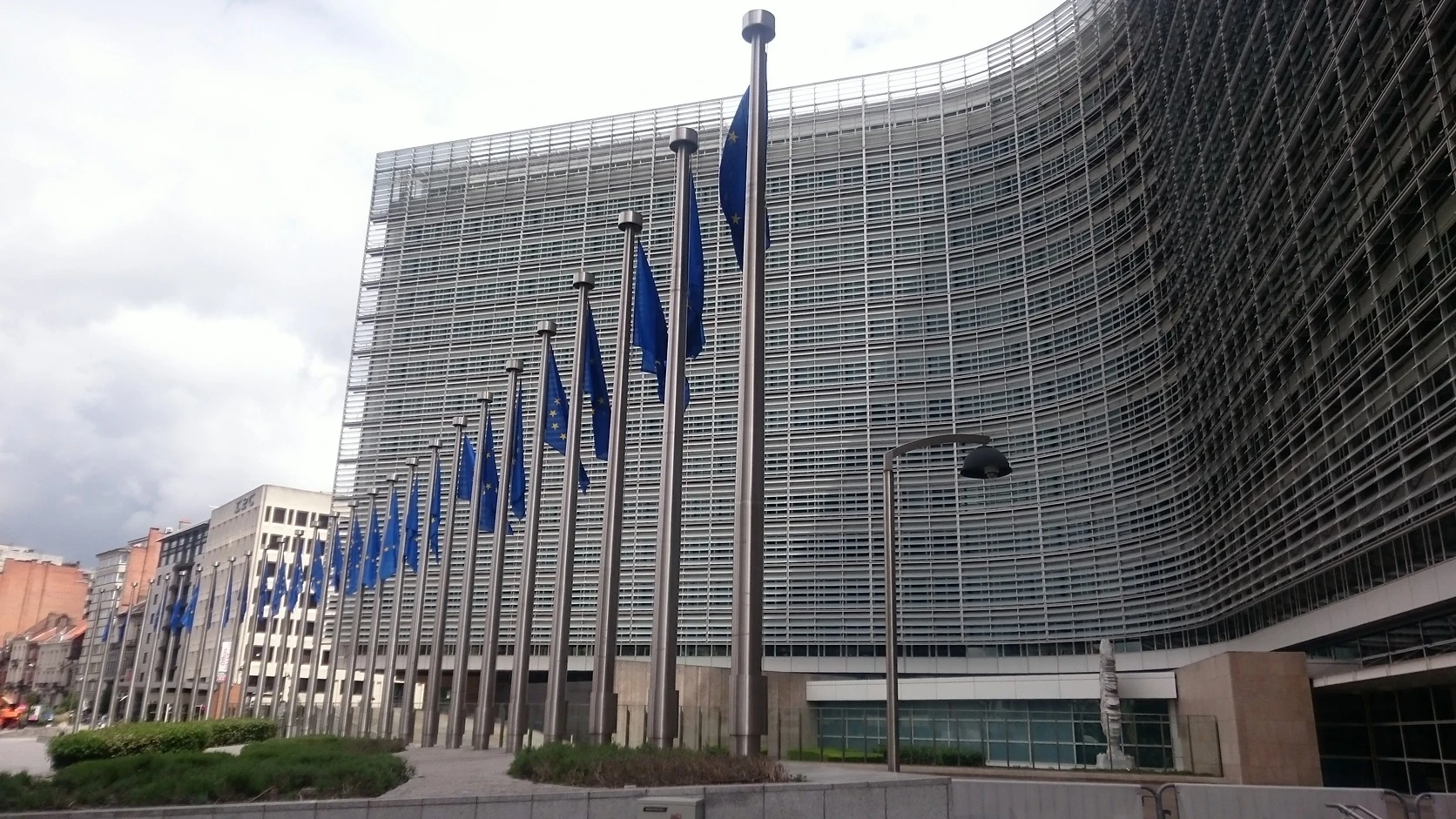
The European Board for Digital Services has renewed its focus on online scams and fraudulent advertising, saying better transparency and cooperation are needed to reduce risks faced by users of online platforms.
At its November 19 meeting in Brussels, the board discussed a possible code of conduct involving financial-sector participants, online platforms and other stakeholders. The discussion took place under the Digital Services Act, or DSA, and alongside work on forthcoming payment-services rules.
No finalized code was announced. The board described exploratory engagement, not a new requirement that companies have already accepted.
Advertising records under scrutiny
One concern is the role fraudulent advertisements can play in spreading scams. The board welcomed the European Commission’s commitment to draft guidance concerning Article 39(3) of the DSA.
Primary sourceEuropean Commission: “European Commission: press statement european board digital services following its 21st meeting”The board did not announce that the draft guidance had been adopted. **The proposed code of conduct and advertising-library guidance are separate tracks:** one concerns cooperation among stakeholders, while the other concerns the structure and transparency of advertising records.
A broader 2027 work program
The board also adopted its annual work plan for 2027, setting out **six priorities: three thematic and three horizontal**. Its thematic priorities include protecting minors online, strengthening consumer protection and tackling illegal content, and enhancing trust in the information space.
Members discussed updates to election-related guidance, expected before the end of the year, and development of a crisis and incident protocol. Those are ongoing workstreams, distinct from the adopted annual plan.
For users, the meeting is evidence that platform fraud remains a regulatory priority. For companies, it signals potential additional expectations around advertising transparency and cooperation. The practical effects will depend on the final wording of guidance, any voluntary commitments, and subsequent enforcement.
End of story