


Eritrea reaches a milestone against trachoma, a preventable cause of blindness
WHO has validated elimination as a public-health problem after sustained treatment and sanitation work, while surveillance and care continue.
How this story was made
This story was written with AI assistance from World Health Organization’s source documents. Its figures and quotations were checked against their sources, and Digitalage Desk reviewed and approved it before publication. It is published under the name of Peter Michaels, Editor.
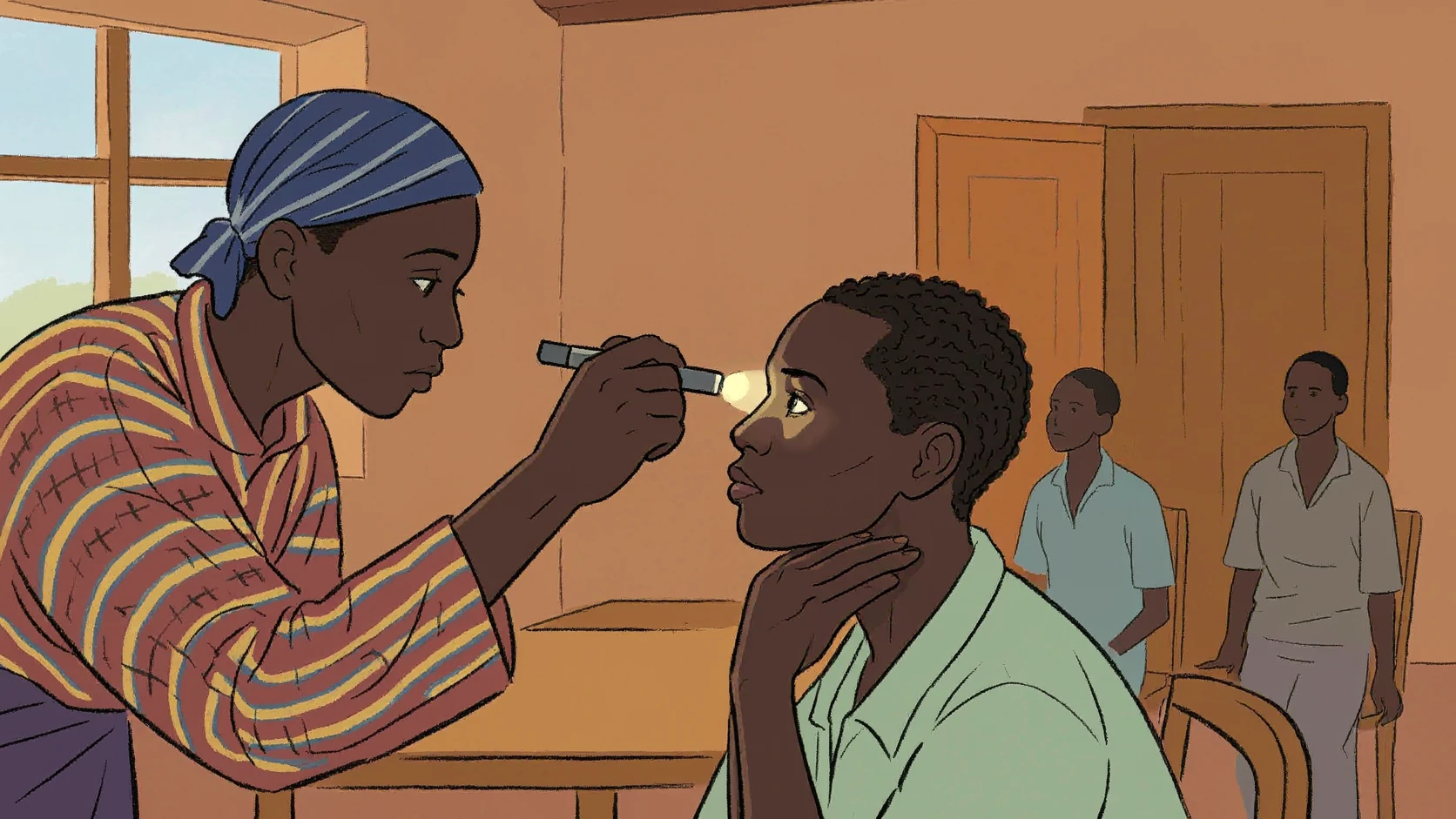
Eritrea has reached an important milestone against an eye infection that can cause blindness. The World Health Organization said November 16 it had validated the country’s elimination of trachoma as a public-health problem, making Eritrea the 34th country worldwide and 11th in WHO’s African Region to receive that recognition.
Primary sourceWorld Health Organization: “World Health Organization: 16 11 2026 eritrea eliminates trachoma a major public health milestone”Trachoma spreads through contact with infected eye or nasal discharge, including on hands and shared materials, and through certain flies, according to WHO’s disease factsheet. Repeated infections can scar the inner eyelid until eyelashes turn inward and rub against the eye. That painful stage can permanently damage vision.
Eritrea surveyed all 58 sub-zobas, its second-level administrative areas, and targeted communities where interventions were needed. Its program combined surgery, antibiotics, facial cleanliness and improvements to water and sanitation, the components of WHO’s SAFE strategy. Digital collection and mapping tools helped health workers identify affected communities, including remote locations.
Validation requires more than delivering treatments. In each formerly endemic district, WHO requires an active-trachoma sign to affect fewer than 5% of children ages 1–9 for at least two years without ongoing mass antibiotic treatment. Another threshold concerns advanced eyelash-related disease unknown to the health system: below 0.2% among people 15 and older. A funded system must also be able to find and manage new cases.
The global work remains substantial. WHO’s 2025–2026 progress report put the population living in areas requiring key trachoma interventions at about 92 million on March 20, 2026. National programs reported antibiotic treatment for 47.4 million people during 2025. These measure different periods and populations, so the treatment number is not a share of the later risk estimate.
The same report describes ongoing challenges, including disease that persists or returns, population displacement and communities in places affected by conflict. Progress therefore depends on services remaining available after a country’s validation, as well as on reaching populations still needing intensive interventions.
For Eritrea, the next stage is sustaining that capacity: finding new cases, providing care and monitoring communities so that the public-health gains endure.
End of story