


At COP31, the climate-finance debate turns to how money reaches countries
On November 13, 2026, UN climate chief Simon Stiell urged easier access to affordable climate finance.
How this story was made
This story was written with AI assistance from UNFCCC’s source documents. Its figures and quotations were checked against their sources, and Digitalage Desk reviewed and approved it before publication. It is published under the name of Peter Michaels, Editor.
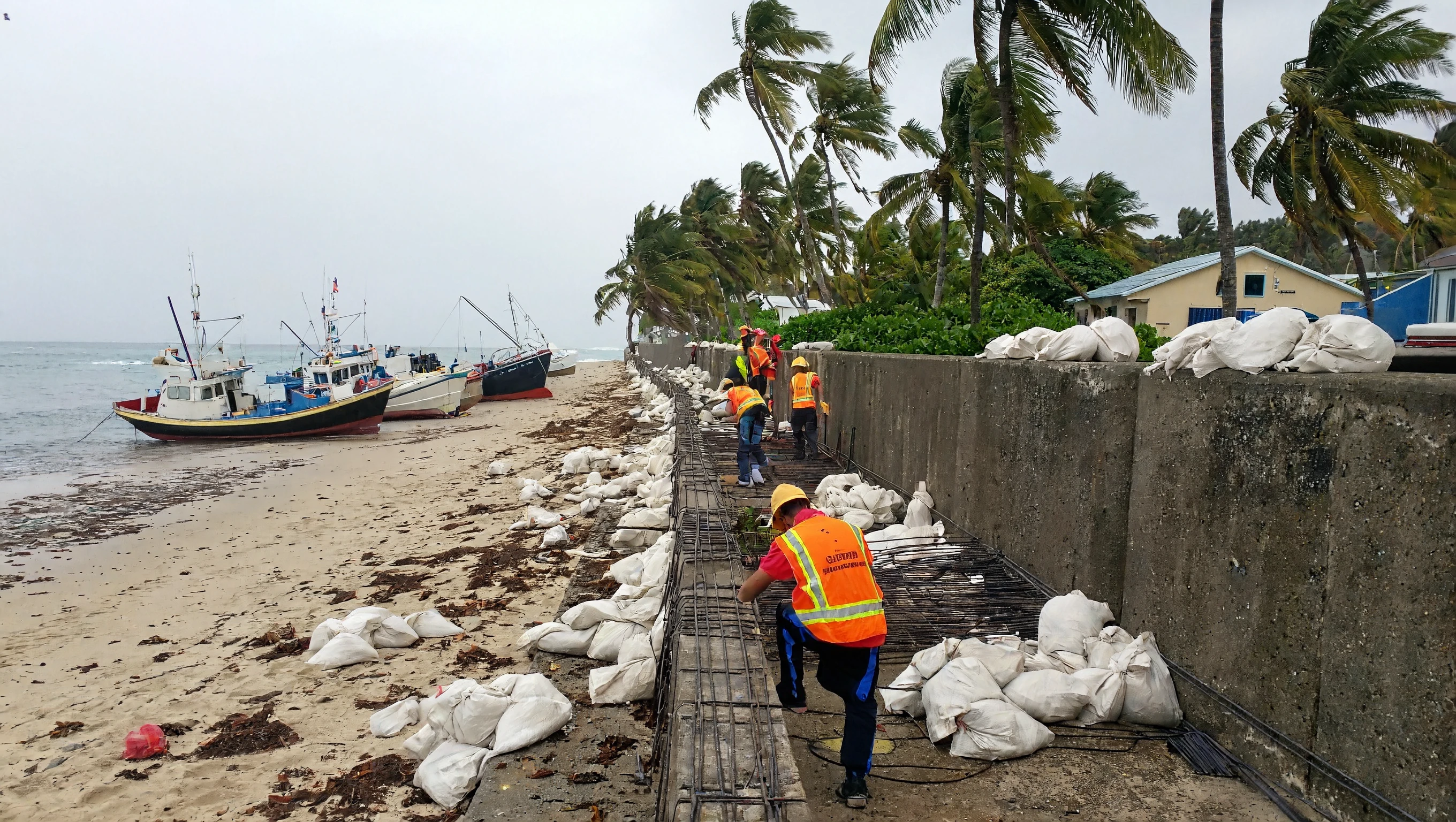
In his November 13, 2026 finance speech, UN climate chief Simon Stiell pressed governments to make climate finance easier to obtain and more useful to countries already struggling with debt, expensive borrowing and the cost of recovering from disasters.
In a November 14 midpoint press conference at COP31 in Antalya, Türkiye, Stiell said access to finance and electrification were prominent issues. He urged negotiators to tackle the hardest questions promptly and avoid delaying tactics as the conference moved toward its second week.
The scale of the ambition is already established. The COP29 finance decision set a goal of at least $300 billion a year by 2035 for climate action in developing countries, with developed countries taking the lead. It also called for all actors to help scale financing for climate action in developing countries to at least $1.3 trillion annually by 2035, from public and private sources.
These are annual financing goals for 2035. They do not describe money already transferred to governments or projects at COP31. Both draw on public and private financing from multiple channels.
Primary sourceUNFCCC: “UN Climate Chief at COP31 today: Climate finance must help countries break free”Why it matters
In his November 13 speech, Stiell said grants and highly concessional finance remain critical for vulnerable economies, including small island developing states and the least developed countries. In that speech, he also urged simpler application procedures, coordination among financial institutions and stronger domestic institutions.
The existing Baku to Belém Roadmap provides a framework for scaling finance to support national climate and adaptation plans. Its remit includes grants, concessional finance, instruments that avoid creating debt and measures to give governments more fiscal room. That makes the terms of support, and the institutions able to deploy it, part of the financing challenge.
At the midpoint, Stiell said nearly 200 countries were working through 165 mandates. His appeal linked progress in the negotiating rooms to outcomes such as cleaner power, stronger infrastructure and protection from disasters. Those were the outcomes he urged countries to deliver; the speech itself announced no completed finance settlement.
End of story