


American Cancer Society sets new prostate cancer screening schedules
The updated guideline recommends regular PSA testing by age and risk, with additional checks to limit unnecessary biopsies and treatment.
How this story was made
This story was written with AI assistance from American Cancer Society’s source documents. Its figures and quotations were checked against their sources, and Digitalage Desk reviewed and approved it before publication. It is published under the name of Peter Michaels, Editor.
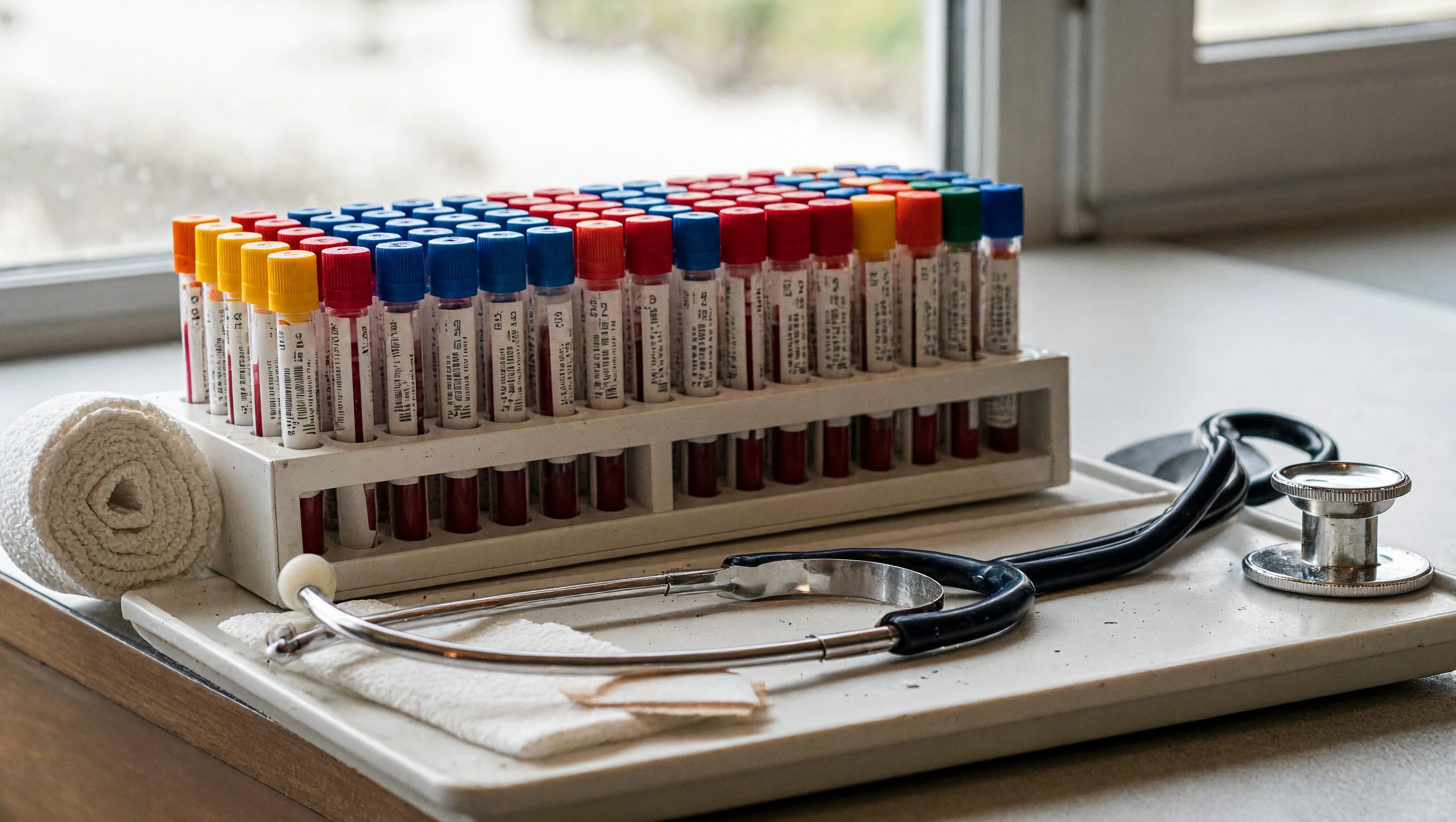
The American Cancer Society has updated its prostate cancer screening guideline for the first time since 2010, setting clearer schedules for blood testing while emphasizing ways to avoid unnecessary procedures and treatment.
In its November 12 explanation of the changes, the society recommends a prostate-specific antigen, or PSA, blood test every two years for average-risk men ages 50 through 69. Black men should begin at 45 and be screened annually through 69, it says.
The full guideline also recommends annual testing from 45 through 69 for non-Black men with a first-degree relative diagnosed before 65, or multiple first-degree relatives diagnosed at any age. For those with one first-degree relative diagnosed at 65 or older, the interval is two years. First-degree relatives include a father, brother or son.
Before screening begins, patients and clinicians should discuss its benefits, limitations and possible harms, the guideline says. These schedules combine trial evidence, modeling and expert judgments. The guideline acknowledges limited direct evidence for the size of screening’s benefit in higher-risk groups. The guideline excludes men with known or suspected hereditary cancer syndromes linked to prostate cancer and directs clinicians to specialty recommendations.
For ages 70 through 74, decisions should reflect health, preferences and the uncertain balance of benefits and harms. Men who continue would be tested every two years. Routine screening is not recommended at 75 or older, or when life expectancy is under 10 years.
A PSA result is a signal for evaluation, not a cancer diagnosis. The society’s testing guide explains that both normal and cancerous prostate cells make PSA. Noncancerous prostate enlargement and inflammation can raise it, and some medicines can lower it. No single cutoff establishes with certainty whether cancer is present.
The guideline recommends repeating an abnormal PSA test, preferably within two weeks to three months. Most persistently elevated results should then be assessed with an MRI and/or a validated biomarker test to help decide whether a biopsy is needed.
Why it matters
Primary sourceAmerican Cancer Society: “What You Need to Know About the Updated Prostate Cancer Screening Guideline”American Cancer Society: “What You Need to Know About the Updated Prostate Cancer Screening Guideline”
Screening is intended for people without symptoms. A biopsy is still needed to establish a prostate cancer diagnosis, and its findings help determine how likely a tumor is to grow and spread quickly. A blood test starts that assessment; it does not settle every decision that follows.
End of story