


Alaska agreement protects nearly 47,500 acres around a vital walrus resting site
A permanent conservation easement near Point Lay safeguards coastal habitat while supporting Alaska Native subsistence traditions.
How this story was made
This story was written with AI assistance from conservationfund.org’s source documents. Its figures and quotations were checked against their sources, and Digitalage Desk reviewed and approved it before publication. It is published under the name of Peter Michaels, Editor.
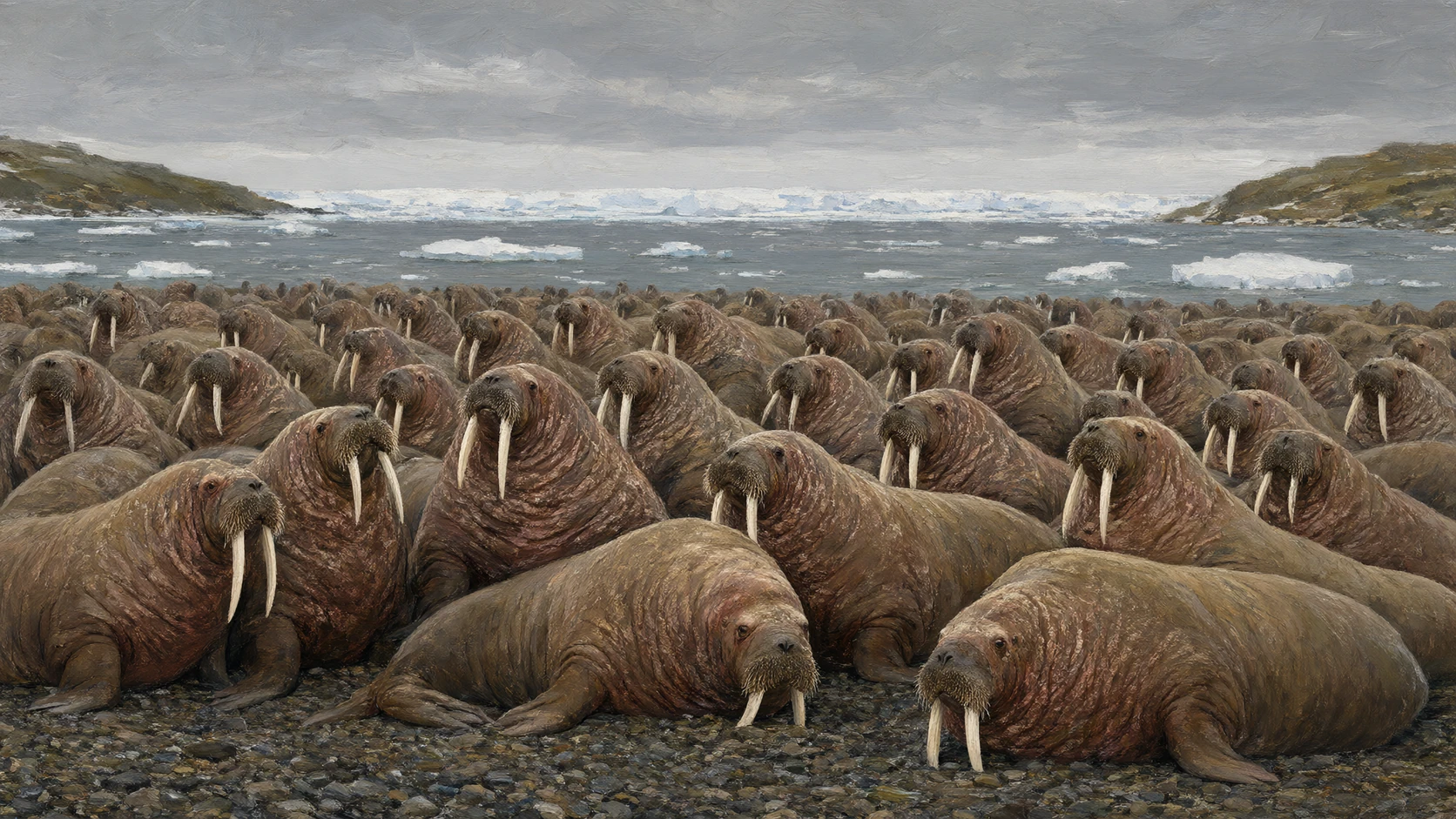
A stretch of Alaska’s Arctic coast used by Pacific walruses now has lasting protection from development. The Conservation Fund announced on November 18 that it had purchased a conservation easement covering 47,473 acres near Point Lay in northwest Alaska.
Primary sourceconservationfund.org: “The Conservation Fund Permanently Protects Critical Pacific Walrus Habitat”A safer place to rest
Walruses feed on clams and other animals on the seafloor, but they periodically need to leave the water to rest. Sea ice gives females and calves a platform close to offshore feeding areas. When suitable ice is unavailable, the animals come ashore.
That makes coastal resting sites, known as haulouts, especially important. The U.S. Fish and Wildlife Service describes how retreating summer ice has pushed more walruses toward the Chukchi Sea coast. Large gatherings have become a familiar feature of Alaska’s coast since 2007.
Keeping those gatherings undisturbed matters. The agency’s walrus viewing guidance explains that boats, aircraft and people can startle tightly packed animals into a stampede. Calves and yearlings are particularly vulnerable to being crushed. Repeated disturbances can also lead animals to abandon a resting site.
Building on local care
Point Lay’s community already monitors and manages human activity near its seasonal haulout to reduce disturbance, according to the Fish and Wildlife Service. The new agreement adds permanent land protection to that continuing stewardship.
The Interior Alaska Land Trust will manage the easement. The Conservation Fund says the protections, combined with increased stewardship, are intended to reduce direct and incidental disturbance as industrial activity expands in the Arctic.
Support came from a North American Wetlands Conservation Act grant, the Wyss Foundation, Gordon and Betty Moore Foundation, Holdfast Collective and the National Fish and Wildlife Foundation through Walmart’s Acres for America program. It supports both walrus habitat and the communities connected to it.
End of story