


U.S. prices rise 0.4% in October, but an annual inflation reading is missing
Food, housing and energy costs increased, while missing October 2025 data prevents most year-over-year comparisons in the latest CPI report.
How this story was made
This story was written with AI assistance from U.S. Bureau of Labor Statistics’s source documents. Its figures and quotations were checked against their sources, and Digitalage Desk reviewed and approved it before publication. It is published under the name of Peter Michaels, Editor.
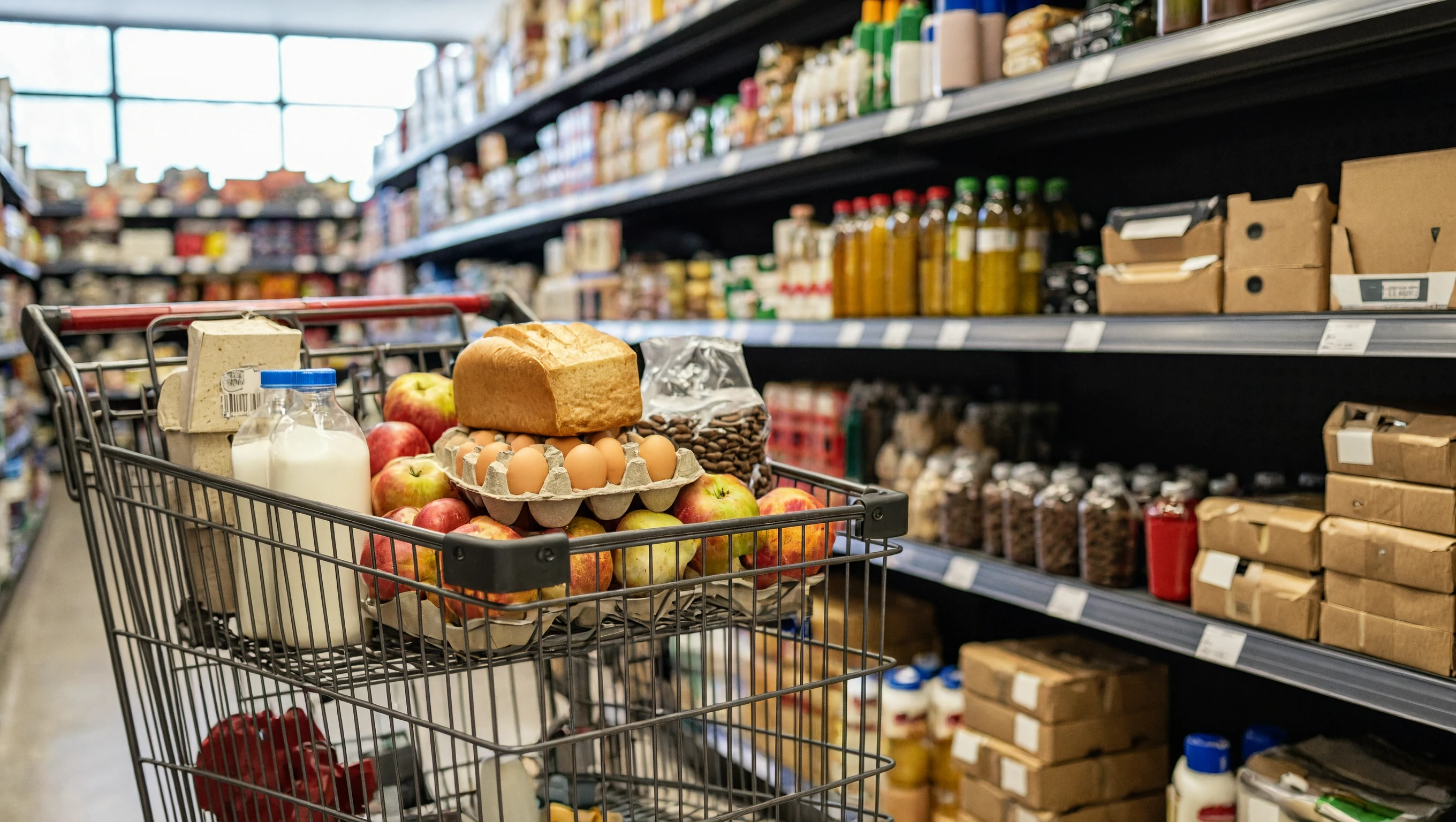
U.S. consumer prices rose 0.4% in October on a seasonally adjusted basis, easing from September’s 0.6% increase, as food, housing and energy costs increased.
The Bureau of Labor Statistics’ November 10 report showed shelter rising 0.3%, accounting for more than 30% of the overall monthly increase. Food rose 0.5%, including 0.4% for groceries, while energy increased 0.7%.
The index excluding food and energy increased 0.3% for a third consecutive month. Used vehicles and communication were among the categories that declined.
Most year-over-year comparisons are unavailable. BLS did not collect October 2025 survey data during a lapse in appropriations, leaving gaps in the indexes needed to calculate October 2026 annual changes. The missing comparison is a data limitation; it does not indicate that prices were unchanged over the year.
The agency’s guide to missing data explains that an absent index can be approximated using neighboring values when all parties to a contract agree on that approach. It explicitly describes calculations based on such approximations as unofficial estimates.
That distinction matters when an inflation number is used to explain a price increase or adjust a payment. A reconstructed figure has different evidentiary status from a published observation. An estimate for the missing month would require a stated method and should remain clearly labeled as an estimate.
The monthly number also needs context. In its CPI explanation, BLS says seasonal adjustment removes recurring influences such as weather, production cycles and holidays to make short-term movements easier to interpret. The adjustment helps compare months; it does not represent a household’s actual collection of bills.
CPI measures changes in the prices of a weighted basket of goods and services for urban consumers. Its weights reflect spending patterns collected from households. A family that spends a larger share on a particular category can experience a different change in costs from the national average.
Why it matters
Primary sourceU.S. Bureau of Labor Statistics: “Consumer Price Index Summary: October 2026”End of story