


U.S. jobless claims edge up to 203,000 as continuing claims rise
The November 19 report shows a small increase in new applications and a larger rise in ongoing claims, which cover an earlier week.
How this story was made
This story was written with AI assistance from oui.doleta.gov’s source documents. Its figures and quotations were checked against their sources, and Digitalage Desk reviewed and approved it before publication. It is published under the name of Peter Michaels, Editor.
Not investment advice.
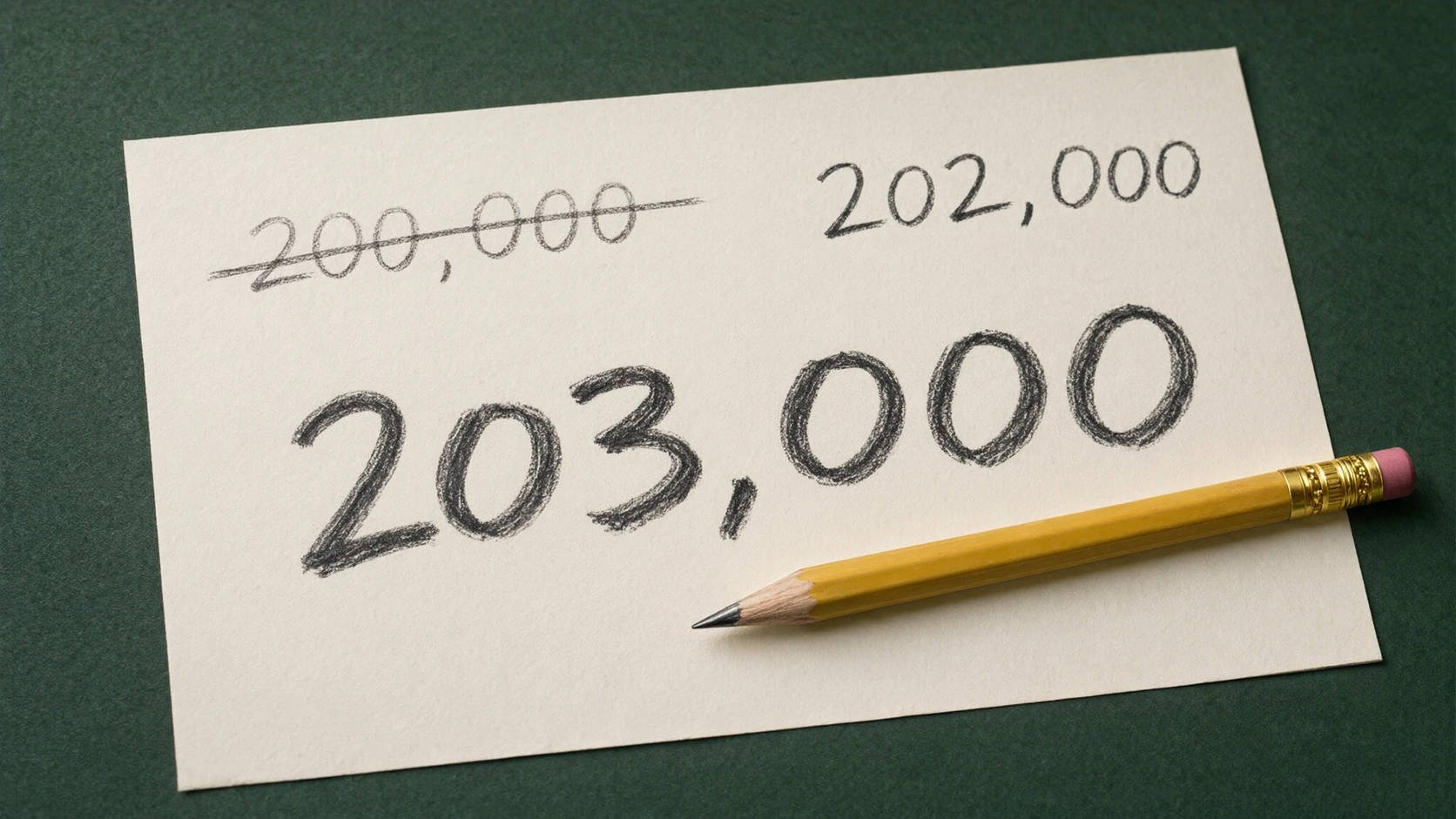
New U.S. unemployment-benefit applications rose to a seasonally adjusted 203,000 in the week ended November 14, the Labor Department reported November 19.
The weekly release shows an increase of 1,000 from the previous week’s revised 202,000. That earlier estimate was raised from 200,000, so comparing the new figure with last week’s original headline would overstate the weekly increase.
Two measures, different weeks
The four-week average of initial claims rose by 2,000 to 197,750. This measure smooths some of the volatility in individual weekly readings.
Continuing claims reached 1.763 million in the week ended November 7, up 70,000 from a revised 1.693 million. Those seasonally adjusted figures cover people continuing to claim benefits and lag the initial-applications series by a week.
An initial claim requests a determination of eligibility after a worker separates from an employer. A continued claim follows an initial filing and another week of unemployment. Neither measure is a count of every person looking for work.
Why this is not the unemployment rate
The Bureau of Labor Statistics explains that the national unemployment rate comes from a separate monthly household survey. It measures unemployed people as a share of the labor force, using questions about work, availability and job searches.
Primary sourceoui.doleta.gov: “UNEMPLOYMENT INSURANCE WEEKLY CLAIMS”BLS also cautions against adding weekly initial claims together and treating the result as a monthly change in unemployment. The household survey captures movement both into and out of unemployment, including people finding jobs or leaving the labor force.
An increase or decline in insurance claims can therefore coexist with a different movement in the national unemployment rate. The two series answer different questions and should be read together.
End of story