


U.S. and China keep disputed shipping charges on hold into January
The extended pause gives maritime businesses more time, while the disagreement over shipbuilding policy remains unresolved.
How this story was made
This story was written with AI assistance from ustr.gov’s source documents. Its figures and quotations were checked against their sources, and Digitalage Desk reviewed and approved it before publication. It is published under the name of Peter Michaels, Editor.
Shipping companies face another two-month pause in disputed U.S. maritime charges, with the suspension now running through 11:59 p.m. Eastern on January 9, 2027. The U.S. Trade Representative’s notice makes the extension effective November 9 and says talks with China will continue.
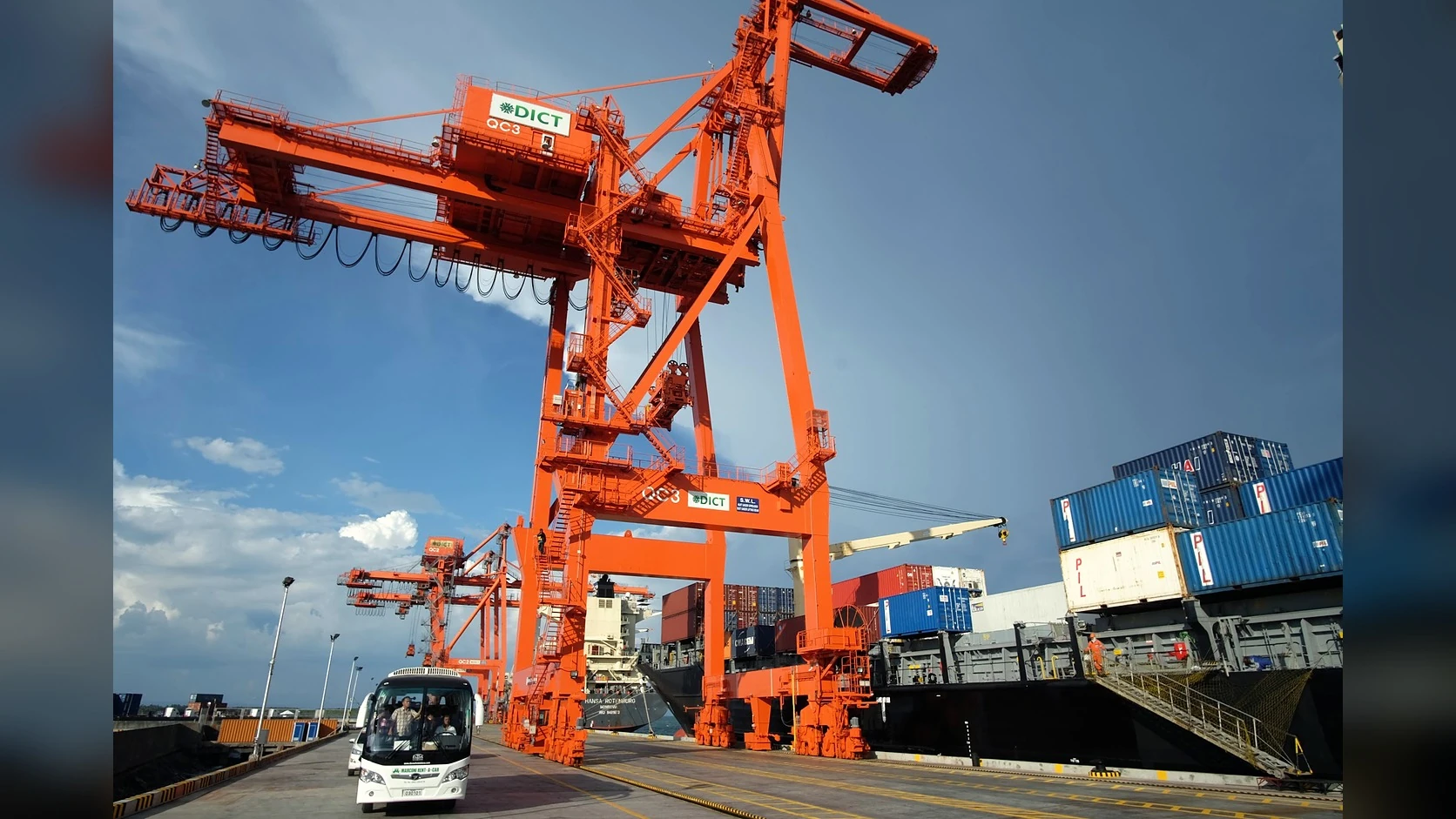
The notice states that companies will not accumulate liability for the specified maritime-service fees during the suspension. It also continues the pause on designated duties covering Chinese ship-to-shore cranes and cargo-handling equipment. That removes those particular charges for the period, without settling the wider trade dispute.
FreightWaves reported on November 11 that the suspended fee categories affect Chinese-owned or operated vessels, Chinese-built vessels and foreign-built vehicle carriers. The categories matter because a ship’s operator, place of construction and type of service can raise different questions; the measure is broader than a charge on goods imported from China.
China has extended its own pause. In a November 9 transport-ministry announcement, Beijing kept special port fees for U.S.-linked ships suspended until January 10. It also continued suspending the associated implementation measures and its investigation into the security and development interests of shipping, shipbuilding and related supply chains.
The U.S. record shows disagreement over the trade-off. USTR said supporters of an extension cited shipping costs and commercial disruption, while opponents argued the charges were needed to encourage investment in American shipbuilding and related industries.
Primary sourceustr.gov: “72608 Federal Register / Vol. 91, No. 216 / Tuesday, November 10, 2026 / Notices”What’s next
USTR says it will consider whether to extend the suspension or take further action before January 10. The next policy decision will determine whether this breathing room continues.
End of story