


Trail Ridge Road closes for winter, reshaping a Rocky Mountain park visit
The park’s high crossing has shut to vehicles for the season, while lower roads and winter trails offer other ways to explore.
How this story was made
This story was written with AI assistance from National Park Service’s source documents. Its figures and quotations were checked against their sources, and Digitalage Desk reviewed and approved it before publication. It is published under the name of Peter Michaels, Editor.
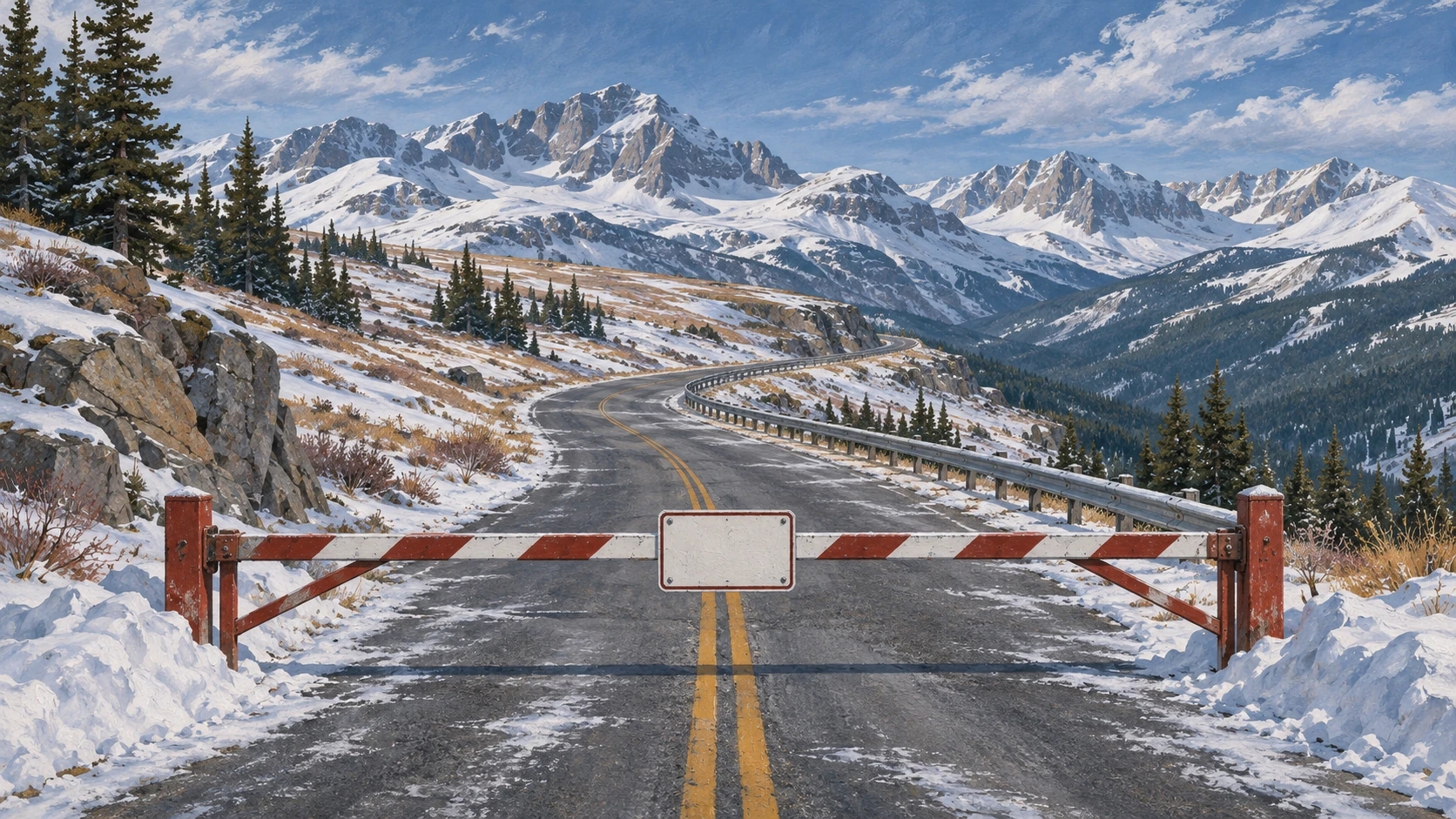
Rocky Mountain National Park has closed Trail Ridge Road to through vehicle traffic for winter, ending the driving connection across its high country. The November 13 closure notice places the eastern gate at Many Parks Curve and the western gate at Colorado River Trailhead.
The seasonal shutdown reflects the road’s exposed design. Eleven miles lie above 11,500 feet, with few guardrails and no shoulders. The Park Service says wind, drifting snow and freezing temperatures make it unsuitable as an all-season route. Reopening usually comes in late May, depending on weather.
Visitors can still drive Bear Lake Road and Endovalley Road. On the east side, Trail Ridge remains accessible to Hidden Valley and Many Parks Curve; the western approach remains open from Grand Lake Entrance to Colorado River Trailhead.
Primary sourceNational Park Service: “Trail Ridge Road Closes to Through Travel for Winter 2026/2027 Season - Rocky Mountain National Park (U.S. National Park Service)”Footwear and clothing therefore matter as much as the map. The guide recommends warm layers, traction devices and, where conditions require them, snowshoes. It also advises preparing vehicles for winter driving. A trail that looks manageable at the parking area may lead into different conditions as it climbs, so equipment should match the intended route rather than the weather at the entrance.
Backcountry plans require another check. In its avalanche guidance, the Park Service directs visitors to the Colorado Avalanche Information Center for forecasts and warns against crossing or traveling below steep snow slopes without the necessary knowledge and equipment. A familiar summer hiking route is not automatically an appropriate winter outing.
The park recommends avalanche education and carrying a transceiver, probe and shovel when traveling in avalanche terrain, with everyone in the party knowing how to use that equipment. The point is to choose terrain and companions with the conditions in mind before leaving the trailhead.
For anyone making a trip this week, the park’s winter guide brings together links to road updates, trail reports, weather resources and snow-depth monitors. Those checks should come before choosing a destination or setting an itinerary. With the cross-park road closed, the practical first decision is which side of Rocky Mountain to visit and which accessible route fits that day’s conditions.
End of story