


Ten more states join FTC lawsuit alleging Dollar General overcharged shoppers
The expanded federal case now includes 30 states, but the allegations of checkout prices exceeding advertised prices have not been decided by a court.
How this story was made
This story was written with AI assistance from Federal Trade Commission’s source documents. Its figures and quotations were checked against their sources, and Digitalage Desk reviewed and approved it before publication. It is published under the name of Peter Michaels, Editor.
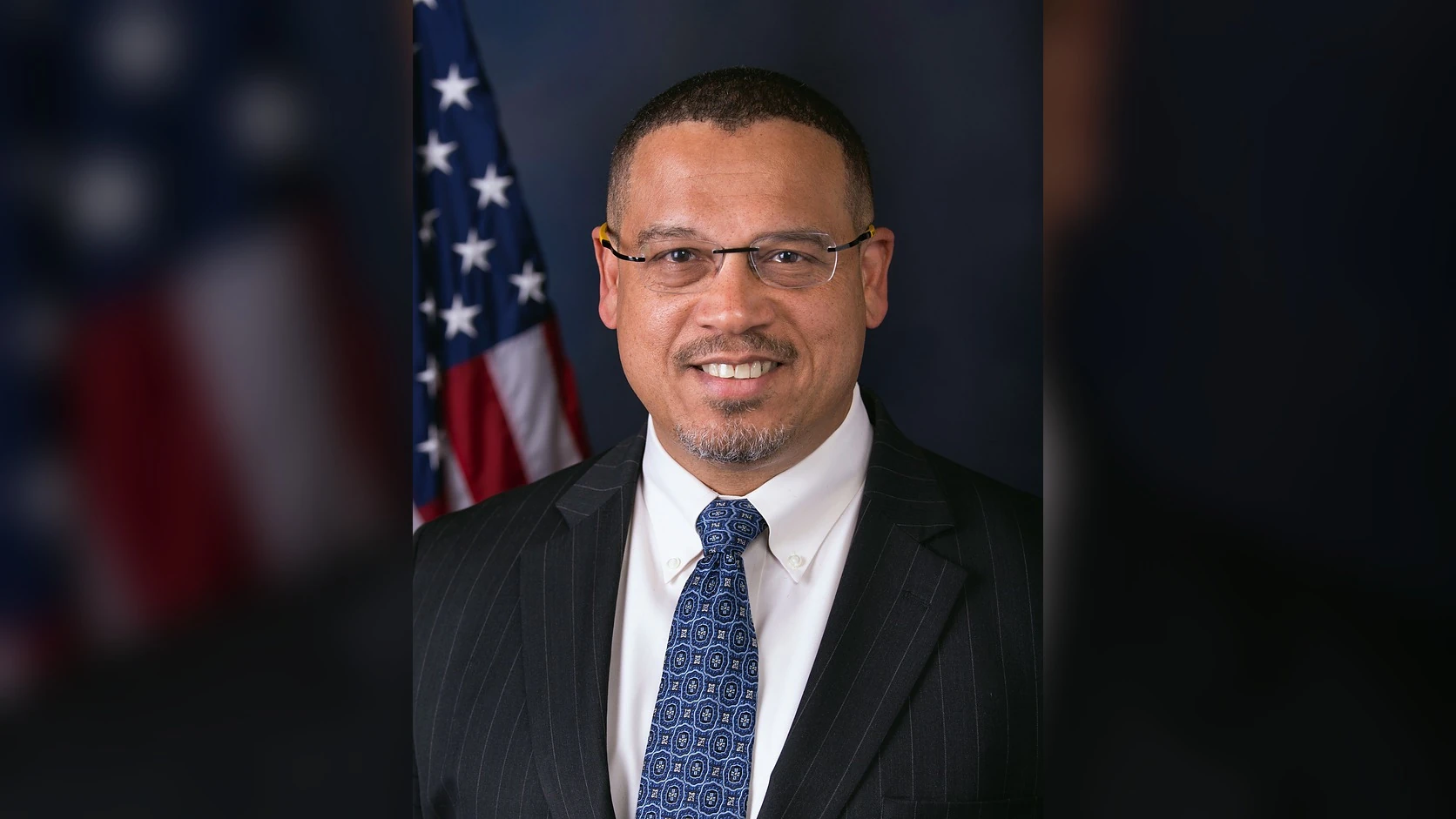
Ten more states joined a Federal Trade Commission lawsuit against Dollar General, bringing the number of state plaintiffs to 30 in a dispute over what shoppers pay at the register, according to a November 20 FTC announcement and a November 20 statement from Minnesota Attorney General Keith Ellison.
The FTC announcement says the retailer has allegedly charged customers more than prices shown on shelves, tags and advertisements over a period of years. The case remains a civil lawsuit. The allegations are not a final judicial finding that Dollar General violated the law.
What changed, and what shoppers can document
The FTC’s original October case began with 20 state partners. The November amendment adds ten more; it does not represent ten new court findings or a separate verdict. The FTC case timeline lists the first amended complaint as filed November 20, the same date as the agency’s public announcement.
For shoppers, the difference between a shelf label and the amount charged at checkout is the central issue. A receipt documents what was charged; a photograph of the shelf label, taken when lawful and safe, can help establish what was displayed. Neither alone proves a companywide violation. Customers can first seek a correction from the store and report persistent concerns to state consumer-protection officials or the FTC.
The complaint seeks an injunction, monetary relief and civil penalties. Those remedies would require a legal resolution; the expanded coalition does not itself order refunds to every customer.
What the government alleges
Primary sourceFederal Trade Commission: “Federal Trade Commission: ten additional states join ftc lawsuit alleging dollar general charged consumers more advertised”The ten newly joining states are Delaware, Georgia, Kentucky, Maine, Minnesota, New Mexico, Oregon, Rhode Island, South Carolina and South Dakota. The FTC says the amended case is pending in the U.S. District Court for the Middle District of Tennessee.
The filed amended complaint invokes the FTC Act and the Gramm-Leach-Bliley Act, while the state plaintiffs allege violations of state consumer-protection and related laws. Whether the plaintiffs prove those claims will depend on evidence and court proceedings.
Why shelf prices matter
For customers, the difference between a posted price and a checkout charge can be difficult to detect when buying many items. Even small discrepancies can add up, particularly for households watching every dollar.
Minnesota Attorney General Keith Ellison’s separate state announcement confirms that his office joined the case and says the plaintiffs are seeking remedies including an end to the alleged practices and monetary relief.
Those requested remedies are not awards already granted.
In an October 26 statement responding to the original lawsuit, Dollar General acknowledged that occasional shelf-to-register discrepancies can occur but said it had strengthened its price-accuracy procedures. It disputed the FTC’s calculation of consumer redress and interpretation of the Gramm-Leach-Bliley Act, and said it would defend the litigation vigorously. That response predates the November amendment; a separate company response to the amended complaint was not established in this review.
End of story