


Renwick’s new Handwork display finds art in glass, fiber and unexpected materials
The free Washington exhibition brings 51 objects together, while a national craft map offers a way to find related experiences closer to home.
How this story was made
This story was written with AI assistance from americanart.si.edu’s source documents. Its figures and quotations were checked against their sources, and Digitalage Desk reviewed and approved it before publication. It is published under the name of Peter Michaels, Editor.
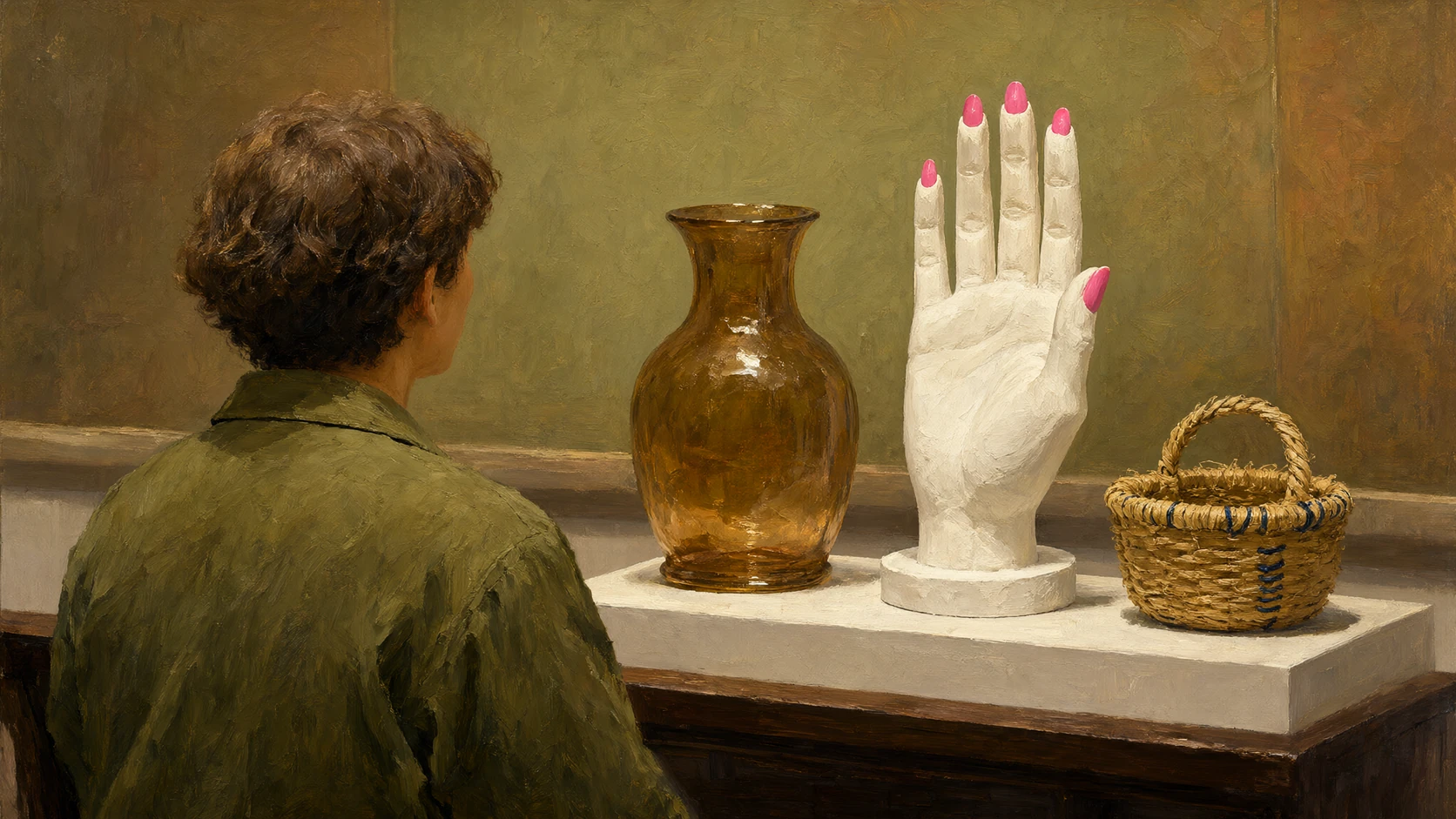
Glass, wood and fiber share the stage with acrylic nails and honeybee wings in the Renwick Gallery’s new Handwork installation. The Smithsonian exhibition brings 51 objects together to explore what making something by hand can mean.
Primary sourceamericanart.si.edu: “Handwork: Contemporary Craft at the Renwick Gallery”The installation is part of Handwork: Celebrating American Craft 2026, a national initiative organized by Craft in America. Its organizers say more than 250 organizations have joined, contributing exhibitions and events. That wider program puts the Washington display in the company of museums, makers and educators working in different regions and craft traditions.
For readers outside the capital, the initiative’s craft map is a practical starting point. It accepts searches for events, cities or ZIP codes and separates current exhibitions and events from participating organizations. Search the area you can realistically visit, then check the selected venue’s own listing for dates, admission and any booking requirement. Participation in the initiative alone does not mean every location has an event on the same day.
In Washington, the Renwick’s visitor information lists free admission and says tickets are not required. The gallery is at Pennsylvania Avenue and 17th Street NW, near the White House, and opens daily from 10 a.m. to 5:30 p.m., except December 25. Farragut West and Farragut North are the nearest Metro stations; the accessible ramp is on 17th Street.
Visitors can generally take handheld photographs for personal use, although signs may restrict photography of individual works. Tripods and selfie sticks are not permitted. That makes a phone useful for remembering an object without turning a visit into a full photography setup.
The museum also lists daily walk-in tours from noon to 1 p.m. and 2 to 3 p.m., subject to volunteer docent availability and possible last-minute cancellation. For a first visit, the simplest plan is to choose a day, confirm the current hours and leave room to look closely at a few objects rather than race through the whole collection.
End of story