


Latvia approves Kulbergs government with a narrow coalition majority
The Saeima approved the United List and National Alliance cabinet on November 17 by 57 votes to 34, with the two coalition parties holding 51 of 100 seats.
How this story was made
This story was written with AI assistance from Cabinet of Ministers of Latvia’s source documents. Its figures and quotations were checked against their sources, and Digitalage Desk reviewed and approved it before publication. It is published under the name of Peter Michaels, Editor.
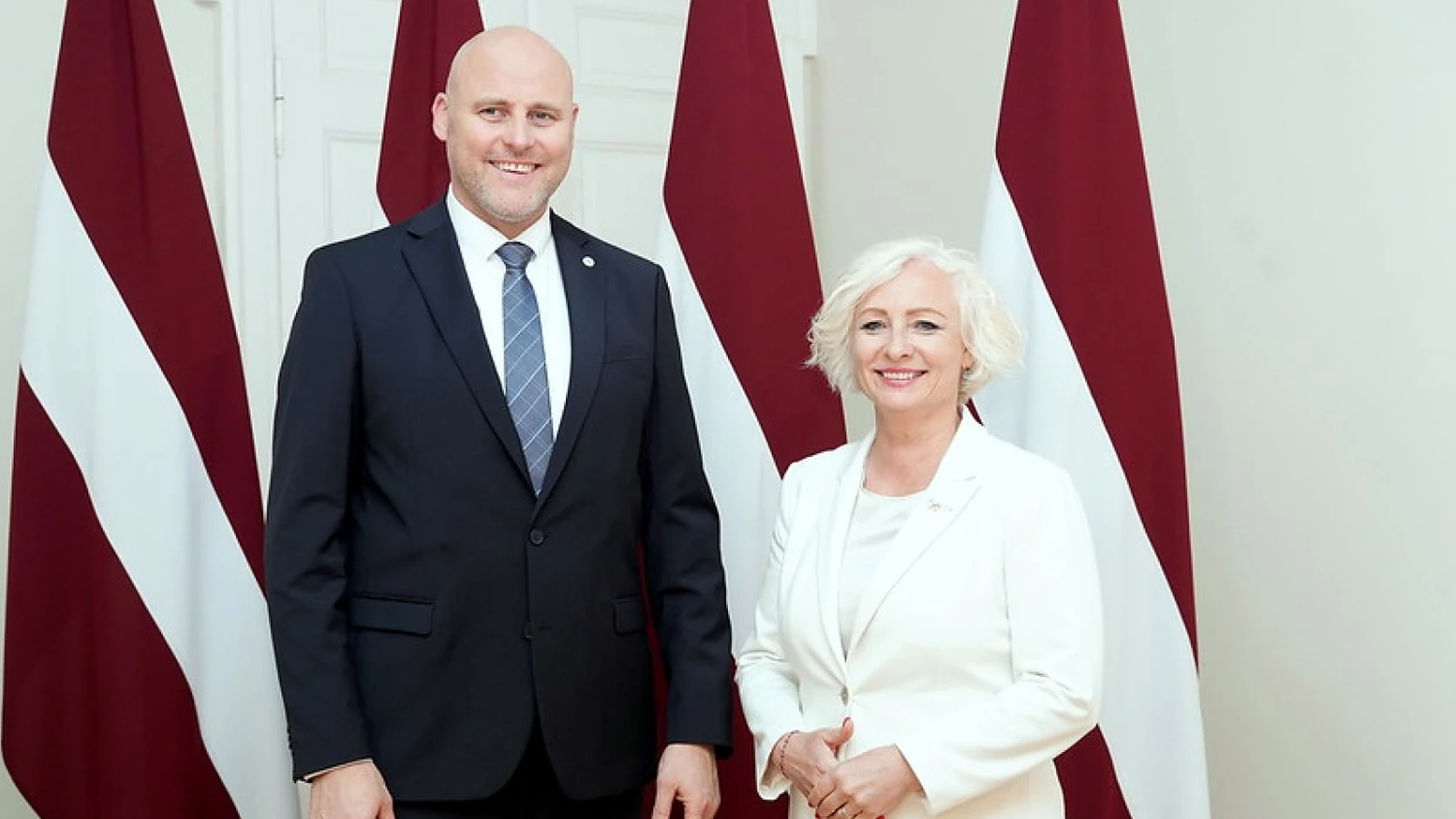
Latvia’s parliament approved Andris Kulbergs’s government on November 17, 2026, backing a cabinet formed by United List and the National Alliance. The Saeima recorded 57 votes in favor and 34 against. The confidence vote followed the parties’ November 15 agreement on cooperation and ministerial responsibilities.
Why it matters
Primary sourceCabinet of Ministers of Latvia: “Kulbergs: agreement reached with the National Alliance on cooperation in the new government”Cabinet of Ministers of Latvia: “Kulbergs: agreement reached with the National Alliance on cooperation in the new government”
Kulbergs has emphasized the need for disciplined voting and wider parliamentary cooperation. In the official announcement, he proposed regular meetings with opposition parties, ideally monthly, and roles for opposition members on parliamentary committees. He identified national security, establishing order in public finances, economic growth and efficient public administration as priorities for the new government.
The National Alliance had been invited to nominate ministers for the interior, welfare and culture portfolios. Those three ministries were confirmed in the cabinet line-up Kulbergs presented on November 17.
In his November 16 Latvian Radio interview, Kulbergs said he planned to reduce the number of ministries, beginning with the Climate and Energy Ministry. He said the cabinet would include nonparty specialists as well as politicians. These remain plans for the new administration, rather than completed changes to government departments.
Latvia First said it would offer selective support. Before the confidence vote, LSM reported that New Unity and the Progressives did not plan to back the government. Latvia First leader Ainārs Šlesers set conditions involving administrative reorganization, growth and family support, and said his party would judge decisions against its own program rather than support every vote.
End of story