


IFC’s $500 million-plus Africa package targets small businesses and food supply
Fourteen projects combine financial-sector support with productive investment, including a Nigerian small-business loan and plans to expand an Angolan food company’s capacity.
How this story was made
This story was written with AI assistance from International Finance Corporation’s source documents. Its figures and quotations were checked against their sources, and Digitalage Desk reviewed and approved it before publication. It is published under the name of Peter Michaels, Editor.
The International Finance Corporation has detailed more than $500 million in new African projects aimed at getting longer-term finance to smaller businesses and expanding food production. Its November 16 announcement groups 14 investments and advisory projects unveiled at the Africa Financial Summit, spanning financial institutions, trade and agribusiness.
Primary sourceInternational Finance Corporation: “International Finance Corporation: world bank group s ifc announces more than half a billion usd in investments at af”The summit itself took place earlier in the month. IFC’s official event listing identifies November 3 and 4 in Luanda, Angola, with financial-sector leaders and regulators discussing how to mobilize private capital and channel savings into investment. Monday’s release provides a consolidated account of the projects associated with that gathering.
One concrete example is Nigeria’s Bank of Industry. The bank’s November 3 announcement records a signed $50 million senior loan from IFC, with a seven-year term and at least a quarter of the proceeds dedicated to women-owned businesses. The arrangement is intended to expand finance for micro, small and medium-sized enterprises.
The bank identifies manufacturing, agriculture, renewable energy and the creative industries among the sectors that could receive longer-term financing. A seven-year source of funding gives it a different starting point from short-term borrowing when supporting businesses with equipment and expansion needs. The release describes the facility’s purpose, without listing individual end-borrowers or documenting completed lending to them. The bank also says implementation remains subject to definitive documentation and customary conditions.
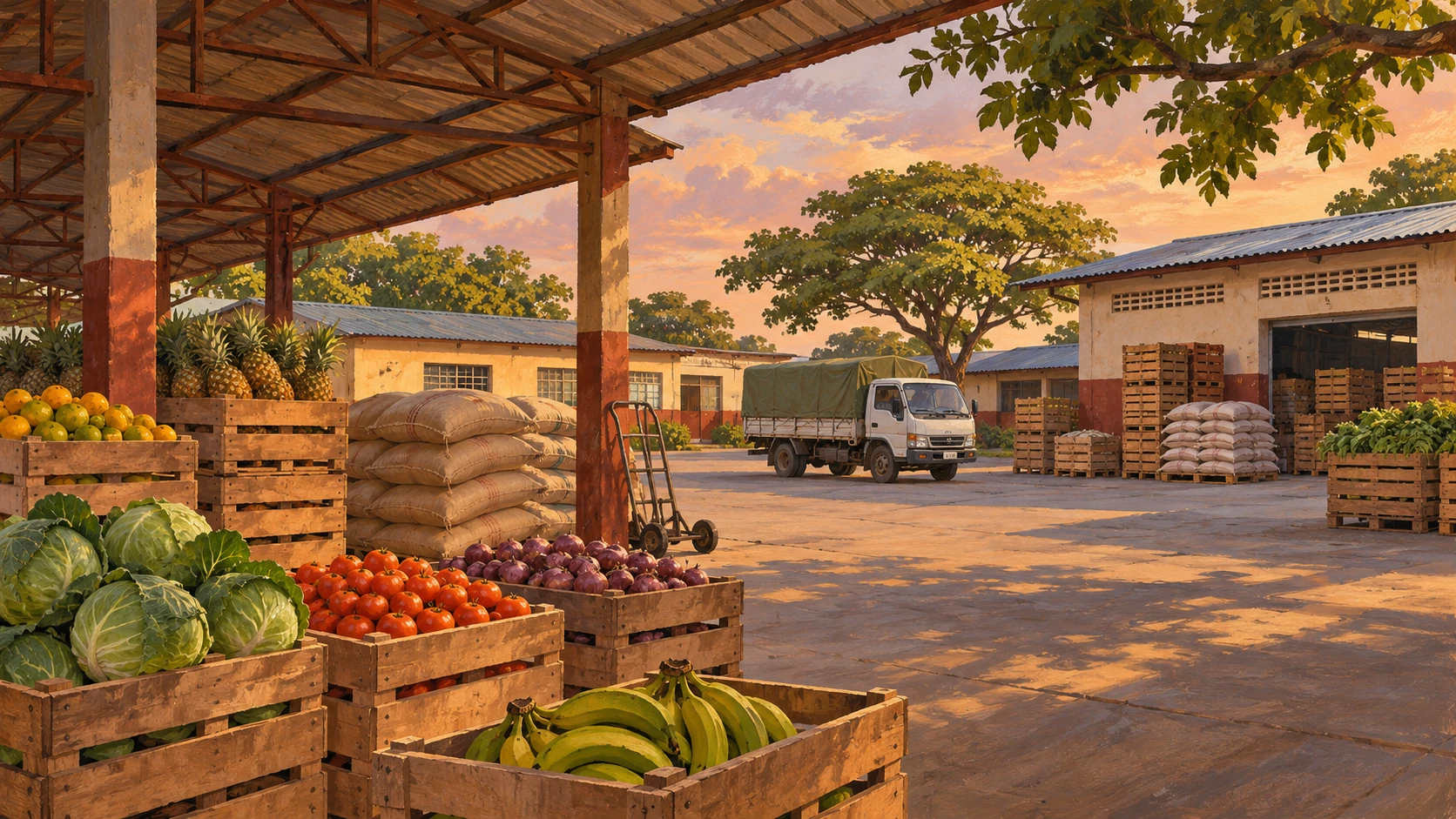
In Angola, IFC’s roundup identifies a signed $40 million financing package for Carrinho, a food business whose operations include processing, storage and distribution. The investment connects the financial-sector agenda to a physical problem: moving essential food products through a supply chain with enough capacity to handle them.
The Carrinho project disclosure describes the planned uses in greater detail: expanding a wheat-flour mill, constructing a warehouse at its Benguela industrial complex and a central kitchen in Luanda, buying trucks and introducing store-management software. These are specific expansion plans, rather than evidence that new facilities are already operating.
IFC also describes advisory work with the group dating to 2021, including links between farmers and markets in poultry and feed grains, training and extension services. Its expected benefits include greater production, opportunities for suppliers and employment as capacity expands. The disclosure presents those effects as anticipated development outcomes.
Carrinho’s project record lists approval on June 17 and, in its September 26 update, a status of pending disbursement. That dated entry does not settle whether funds have since moved. Disbursement and execution of the mill, warehouse and distribution investments are the next steps to establish beyond the financing announcement.
End of story