


House schedules tribal buffalo restoration bill for November 17 consideration
The proposal would support herd management, mobile meat processing and transfers of surplus buffalo while preserving existing federal and state rules on diseased or escaped buffalo.
How this story was made
This story was written with AI assistance from House Republican Cloakroom’s source documents. Its figures and quotations were checked against their sources, and Digitalage Desk reviewed and approved it before publication. It is published under the name of Peter Michaels, Editor.
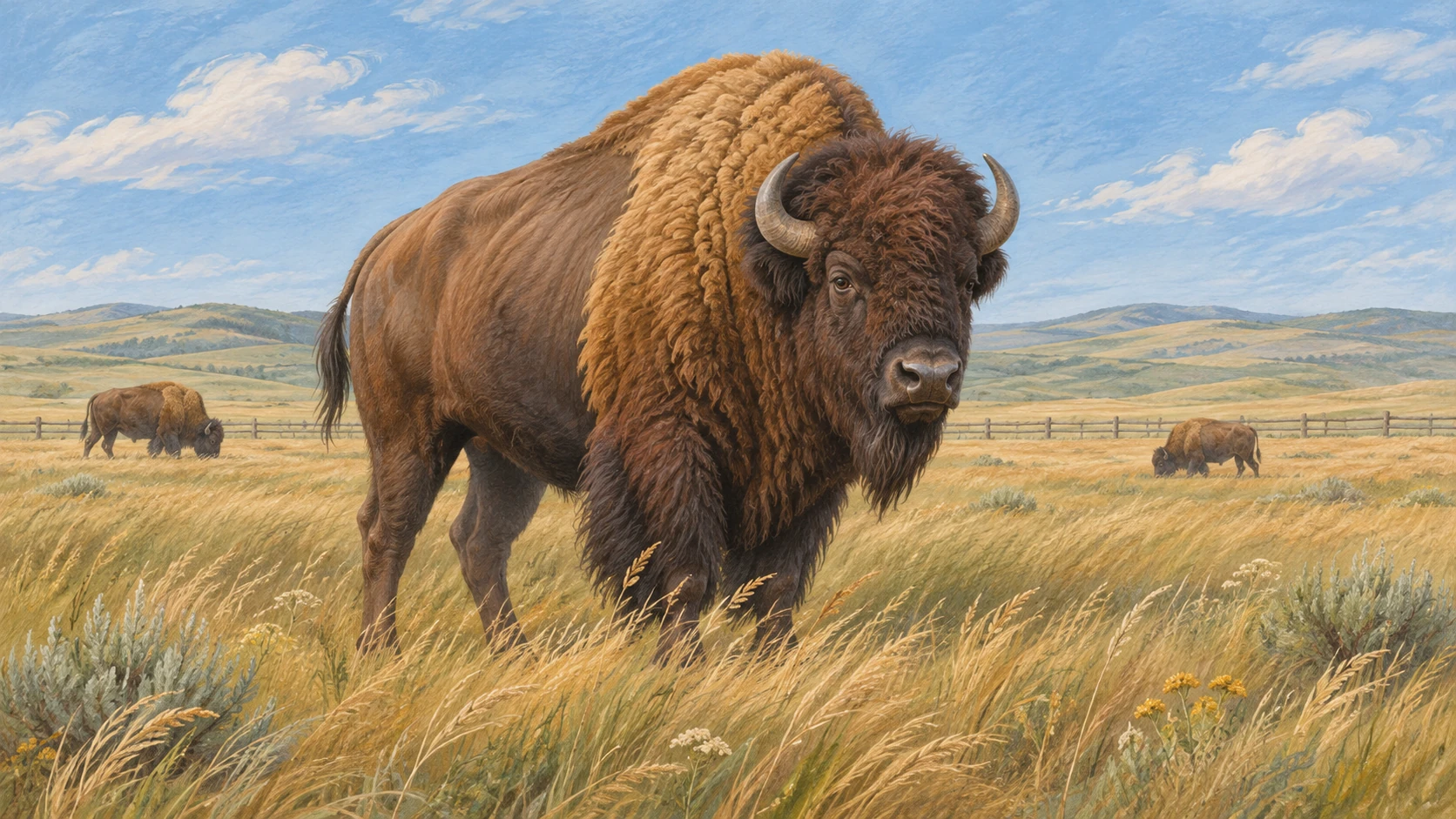
The House considered legislation on November 17 that would strengthen federal support for tribal buffalo restoration, bringing herd management, food production and cultural preservation onto its post-election agenda. The majority’s weekly schedule lists H.R. 7954 for consideration under suspension of the rules; it has not established a final vote outcome.
The Don Young Doug LaMalfa Indian Buffalo Management Act is sponsored by Rep. Jeff Hurd, a Colorado Republican. The House Natural Resources Committee advanced the measure in September, describing it as a way for the Interior Department to work alongside tribes and tribal organizations on buffalo and habitat conservation.
Primary sourceHouse Republican Cloakroom: “Republican Cloakroom: Legislative Schedule, Week of November 16, 2026”The reported bill text directs the interior secretary to enter contracts and cooperative agreements and award grants for restoration and management programs. Eligible activities include commercial operations involving buffalo or buffalo products and mobile Tribal or Tribal organization meat-processing facilities. Technical assistance would accompany those agreements, addressing the work required to manage herds and use their products, rather than only acquiring animals.
Tribal consultation would begin within a year of enactment and continue thereafter. Interior's buffalo management policy for Indian land would have to follow tribal management goals and laws, while information tribes identify as culturally sensitive, proprietary or confidential would be protected from disclosure. The text also preserves existing federal and state rules covering diseased buffalo or buffalo escaping tribal lands.
The proposed authority would expire seven years after enactment. Transfers of surplus federal buffalo would require agreements, and the secretary could waive associated charges. These remain provisions before Congress, not services that have become available through a new law.
The practical work is already visible in earlier projects. In January 2024, Indian Affairs announced $1.5 million for three tribal initiatives. One at the Fort Berthold Reservation in North Dakota included fencing for pasture expansion; another, involving the Shoshone-Bannock Tribes in Idaho, called for repairing or replacing fencing and watering systems.
Those announced projects illustrate why buffalo restoration involves land and infrastructure as well as animals. The agency linked the work to habitat restoration, food sovereignty and cultural and economic goals. Its announcement described intended expansion, not a subsequent assessment showing that every project achieved its targets.
What’s next
For the new legislation, the immediate checkpoint is the House’s scheduled November 17 consideration. The published agenda remains subject to change, and a place on it does not guarantee passage.
End of story