


Fed minutes point toward more rate increases and flag AI financing risks
Central bankers held their benchmark rate steady in October, but the newly published record shows strong concern about persistent inflation and growing debt tied to the artificial intelligence buildout.
How this story was made
This story was written with AI assistance from federalreserve.gov’s source documents. Its figures and quotations were checked against their sources, and Digitalage Desk reviewed and approved it before publication. It is published under the name of Peter Michaels, Editor.
Not investment advice.
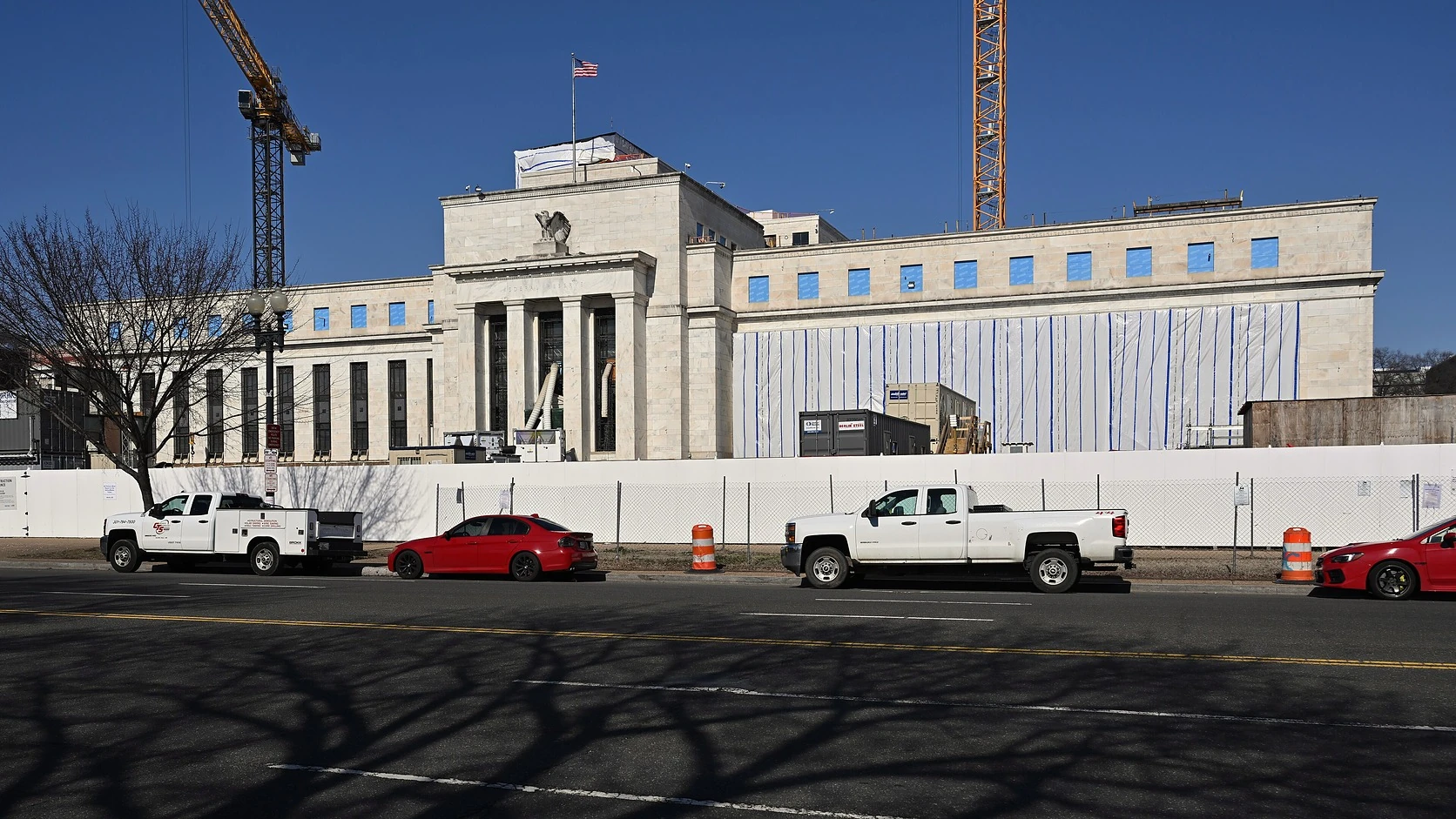
Federal Reserve officials largely expected further interest-rate increases would be needed to bring inflation back toward the central bank’s 2% target, according to the minutes of their October 27–28 meeting, released November 18.
At that meeting, the Federal Open Market Committee **kept its federal funds target range at 3.75% to 4.00%**. The decision passed 10–2, with two voting members preferring an immediate quarter-percentage-point increase. The minutes distinguish that completed October decision from possible future moves: no increase for December has yet been voted on.
Why officials are still worried about prices
The Fed staff’s estimates placed total personal consumption expenditures inflation at 3.6% over the year through September, while the core measure excluding energy and many food prices was estimated at 3.1%. Both were above the Fed’s objective. Officials described broad inflation pressures, including high energy prices and AI-related demand that was straining supply and raising prices of technology-related consumer goods.
The meeting record says **almost all participants** thought additional increases in the target range would likely be appropriate under their baseline forecasts. It also says future decisions would depend on incoming data, the evolving outlook and the balance of risks. A couple of participants suggested an increase larger than a quarter point could deserve consideration if new inflation figures were unfavorable.
Market expectations are not official decisions. The minutes describe futures pricing that assigned a high probability to a quarter-point increase by year-end and two more by the summer of 2027; the median response in a New York Fed market survey anticipated one increase in December and another in March 2027, followed by a rate cut early in 2028. Neither estimate binds the committee.
AI spending is also a financial-stability concern
The minutes go beyond standard inflation and employment questions. Fed staff highlighted rapid growth in debt associated with AI infrastructure, including leasing commitments outside ordinary balance-sheet presentations and complex financing relationships among AI-linked companies.
Primary sourcefederalreserve.gov: “The Fed - Monetary Policy:”What’s next
These were **risk scenarios**, not a finding that the financial system had entered a crisis. The staff also pointed to strong bank and household balance sheets as buffers. The Fed’s next scheduled policy meeting is December 8–9, when officials will assess newer economic information before deciding whether to adjust rates.
End of story