


Family Dollar agrees to $63 million pricing settlement, pending court approval
The FTC and 17 states proposed consumer payments, discounts and stronger store controls after alleging shoppers paid more than advertised prices.
How this story was made
This story was written with AI assistance from Federal Trade Commission’s source documents. Its figures and quotations were checked against their sources, and Digitalage Desk reviewed and approved it before publication. It is published under the name of Peter Michaels, Editor.
Not investment advice.
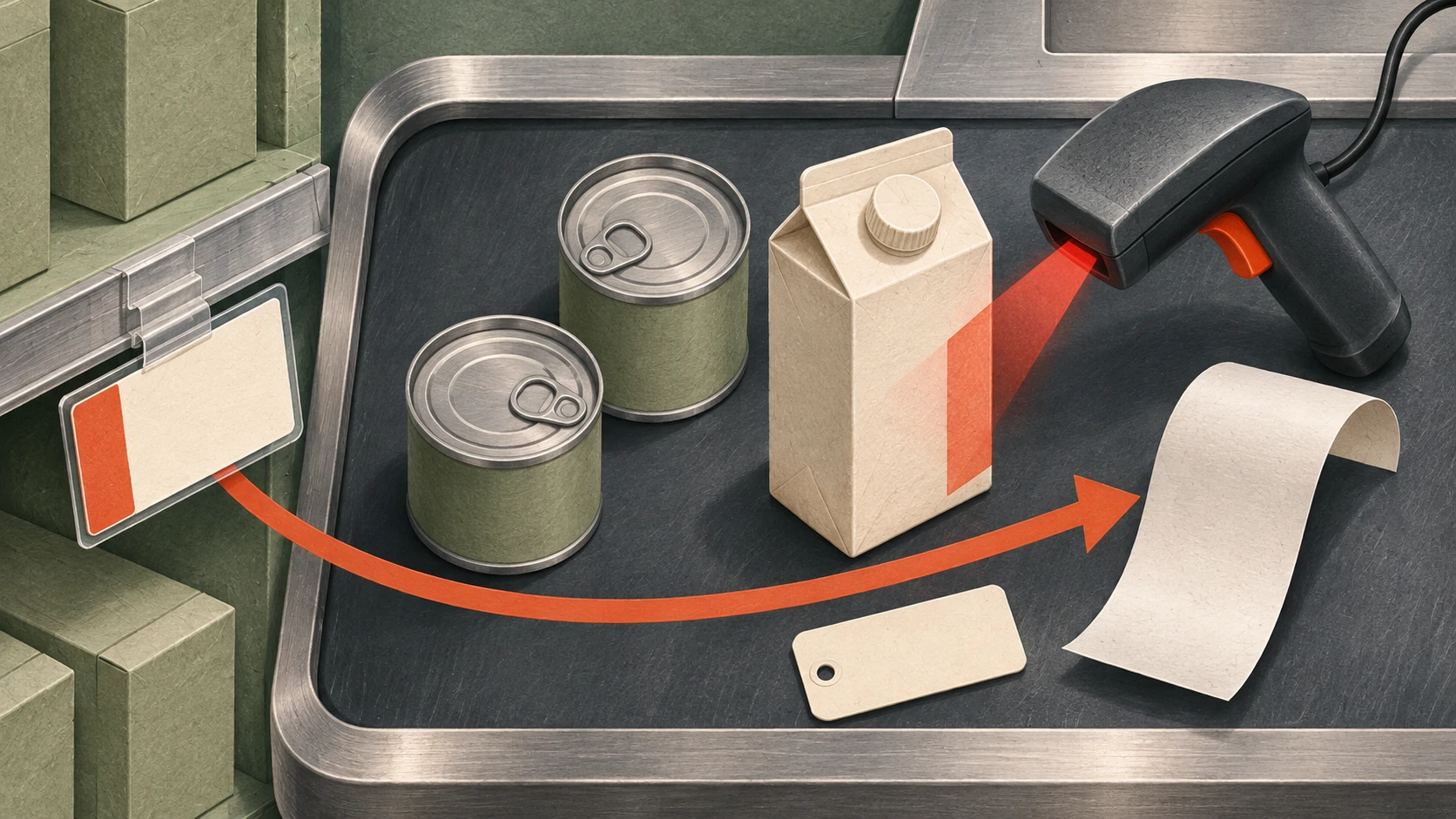
Family Dollar has agreed to a roughly $63 million settlement with the Federal Trade Commission and 17 states over allegations that shoppers were charged more at checkout than advertised. The November 12 announcement proposes payments, discounts and changes to store pricing practices, with the court still required to approve the order.
The package would create a $40 million fund for eligible consumers and a separate $20 million discount program, alongside payments exceeding $3 million to the states. Those components matter for shoppers: the headline settlement amount is not a single cash-refund pool.
In the complaint filed in federal court in Virginia, the agencies allege that discrepancies affected everyday necessities, including milk, eggs and diapers. They describe a pricing system that could raise checkout prices automatically before employees had replaced shelf labels, leaving customers facing different amounts when they reached the register.
The complaint says regulators have cited thousands of pricing violations since 2022, with fines exceeding $3 million, and that settlements with state authorities since 2024 brought more than $800,000 in penalties. The agencies argue the burden falls particularly heavily on households stretching small shopping budgets in communities with limited access to full-service grocery stores. Those remain the plaintiffs’ allegations.
Under the proposed settlement document, Family Dollar neither admits nor denies the complaint’s allegations, apart from specified exceptions including facts necessary to establish the court’s jurisdiction. The agreement is therefore not a trial verdict establishing the alleged conduct.
Why it matters
Primary sourceFederal Trade Commission: “FTC and 17 States Secure $63 Million Settlement with Family Dollar Stores in Price Transparency Win for Consumers”The company would also have to establish its pricing-accuracy program within 90 days of the order’s entry, obtain independent assessments and provide annual certifications from the responsible senior officer. Those requirements would make checking prices an ongoing compliance obligation, rather than a one-time payment.
The FTC says Family Dollar would have to notify customers of their redress-fund eligibility through notices in stores and on its digital platforms. Its announcement does not establish that payments have started. Consumers should distinguish the proposed relief from an active distribution process: the agency says stipulated orders acquire legal force when approved and signed by a district judge.
The FTC’s case listing identifies the action as pending. Court approval is the next step before the proposed pricing controls and consumer-relief timetable become enforceable.
End of story