


Before buying an induction stove, check your pans and your power supply
Compatible cookware may already be in your cupboard, but replacing a full-size range can require a different electrical connection.
How this story was made
This story was written with AI assistance from ENERGY STAR’s source documents. Its figures and quotations were checked against their sources, and Digitalage Desk reviewed and approved it before publication. It is published under the name of Peter Michaels, Editor.
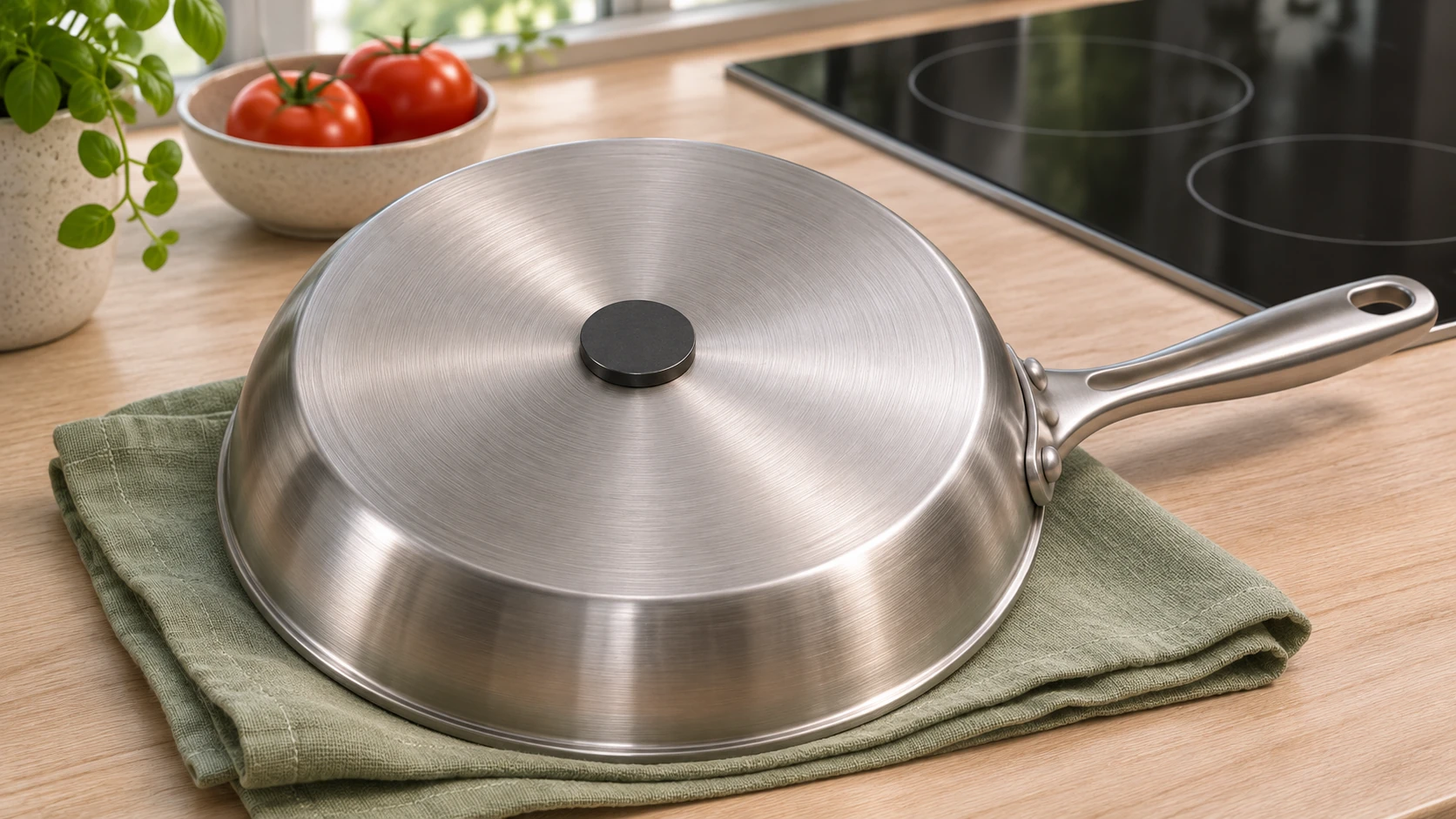
The first useful test before buying an induction stove may be sitting on the refrigerator door. Hold a magnet against the bottom of a pan: if it sticks, that cookware can work with induction, according to ENERGY STAR’s buying guidance. Checking the pans you actually use can help establish what needs replacing.
The reason is in how the appliance heats. The Department of Energy explains that induction uses an electromagnetic field to generate heat in the cookware itself. A gas flame or conventional electric element heats the vessel from outside. The pan therefore becomes part of the heating system, rather than simply a container sitting on top.
The DOE’s compatibility criteria are a flat bottom and a base that a magnet sticks to. Before buying a complete new set, test the everyday frying pan, saucepan and stockpot individually and check the intended appliance’s cookware requirements. A familiar-looking metal pan should not be assumed compatible merely because another one in the cupboard is.
Primary sourceENERGY STAR: “Electric Cooking Products: buying guidance and maintenance”The same delivery guidance says its agents are not authorized to perform electrical work. Check the selected model’s installation instructions and have a qualified professional assess any necessary circuit changes before delivery. Appliance hookup does not necessarily include installing a new circuit.
Size and cooking layout deserve the same attention. ENERGY STAR points to different range formats, countertop cooktops and portable units, as well as cooking zones that accommodate different pans. Some models have bridging elements for larger cookware. Measure the available space and compare the cooking zones with the pans and griddle you expect to use.
Care changes as well. The agency advises waiting until the surface cools before cleaning and avoiding scouring sponges on glass or ceramic. Heavy cookware can damage the surface if dropped or dragged roughly across it. Keep the manufacturer’s cleaning guidance with the installation paperwork: cookware compatibility, electrical readiness and day-to-day handling are all part of choosing a stove that fits the kitchen.
End of story