


Before an autumn hike, choose the time you will turn back
A useful day-hike plan includes the return journey, changing conditions and someone who knows when to expect you home.
How this story was made
This story was written with AI assistance from National Park Service’s source documents. Its figures and quotations were checked against their sources, and Digitalage Desk reviewed and approved it before publication. It is published under the name of Peter Michaels, Editor.
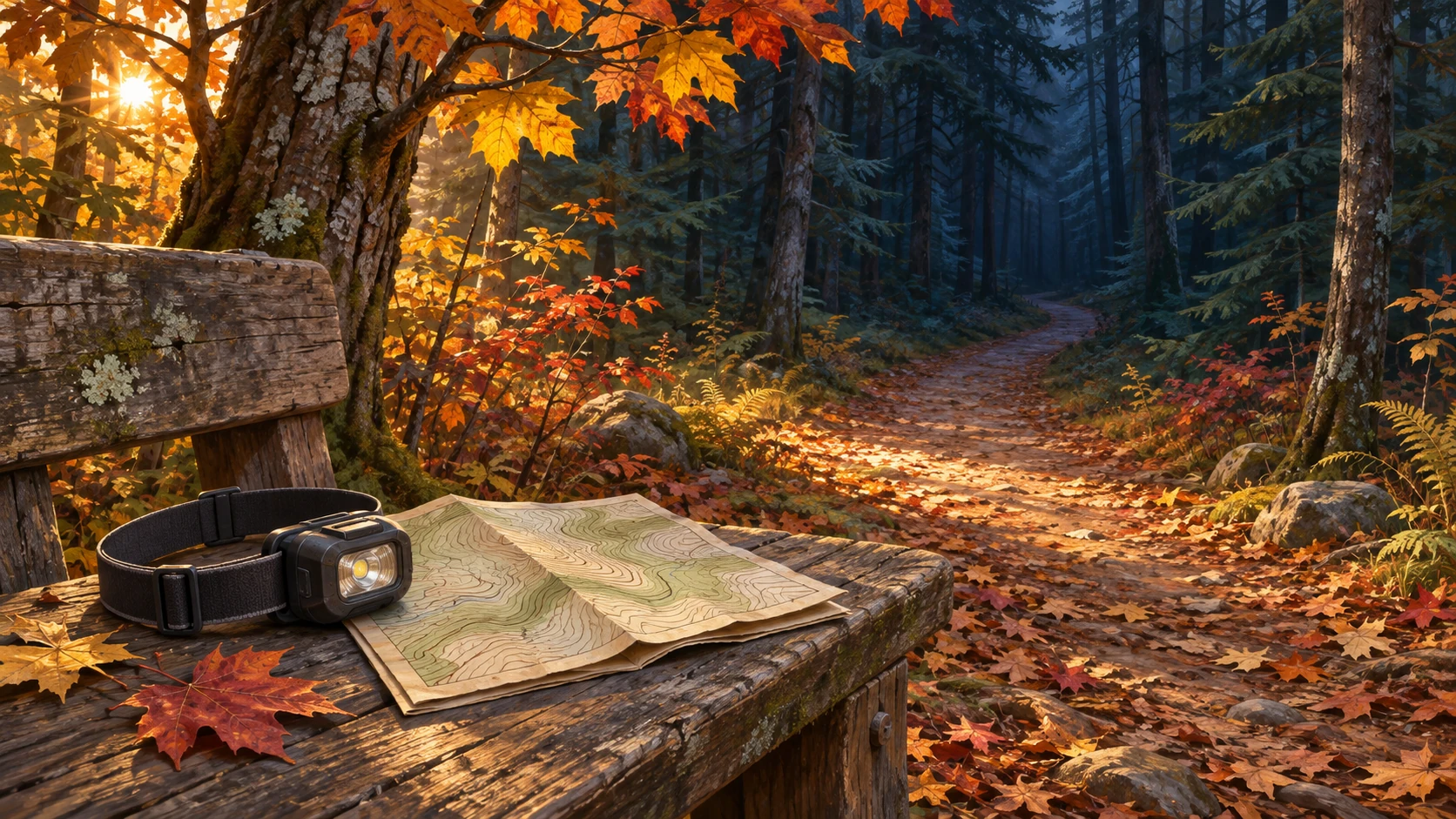
A short hike needs a plan for the way back as well as the view at the end. For an autumn outing, start by choosing a route your whole group can manage and a turnaround time that leaves room for the return. Distance alone cannot tell you how the day will unfold.
The National Park Service’s hiking guidance recommends checking park alerts and weather before leaving, asking rangers about conditions and having an alternative when the original plan no longer fits. A familiar route can still be affected by closures or hazards. Choose the trail for the people actually going, including the least experienced member of the group.
Primary sourceNational Park Service: “Hike Smart”Packing also starts with the possibility that a day will run differently from the plan. The Park Service’s Ten Essentials includes navigation, extra clothing, lighting, first aid, food, water and emergency shelter, alongside other tools. The list is a baseline to adapt to the route and conditions, not a complete equipment prescription for every terrain.
For navigation, download the map before setting out and carry a physical backup you know how to use. Add battery power for a phone and a separate headlamp or flashlight with spare batteries. Extra layers should match the most severe conditions reasonably expected, and water planning should account for whether any supply along the route will need treatment.
A plan also needs a recipient. The NPS trip-plan guidance says to leave an itinerary, activity details and expected return time with a trusted person who is not coming along. Email or paper works. The plan belongs with that contact; the park does not accept it as a document to hold for you.
Tell the contact if you switch to a backup plan, and check in when the activity is finished. If you do not return as expected, the guidance tells that person to try reaching you and then contact authorities if there is no response. Writing down the plan gives that conversation something concrete to work from, even for an outing intended to last only part of a day.
End of story