


Appeals court rules 2022 House proxy voting unconstitutional in spending-bill dispute
The divided Fifth Circuit ruling concerns a specific challenge to the Pregnant Workers Fairness Act and does not automatically invalidate every law passed in 2022.
How this story was made
This story was written with AI assistance from law.justia.com’s source documents. Its figures and quotations were checked against their sources, and Digitalage Desk reviewed and approved it before publication. It is published under the name of Peter Michaels, Editor.
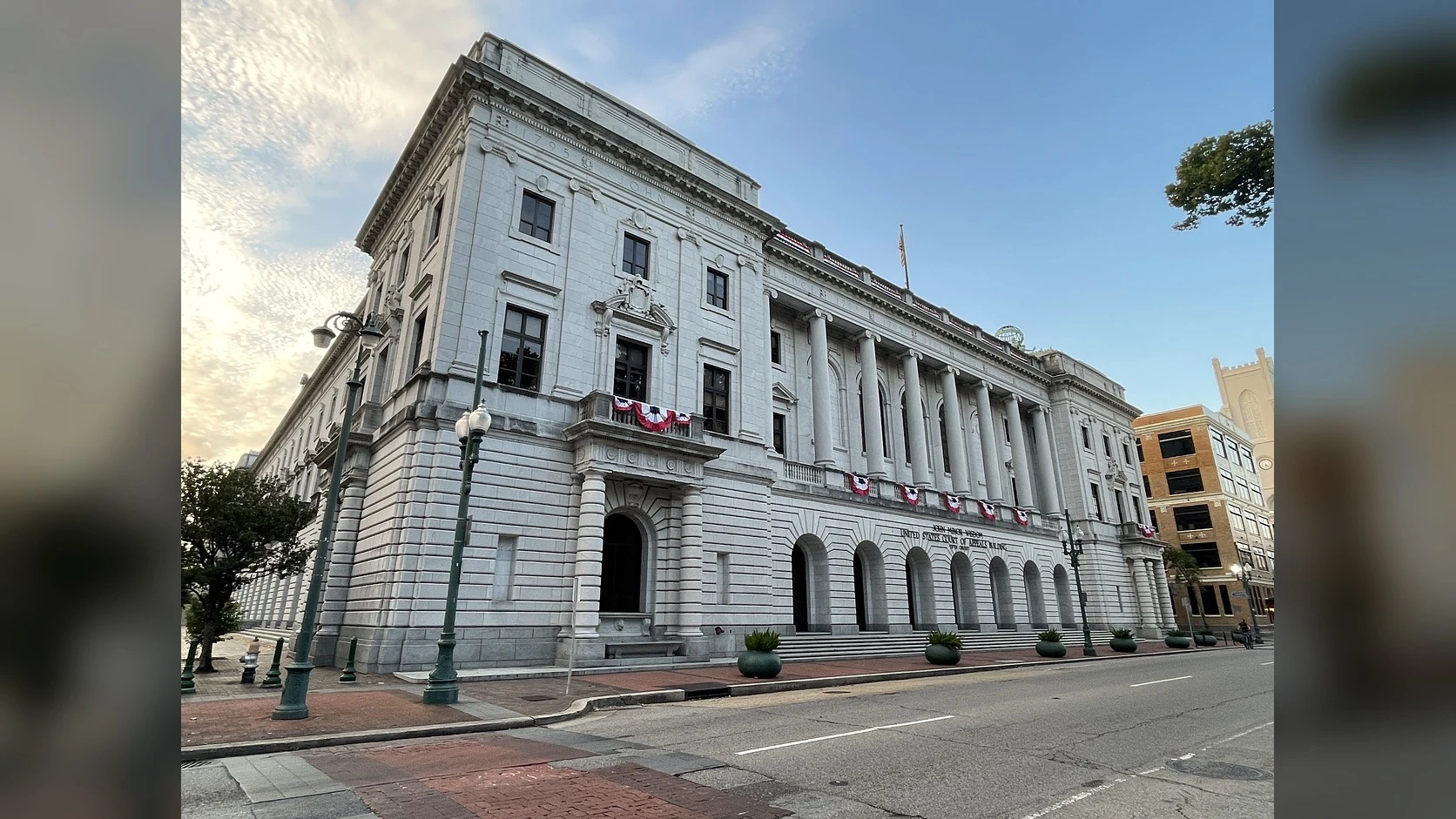
A divided federal appeals court ruled November 20 that the U.S. House violated the Constitution when it used pandemic-era proxy voting to pass a major spending bill in 2022, reviving questions about how Congress may conduct votes when members are absent.
The U.S. Court of Appeals for the Fifth Circuit voted 9 to 8 to uphold an injunction obtained by Texas Attorney General Ken Paxton against enforcement of a provision included in the spending package, according to Reuters reporting.
The challenged provision is the Pregnant Workers Fairness Act, which established workplace protections for pregnant employees. The decision arises from litigation over that law rather than a general order striking down every part of the approximately $1.7 trillion spending measure.
Why a sweeping constitutional holding produced narrow relief
The Fifth Circuit’s November 20 en banc opinion concluded that absent House members could not count toward a constitutional quorum merely by assigning their proxies. The judges also addressed the government’s argument that an authenticated, enrolled act should not be questioned on this basis. The divided court rejected that defense in this dispute.
But the remedy is much narrower than the constitutional reasoning. The appeals court affirmed an injunction against enforcement of the Pregnant Workers Fairness Act **only against Texas as an employer**. It did not invalidate the entire 2022 appropriations package, order every federal agency to stop applying the law or remove workplace protections nationwide.
Primary sourcelaw.justia.com: “law.justia.com: 24 10386 2026 11 20”How proxy voting became an issue
The House adopted a proxy-voting procedure in 2020 during the COVID-19 pandemic. It allowed members to designate another lawmaker to cast a vote on their behalf under the chamber’s emergency rules.
Supporters regarded the system as a way to keep Congress functioning during a public-health crisis. Opponents argued that the Constitution’s quorum and voting requirements demanded in-person participation.
The procedure was later discontinued when Republicans took control of the House in 2023. The legal question about votes cast under the earlier system remained contested.
What the ruling does and does not mean
The Fifth Circuit upheld an injunction barring the Justice Department and the Equal Employment Opportunity Commission from enforcing the Pregnant Workers Fairness Act against Texas as an employer. The broader effect on other statutes, and whether higher courts will review the constitutional interpretation, requires separate legal analysis.
The narrow 9-to-8 split also shows that the court was divided. A dissenting view does not reverse the judgment, but it is relevant to understanding why the constitutional issue remains contentious.
The next developments to watch include possible Supreme Court review and any clarification about the injunction’s reach. The decision is a major constitutional ruling, but its practical effects should not be overstated.
End of story