


A warmer November lowers the gas forecast, but home bills follow their own timetable
EIA cut its winter wholesale-price outlook; household charges still reflect utility purchasing, delivery costs and how much energy a home uses.
How this story was made
This story was written with AI assistance from U.S. Energy Information Administration’s source documents. Its figures and quotations were checked against their sources, and Digitalage Desk reviewed and approved it before publication. It is published under the name of Peter Michaels, Editor.
Not investment advice.
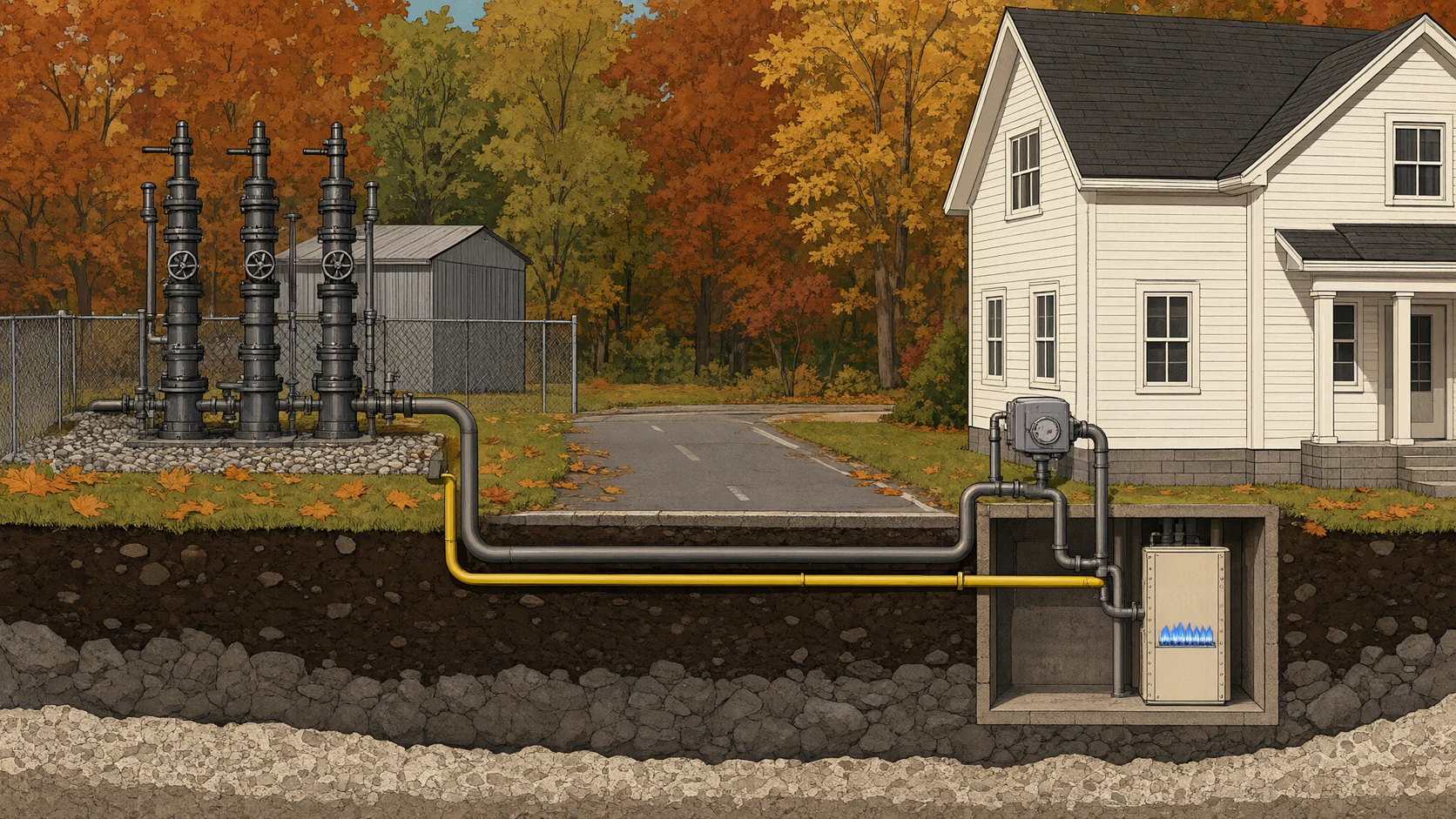
A warmer start to November has lowered the federal forecast for U.S. natural gas prices, but the change is not an automatic discount on a household heating bill. The Energy Information Administration’s November 10 outlook puts the Henry Hub spot price at an average $2.87 per million British thermal units from November through March.
That is 16% below the agency’s previous forecast for the same winter period, rather than a 16% decline from last year. In its accompanying release, EIA said expected gas storage at the end of November was almost 70 billion cubic feet above its October forecast, as mild weather reduced heating demand.
Primary sourceU.S. Energy Information Administration: “Short-Term Energy Outlook - U.S. Energy Information Administration (EIA)”Timing matters as well. Utilities often buy gas months ahead to secure supplies and limit exposure to abrupt price changes. State regulatory processes also govern how purchase costs pass through to customers. A bill arriving now can therefore reflect earlier purchasing and approved adjustments, even when a market forecast has moved lower.
For a household, the useful comparison includes both the rate and the amount of energy used. A lower unit price cannot, by itself, establish a lower total bill. Look at the usage and charge categories on the statement before applying a national market headline to the family budget.
The Department of Energy’s home checklist, updated November 12, recommends collecting electricity and fuel bills separately and identifying the largest energy uses. Its everyday measures include maintaining heating equipment, cleaning or replacing filters, opening south-facing curtains in daylight and closing them at night.
For homes with persistent drafts or high consumption, DOE also points to an energy audit, with the utility or state energy office as places to ask about one. That can help focus work on the home’s actual losses before committing to a major equipment replacement.
What’s next
The next EIA outlook is scheduled for December 8. November’s forecast used inputs finalized November 5, so later weather and market changes can move the estimate again. For now, use the forecast as context and the household bill as the record of actual charges.
End of story