


Nutritics buys Parsley to connect kitchen operations with menu data
The acquisition connects kitchen purchasing and inventory with food information, as California requires disclosures at covered chains.
How this story was made
This story was written with AI assistance from GlobeNewswire’s wire release. Its figures and quotations were checked against their sources, and Digitalage Desk reviewed and approved it before publication. It is published under the name of Peter Michaels, Editor.
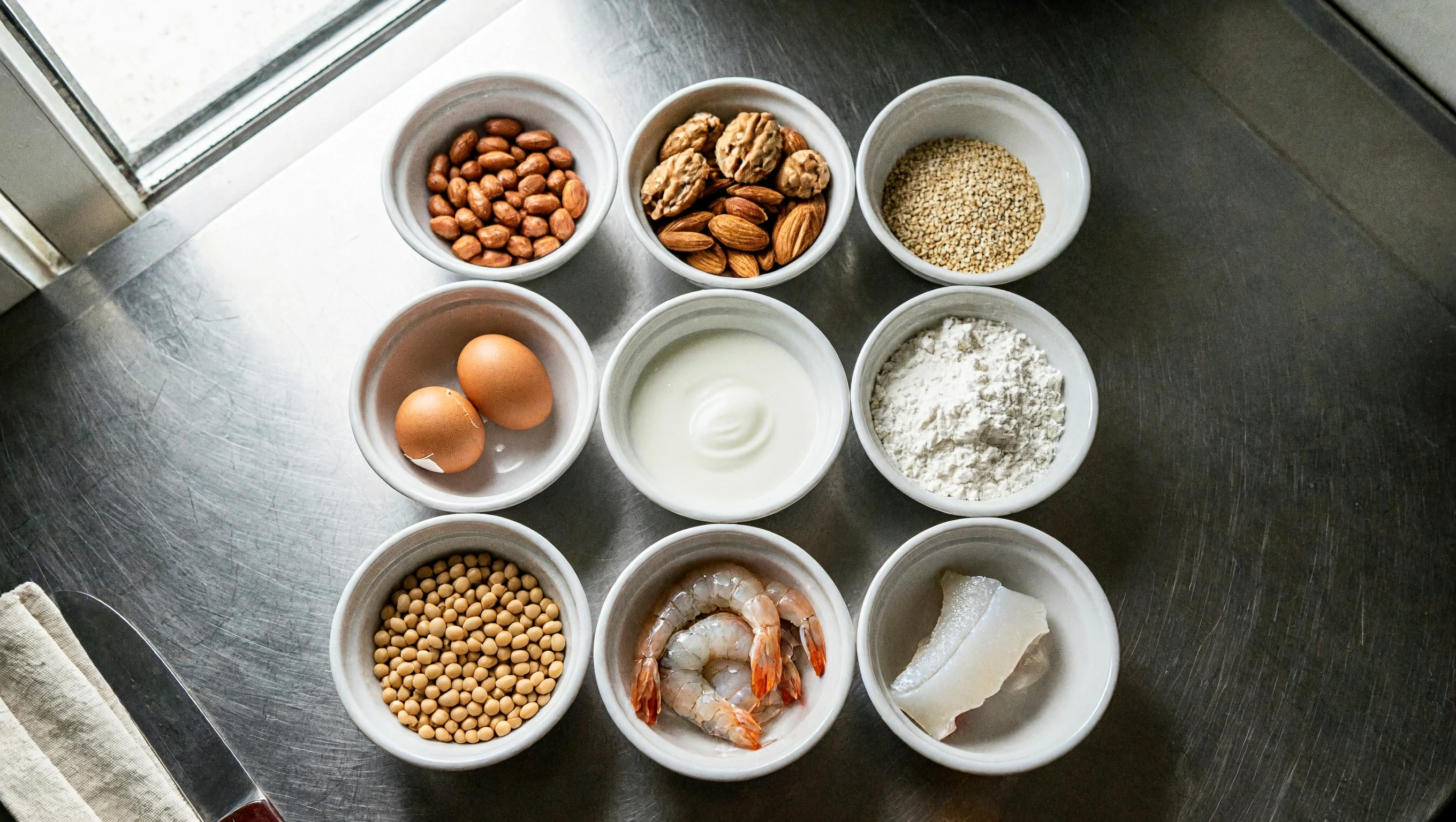
Food-data company Nutritics has acquired U.S. kitchen-management platform Parsley Software, bringing restaurant purchasing and inventory tools into a business that already manages recipes, nutrition and allergen information.
The deal announced Monday is Dublin-based Nutritics’ first U.S. acquisition. Parsley founder Hava Volterra and her team are joining the company. The announcement does not disclose a purchase price.
Nutritics says the combination will connect ingredient ordering, production planning and stock management with the information operators publish on menus. Parsley serves more than 250 customers, according to the announcement, including catering businesses, restaurant groups and institutional dining operations.
Primary sourceGlobeNewswire: “deal announced Monday”California already requires written allergen information at covered restaurant chains. The state health department’s guidance on SB 68 says the requirement began July 1 and applies to establishments covered by federal menu-labeling rules, generally chains with at least 20 locations operating under the same name.
The disclosures concern major allergens that a business knows, or reasonably should know, are ingredients in a menu item. The requirement covers nine major allergens, including sesame.
Businesses can provide that information directly on a menu or digitally, including through a QR code, with an alternative way for customers to access it. The rules contain exemptions, including for some temporary menu items and nonpermanent food facilities.
At covered establishments, that information should be available while customers choose an order.
Accurate ingredient records are only one part of food safety. The FDA defines allergen cross-contact as an allergen unintentionally getting into food. Its research on food-contact surfaces found that cleaning methods and surface materials affected allergen removal and transfer. In the study, a full wash, rinse, sanitize and air-dry procedure was effective at removing allergens and limiting transfer, underscoring the importance of the work happening behind a digital menu.
A menu system therefore cannot establish by itself that a meal has avoided cross-contact in the kitchen.
End of story