

EU adds nearly 50 Russian banks and financial firms to new sanctions
A 113-target package reaches oil buyers and e-commerce owners, alongside separate measures over cyberattacks and interference.
How this story was made
This story was written with AI assistance from Council of the European Union’s source documents. Its figures and quotations were checked against their sources, and Digitalage Desk reviewed and approved it before publication. It is published under the name of Peter Michaels, Editor.
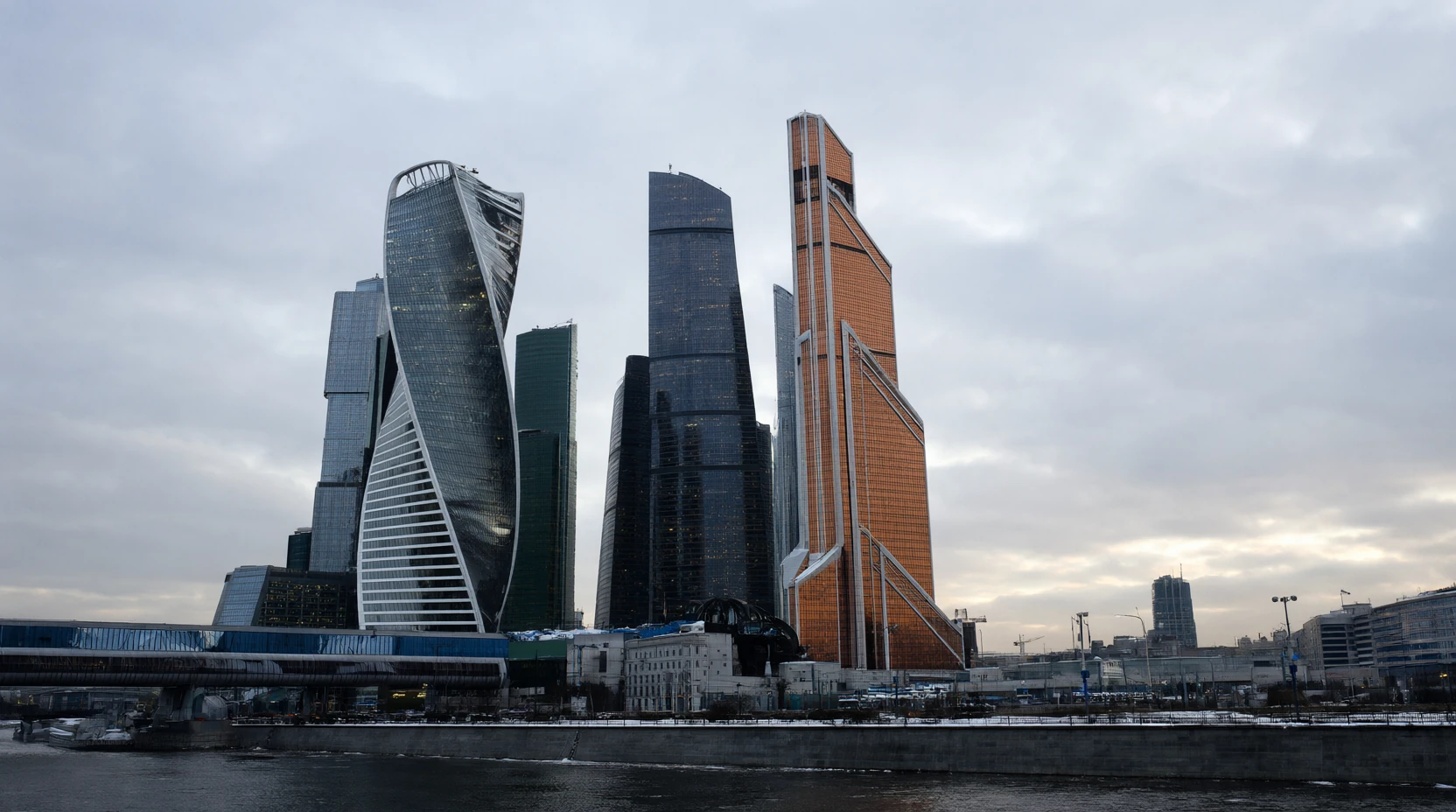
The European Union imposed sanctions on 113 people and entities on Monday, including nearly 50 Russian banks and financial institutions, in a further attempt to restrict revenue supporting Russia’s war in Ukraine.
The Council of the EU’s announcement identifies 12 individuals and 101 entities. The measures also reach businesses in Russia’s oil sector and companies outside Russia that buy Russian crude-oil products.
Those buyers are based in the United Arab Emirates, China, Seychelles and Oman. The Council also targeted businesspeople linked to vessels it says transport Russian oil in breach of restrictions and engage in risky shipping practices.
The package extends into online retail through the sole shareholder of Wildberries and an individual controlling a majority stake in Ozon. The energy businesses listed include operators of Russian refineries and the St. Petersburg oil terminal.
For the targets, EU asset-freeze rules prevent access to assets held in the bloc and prohibit EU persons and entities from making funds available to them. Listed individuals also face restrictions on entering or transiting EU territory.
Primary sourceCouncil of the European Union: “Council of the EU’s announcement”Monday’s financing measures were accompanied by a separate set of sanctions on 30 individuals and two entities over Russian information operations and malicious cyber activity.
That action includes the Moscow-based Social Design Agency and 24 people working for it. The Council accused the agency of running state-directed campaigns against European institutions and public support for Ukraine, including operations connected to the 2024 European Parliament elections.
The pro-Russian hacking group NoName057(16) was also listed. The Council said it had targeted government, infrastructure and private-sector websites, including energy, finance, transport and water services, with attacks designed to overwhelm online systems.
End of story