


Battery maker Our Next Energy seeks a listing after its EV retreat
A proposed merger with Wen Acquisition would take the Michigan company public as it focuses on rail, defense and grid batteries, with funding still conditional.
How this story was made
This story was written with AI assistance from U.S. Securities and Exchange Commission’s SEC filing. Its figures and quotations were checked against their sources, and Digitalage Desk reviewed and approved it before publication. It is published under the name of Peter Michaels, Editor.
Not investment advice.
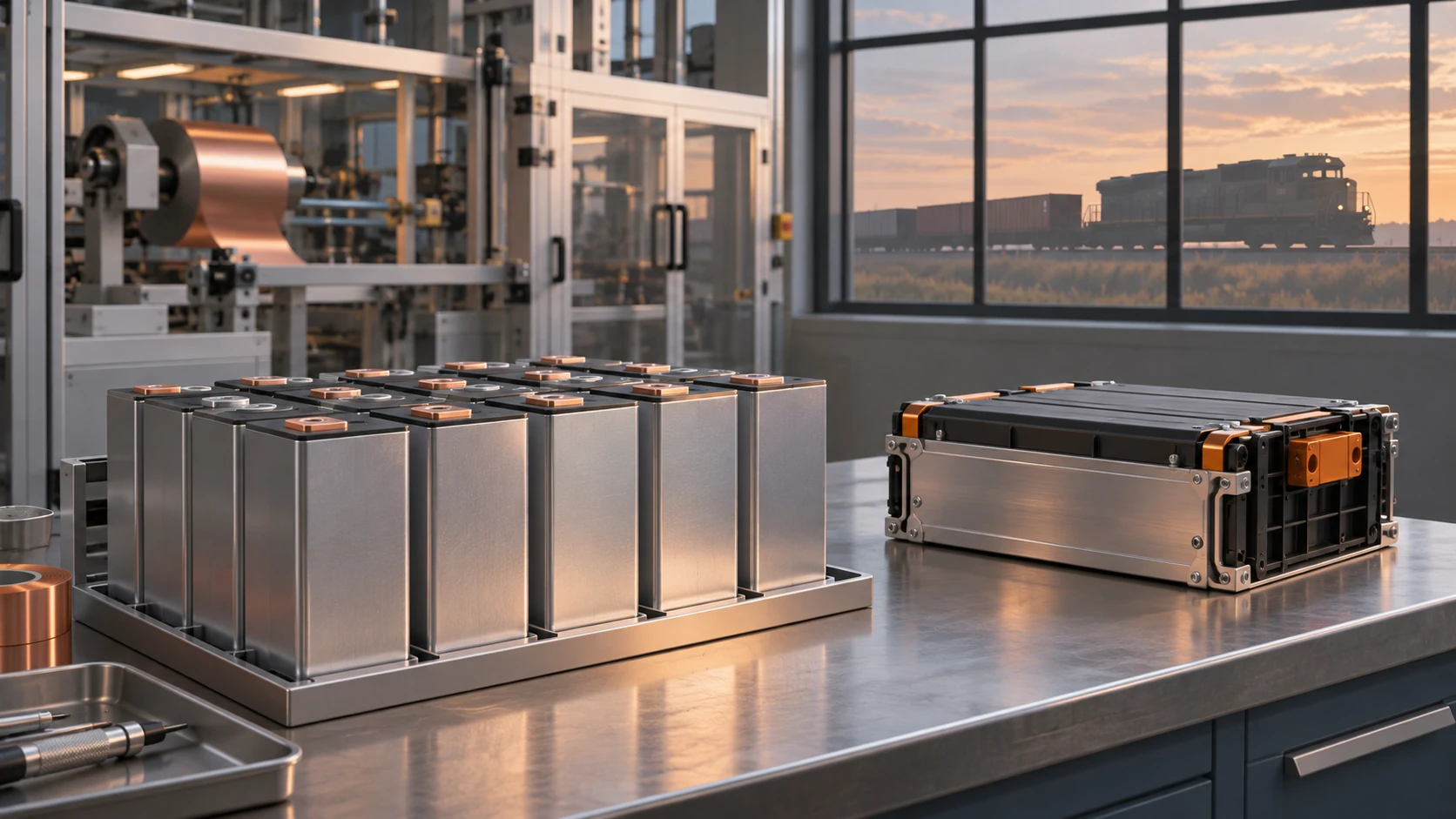
Our Next Energy is seeking a public listing after redirecting its battery business away from passenger electric vehicles. The Michigan company announced a proposed merger with Wen Acquisition on November 16, putting its rail, defense and grid-storage strategy before public-market investors.
The agreement was signed on November 15, according to Wen’s securities filing. Both boards have approved it, but shareholder votes and other closing conditions remain. The companies expect completion in the first half of 2027.
The joint announcement describes a funding plan of up to $400 million in gross proceeds. That consists of $300 million in Wen’s trust account, assuming investors do not redeem their shares, plus a planned $100 million private investment alongside the merger.
The financing is not all secured. Although the release describes $30 million as committed, its footnote identifies $20 million already funded in October through an agreement for future equity and $10 million covered by a nonbinding letter of intent. The remaining private financing and final proceeds depend on what is completed.
Wen is a special-purpose acquisition company, a listed vehicle created to combine with an operating business. If this transaction closes, the combined company expects to trade on Nasdaq under the symbol ONEE.
The proposed listing follows a significant reset. In its January 7 strategy announcement, Our Next Energy said it had suspended its automotive electrification efforts and reduced its workforce by approximately 45%.
The company instead concentrated on batteries for rail, defense and utility-scale storage. It described retooling its Michigan operations: cell manufacturing in Van Buren Township and battery-pack production in Novi, including products intended for locomotives.
Primary sourceU.S. Securities and Exchange Commission: “Wen’s securities filing”The partners plan to file a registration statement containing the merger’s proxy materials. Shareholder approval, financing and the closing conditions will determine whether the proposed public platform becomes available to fund the next stage of the business.
End of story